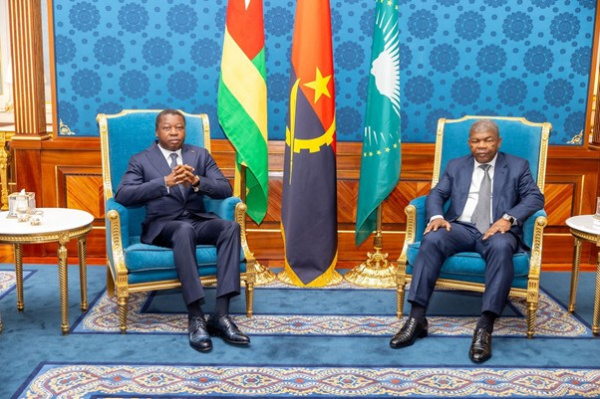
The 3rd Luanda Summit on infrastructure financing in Africa opened this Tuesday, October 28, 2025, in Angola’s capital. The event brought together several African leaders, including the President of Togo, Faure Gnassingbé, who joined others to deliberate on strategies for building a stronger and more connected continent.
Jointly organized by the African Union Commission and the African Union Development Agency (AUDA-NEPAD), the summit focuses on the theme “Capital, Corridors, Trade: Investing in Infrastructure for the AfCFTA and Shared Prosperity.” The gathering highlights the critical role of infrastructure in unlocking Africa’s economic potential and strengthening intra-African trade.
At the summit’s opening, leaders reaffirmed their commitment to creating an integrated Africa powered by efficient transport, energy, and digital networks. They emphasized that without strong infrastructure, the African Continental Free Trade Area (AfCFTA) cannot achieve its full potential. According to organizers, the summit aims to move from dialogue to action, ensuring that every investment translates into progress on the ground.
President Faure Gnassingbé underscored the importance of collective responsibility in driving infrastructure growth. He noted that regional cooperation remains the foundation of sustainable development. He explained that Africa’s growth depends not only on national efforts but also on shared ambition and coordinated planning. His message echoed the growing belief that connectivity is the bridge to prosperity.
Furthermore, discussions focused on how to attract more private capital and strengthen public-private partnerships. Participants agreed that financing remains a major barrier, but innovation and collaboration can turn that challenge into opportunity. By aligning financial instruments with development priorities, Africa can accelerate construction of highways, ports, railways, and energy corridors.
The summit also addressed the need for policies that promote accountability and long-term value creation. Leaders called for stronger governance systems to ensure that infrastructure projects deliver real impact for citizens. Transparency, efficiency, and inclusivity, they said, must define Africa’s new infrastructure roadmap.
In addition, AUDA-NEPAD representatives stressed the importance of regional corridors in promoting trade under the AfCFTA. They explained that connecting African economies will reduce logistics costs, increase competitiveness, and create millions of jobs. They also noted that improved transport and digital systems will help small businesses access wider markets.
As conversations deepened, delegates explored the role of technology and green financing in shaping Africa’s future. They highlighted that sustainable infrastructure must also respect environmental and social standards. By integrating renewable energy, smart mobility, and digital solutions, Africa can achieve growth that is both inclusive and resilient.
President Gnassingbé and other African leaders reaffirmed their readiness to champion partnerships that empower people and strengthen unity. They agreed that the continent’s future lies in shared progress built on innovation, courage, and trust.
Ultimately, the 3rd Luanda Summit on infrastructure financing in Africa represents more than an event. It symbolizes a shared determination to connect African nations through vision, strategy, and action. As leaders return to their countries, they carry a renewed commitment to transform plans into projects and ambition into tangible results. The road ahead may be challenging, yet the spirit of cooperation lighting Africa’s path remains unshakable.