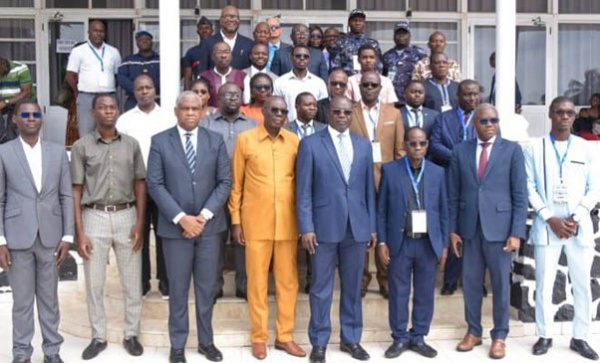
In Lomé, collaboration took center stage last week as the General Directorate of Insurance hosted a two-day seminar to strengthen the compensation process for traffic accident victims. The gathering brought together medical and automotive experts committed to improving efficiency, transparency, and fairness in how accident claims are handled across Togo.
The event, themed “The Contribution of Experts in the Compensation Process,” aimed to harmonize practices and reduce settlement delays that often frustrate victims and insurers alike. It provided a unique platform for open dialogue among key stakeholders, allowing participants to exchange experiences, identify bottlenecks, and propose unified standards for future operations.
According to Assignon Koffi, Director of Insurance, many delays in claims processing arise from differing opinions between companies, experts, and victims. These disagreements, he explained, frequently complicate investigations and slow down settlements. Therefore, fostering stronger collaboration and clearer communication among all parties is essential for ensuring that compensation is both timely and equitable.
Furthermore, Koffi emphasized that effective compensation systems depend on professionalism, mutual trust, and consistent application of procedures. By aligning expert practices, the Directorate hopes to build public confidence in the insurance sector and reinforce the role of insurance as a reliable safety net for citizens.
Throughout the seminar, participants discussed several practical measures to accelerate claim resolutions. They explored ways to improve documentation, standardize technical evaluations, and strengthen coordination between medical and automotive experts. In addition, they examined how digital tools could enhance data sharing and ensure greater transparency in assessing accident-related damages.
Beyond technical discussions, the event also underscored the human dimension of compensation. Each delay in processing, speakers noted, represents a person waiting for relief—whether to pay medical bills, repair a vehicle, or rebuild their livelihood. For that reason, the reform of compensation systems is not just an administrative goal but a social responsibility.
Moreover, the seminar highlighted Togo’s broader efforts to modernize its insurance framework. By investing in capacity building and aligning procedures with international standards, the Directorate aims to position Togo as a model of efficiency and accountability in West Africa’s insurance landscape. This effort also supports the government’s long-term vision of improving road safety and promoting inclusive economic resilience.
At the close of the seminar, participants reaffirmed their commitment to continued collaboration. They agreed to develop clear operational guidelines and establish a joint monitoring mechanism to ensure that the reforms achieve measurable results.
With initiatives like this, Togo continues to demonstrate that partnership and professionalism can transform public services. By bringing experts together to refine systems and solve shared challenges, the nation is paving the way for a fairer and more responsive insurance sector—one that truly protects its people when they need it most.