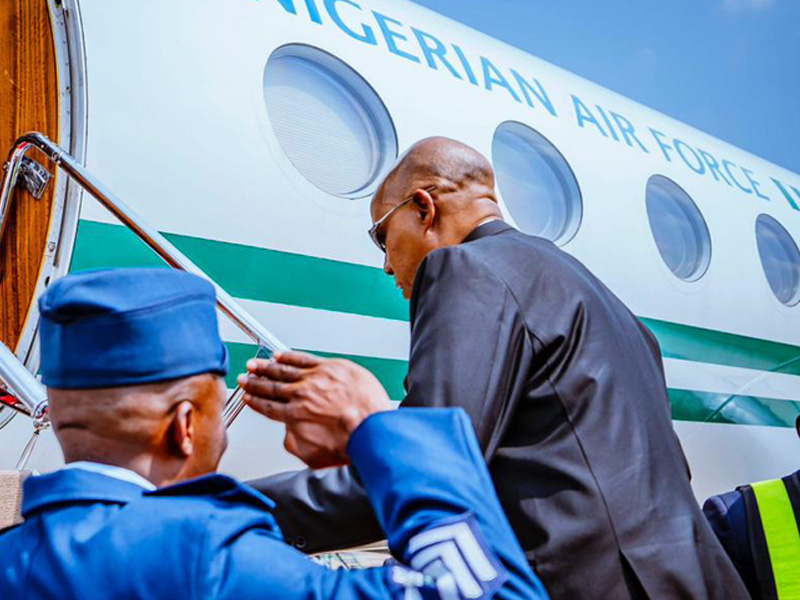
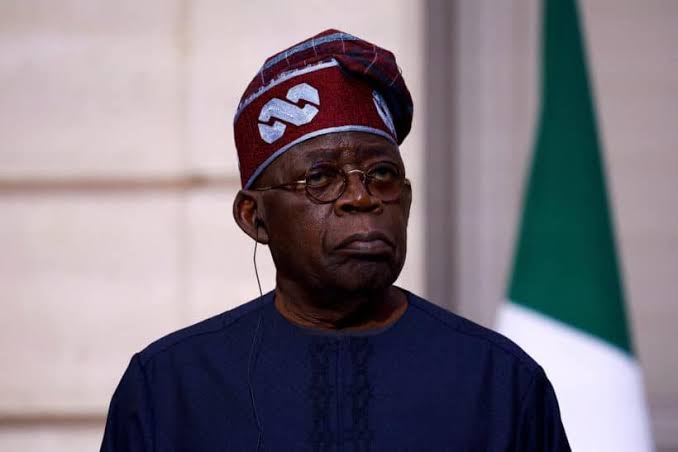
The recent article titled “Tinubu Lost the Nation’s Faith” by Nnaoke Ufere, PhD, may sound refined, yet its argument leans heavily on emotion instead of reason. Behind the elegant phrasing lies a pattern of selective outrage, shaped more to stir anger than to deepen understanding. However, Nigeria’s story cannot be reduced to one year of governance or a single administration.
Nigeria’s economic troubles did not begin in May 2023. They grew over decades of corruption, mismanagement, and missed opportunities. Every government has battled subsidy fraud, oil theft, and policy instability. By the time President Bola Tinubu took office, the economy was already strained. Debt servicing consumed most government revenue. The naira weakened after years of artificial control. Subsidy scams drained billions. These issues demanded urgent correction, not rhetorical attacks.
To move forward, Nigeria needed reform. President Tinubu chose to act rather than delay. The fuel subsidy removal, the exchange rate unification, and the drive for fiscal discipline were bold decisions. They caused temporary pain but opened the path for long-term stability. Each policy aimed to rebuild a foundation for inclusive growth and renewed investor trust. Change, though tough, remains the only route to recovery.
Many critics ignore this context. They judge within months what decades of poor governance destroyed. Yet, progress takes time. Investors are returning. Trade partnerships are expanding. Technology and industrial projects are advancing through cooperation between federal and state governments. These results may not fill every pocket today, but they signal a nation rebuilding its economic soul.
Across the world, serious analysts recognize Nigeria’s resilience. International partners, from global lenders to regional allies, now view the country as a reform-minded economy. They praise its courage to confront long-avoided issues. Transparency is improving. Fiscal reforms are widening government revenue. Infrastructure investments are creating new opportunities for jobs and growth.
Still, constructive criticism matters. It keeps leaders accountable and policies grounded. Yet, criticism must be fair, not cynical. It should challenge power, not destroy hope. When public debate turns bitter, citizens lose faith in their collective ability to build. Nigeria needs more builders than blamers. It needs thinkers who inspire action, not writers who nurture despair.
The road ahead is demanding but promising. The government continues to push reforms, attract investment, and empower small businesses. Every tough choice aims to build a Nigeria that stands strong in Africa and competes globally. However, this progress requires patience, unity, and consistency.
Nigeria’s story is not one of failure but of endurance. Its people rise, rebuild, and redefine their nation repeatedly. That spirit, not selective outrage, will shape the country’s next chapter. Leadership demands courage. Citizenship demands perspective. Together, both can turn today’s challenges into tomorrow’s triumphs.