
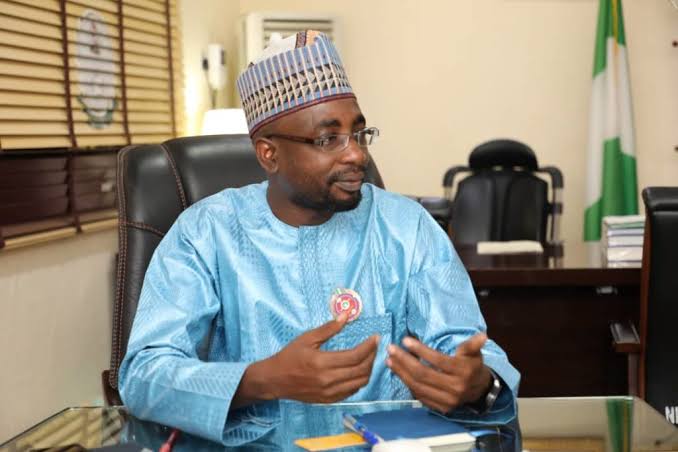
The Director-General of the National Information Technology Development Agency (NITDA), Kashifu Inuwa Abdullahi, has urged West African nations to strengthen cooperation in building shared digital infrastructure and governance systems. He emphasized that deeper collaboration will not only enhance economic integration but also promote digital self-determination across the region.
Abdullahi delivered this message on Monday during his keynote address at the Second West African Digital Governance Forum (WADGov) in Abuja. The high-level gathering brought together representatives from 15 ECOWAS member states, including Benin, Ghana, Côte d’Ivoire, Senegal, and Nigeria, to chart a collective path toward regional digital transformation.
He noted that West Africa stands at a critical turning point. As global economies become increasingly digital, the region must act together to ensure its people benefit from technology’s full potential. According to him, building shared systems, harmonizing regulations, and investing in innovation will empower West African nations to take control of their digital future.
Furthermore, Abdullahi stressed that collaboration should extend beyond policies to practical solutions. He called for the creation of cross-border digital platforms, data-sharing frameworks, and interconnected infrastructure that support trade, education, and governance. He added that with the right synergy, ECOWAS countries can bridge technological gaps and accelerate inclusive growth.
He also highlighted Nigeria’s progress in digital governance, noting that the country continues to prioritize digital inclusion, cybersecurity, and innovation. Through NITDA’s strategic programs, Nigeria has built an ecosystem that supports startups, enhances skills, and strengthens data protection. He explained that these initiatives could serve as models for neighboring nations seeking to modernize their public institutions.
Moreover, Abdullahi emphasized the importance of digital sovereignty—the ability of African nations to control their data and technologies. He warned that without regional unity, external powers may continue to dominate Africa’s digital landscape. However, by pooling resources and aligning strategies, West Africa can secure its place in the global digital economy.
The WADGov Forum provided a platform for policymakers, experts, and development partners to exchange ideas on how to harmonize digital governance policies. Participants discussed issues such as artificial intelligence regulation, data interoperability, and inclusive access. They also explored how regional cooperation can reduce duplication, enhance efficiency, and promote shared prosperity.
In addition, Abdullahi called on member states to invest in digital education and capacity building. He explained that empowering young Africans with digital skills will unlock creativity, expand job opportunities, and reduce poverty. He affirmed that technology remains the strongest driver of economic diversification and regional stability.
By the end of the forum, participants reaffirmed their commitment to creating a digitally integrated West Africa. They agreed to work closely under ECOWAS frameworks to develop a regional strategy for digital governance and infrastructure sharing.
Indeed, Abdullahi’s message resonated deeply: the future of West Africa depends on unity, innovation, and shared progress. Through cooperation and bold leadership, the region can move from digital consumers to digital creators—charting its destiny in a rapidly changing world.