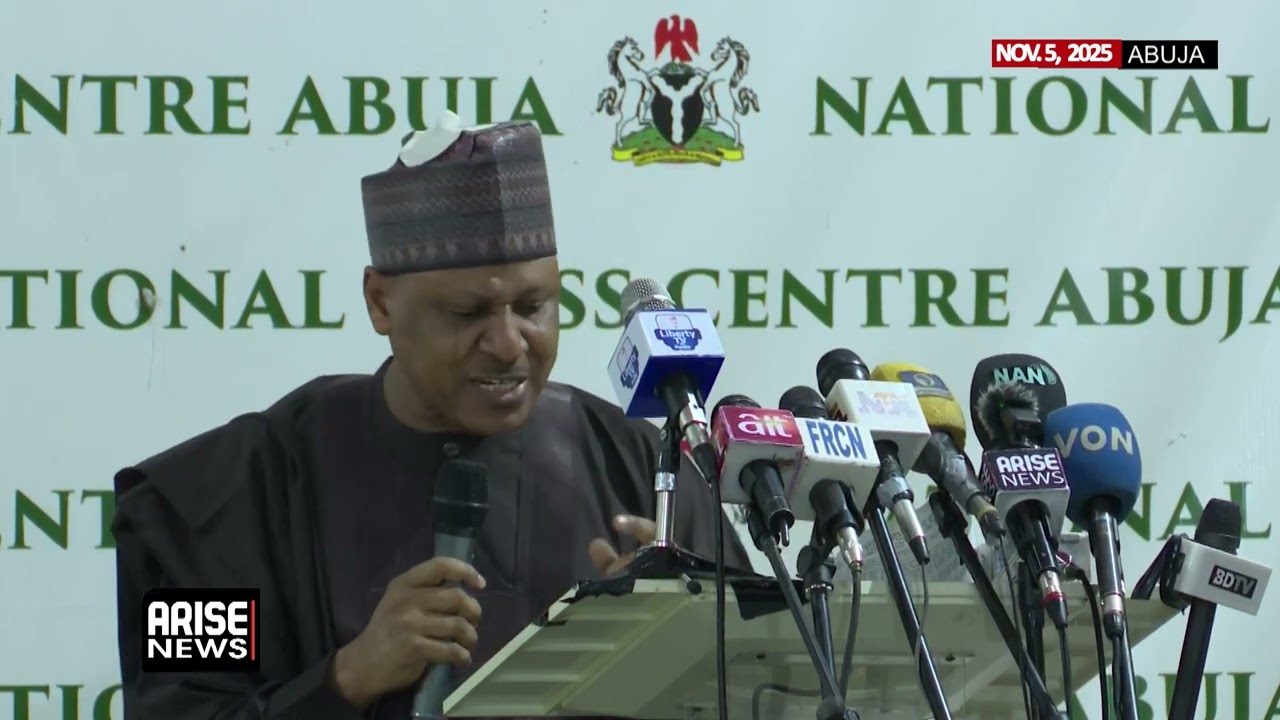
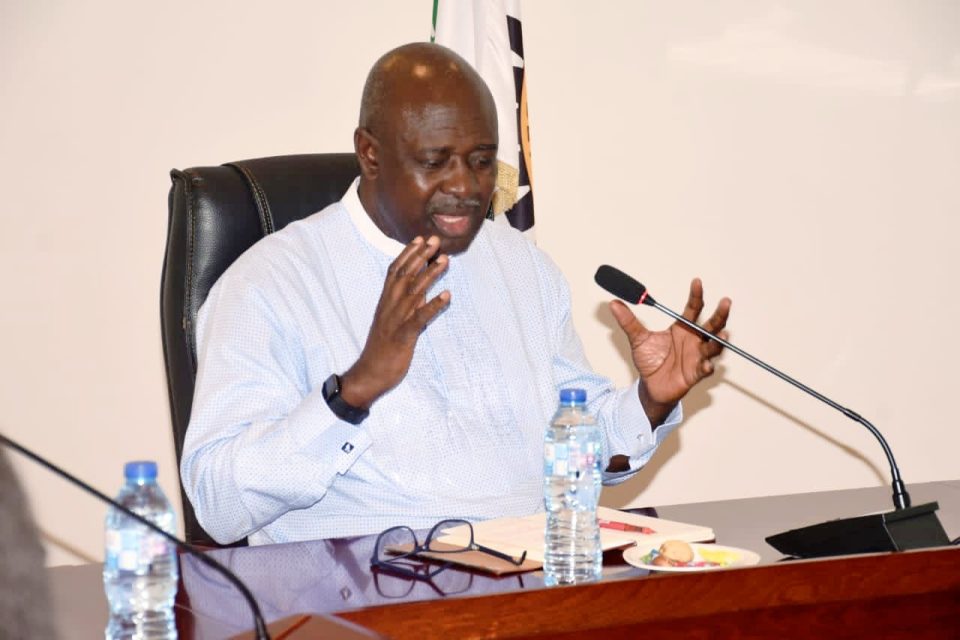
Nigeria’s top petroleum institutions — the Ministry of Petroleum Resources, the Nigerian Upstream Petroleum Regulatory Commission (NUPRC), and the Nigerian National Petroleum Company Limited (NNPCL) — have jointly rejected the proposed establishment of the National Commission for the Decommissioning of Oil and Gas Installations (NC-DOGI) 2024 Bill.
Speaking during a public hearing organized by the House of Representatives Committee on Petroleum Resources (Upstream), the agencies emphasized that the proposed body would duplicate existing regulatory functions and disrupt the nation’s upstream governance framework.
In a detailed statement released by Eniola Akinkuotu, Head of Corporate Communications and Media at NUPRC, the agencies argued that Nigeria’s current regulatory framework already provides robust mechanisms for decommissioning oil and gas installations. They maintained that the creation of another commission would only increase bureaucracy, waste public resources, and weaken institutional efficiency.
Furthermore, the representatives of the Ministry, NUPRC, and NNPCL stressed that effective governance depends on coordination, not fragmentation. They noted that the Petroleum Industry Act (PIA) already assigns clear responsibilities for asset decommissioning and environmental management to existing regulators. Hence, introducing a separate body would create overlapping roles, regulatory confusion, and legal conflicts.
The agencies also highlighted that NUPRC has been actively developing and enforcing comprehensive decommissioning guidelines aligned with global best practices. These frameworks, they explained, ensure that oil and gas companies carry out responsible site closures, environmental restoration, and safety procedures under close supervision.
Moreover, they emphasized the need to strengthen existing institutions rather than establish new ones. Consolidating expertise, resources, and oversight, they argued, would ensure faster implementation of reforms and better accountability in the sector.
In addition, the NNPCL delegation pointed out that the creation of a new commission might discourage investment in Nigeria’s oil and gas industry. Investors, they said, seek regulatory clarity and stability — not overlapping authorities or additional compliance layers.
The agencies reaffirmed their shared vision to promote operational transparency, safeguard the environment, and support Nigeria’s energy transition goals. They reiterated their readiness to collaborate with the National Assembly in refining existing laws to meet global environmental standards while protecting the nation’s economic interests.
By presenting a unified front, the Ministry of Petroleum Resources, NUPRC, and NNPCL demonstrated strong institutional alignment in defending Nigeria’s energy governance framework. Their position underscores a collective commitment to efficient regulation, fiscal responsibility, and sustainable resource management.
Through cooperation and coordinated oversight, Nigeria’s petroleum sector continues to pursue reforms that balance economic growth with environmental protection — ensuring a stronger, more competitive future for the nation’s energy industry.