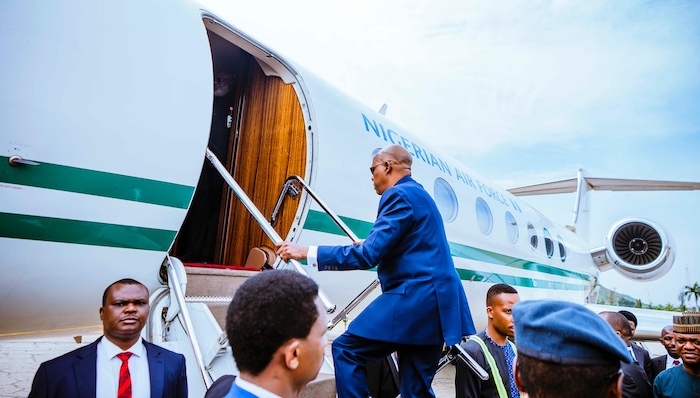
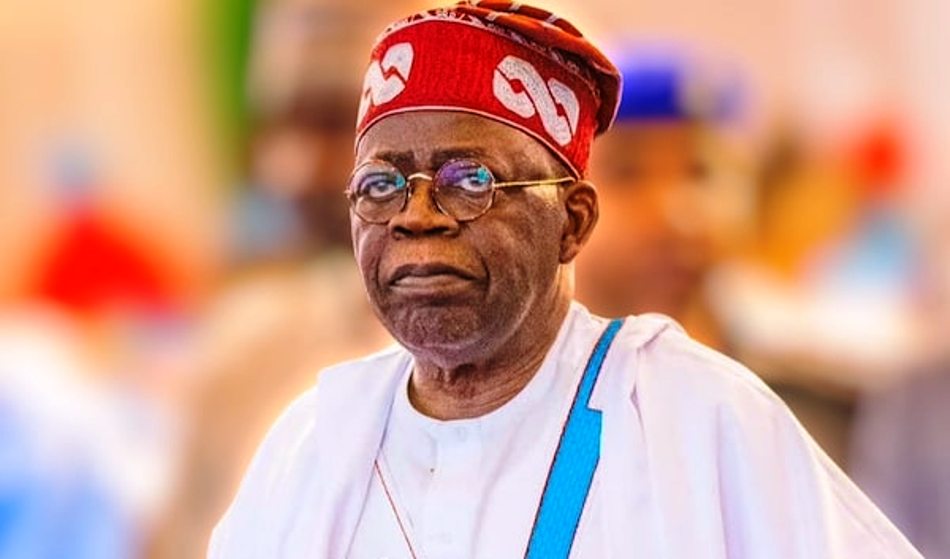
President Bola Ahmed Tinubu‘s continues to strengthen Nigeria’s security system as his administration responds to rising threats across several regions. However, the political opposition still faults him, calling his approach “superficial.” The Presidency rejects this claim and insists that the government is taking broader, deeper steps than critics acknowledge.
Over the last year, insecurity has worsened in many communities. Bandit attacks, kidnappings, and armed group activities have created fear among citizens. Tinubu’s team admits these problems are serious. Yet they also stress that the issues did not start with this administration. According to senior aides, the government inherited an overstretched security network, limited equipment, and long-standing structural weaknesses. These challenges, they argue, require thoughtful and sustained action.
To address them, Tinubu has launched several reforms. First, he increased funding for the military, police, and intelligence services. This investment supports new technology, better communication systems, and improved surveillance tools. In addition, the government fast-tracked recruitment in key agencies to boost manpower. These moves aim to create a stronger frontline presence in affected areas.
Furthermore, the administration now pushes for closer coordination among security agencies. In the past, overlapping roles slowed operations and created confusion. Tinubu seeks to change this by promoting unified command structures and clearer operational guidelines. Government officials say this shift allows teams to respond more quickly and reduces bureaucratic delays.
Transitioning to local-level cooperation, the government also engages state governors and community leaders more frequently. Tinubu encourages them to share intelligence, track suspicious activities, and support early-warning systems. This community-focused strategy increases trust and makes it easier to detect threats before they grow. Security analysts note that this kind of local collaboration has been inconsistent for years. However, they see gradual improvement under the new structure.
Beyond Nigeria’s borders, Tinubu is also strengthening regional partnerships. Criminal networks and terrorist groups often move across West Africa. For this reason, Nigeria has renewed cooperation with neighboring countries on joint patrols, intelligence sharing, and border security. Officials say these partnerships help block weapons smuggling and limit the movement of extremist groups. Although these steps require time to yield visible results, the government maintains that they form a crucial part of long-term stability.
Despite these efforts, the opposition continues to criticize the President. They claim the government has not moved quickly enough to protect vulnerable communities. They argue that Tinubu speaks often about reform but shows too little immediate impact. However, administration supporters counter that deeper reforms take time. They say the country cannot continue relying on short-term fixes that fail to address root causes.
Several security experts offer a mixed view. Some echo the opposition’s concerns and want faster relief for affected communities. Others believe President Tinubu’s method is more organized and deliberate than previous approaches. They point to improved coordination, increased funding, and renewed regional ties as signs of steady progress. While not all analysts agree on the pace, many acknowledge that the administration has laid a clearer long-term strategy.
Despite political pressure, the Presidency insists it will stay focused. Officials emphasize that national security must rise above partisan debate. They maintain that Tinubu remains committed to transparency, accountability, and regular communication with the public. They also highlight that defense and security reforms appear consistently in the President’s policy priorities and budget plans.
Overall, Nigeria continues to face complex security threats. Yet President Tinubu’s administration argues that it is building a stronger foundation for lasting change. Although opposition leaders dismiss the government’s actions as “superficial,” the Presidency believes the current reforms represent a serious attempt to stabilize the nation. Through improved coordination, increased investment, and wider regional cooperation, Tinubu aims to reshape Nigeria’s security landscape and move the country toward greater peace.