
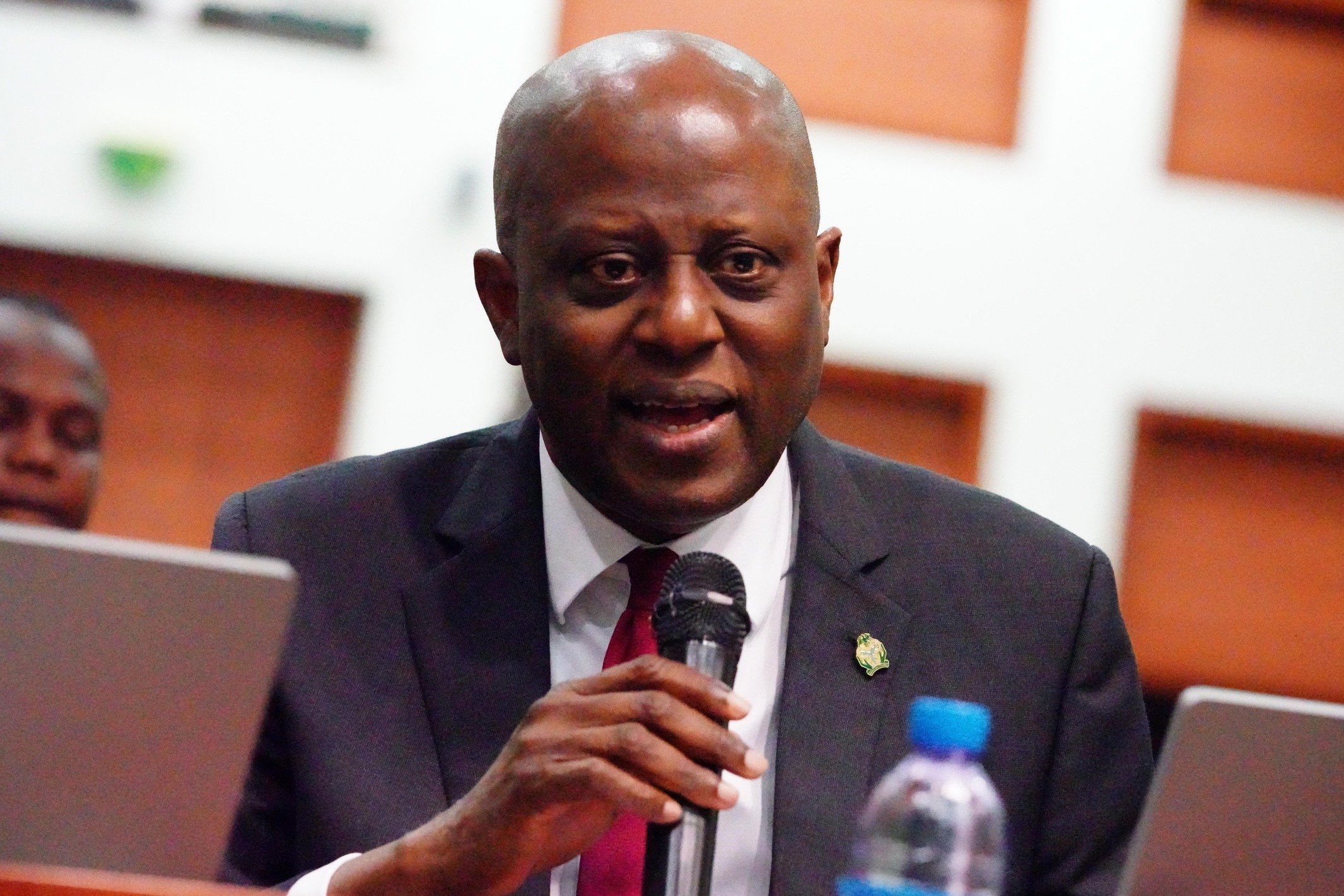
The Monetary Policy Committee of the Central Bank of Nigeria has retained the benchmark interest rate at 27 per cent, signalling a continued pause in monetary tightening as the economy adjusts to earlier policy reforms. This decision, announced by CBN Governor Olayemi Cardoso on Tuesday after the committee concluded its 303rd meeting in Abuja, reflects the bank’s cautious strategy to balance inflation control with sustainable growth.
Governor Cardoso explained that the committee carefully reviewed economic indicators, market responses, and global financial trends before reaching its decision. Inflation pressures remained significant, yet recent data showed early signs of moderation. Therefore, the MPC opted to maintain the current Monetary Policy Rate to strengthen stability, encourage market confidence, and allow previous interventions to take fuller effect.
Furthermore, Cardoso highlighted that the committee evaluated liquidity conditions, exchange rate dynamics, and lending patterns across key sectors. The pause in tightening aims to avoid excessive pressure on businesses and households already adapting to structural reforms. This approach, he said, offers room for productive sectors to regain momentum while still keeping inflationary risks in check.
In addition, the MPC reaffirmed its commitment to evidence-based decisions that protect Nigeria’s economic resilience. Members stressed that policy consistency would encourage investment flows, improve credit allocation, and support ongoing fiscal reforms. They also urged continued collaboration between monetary and fiscal authorities to strengthen long-term stability.
As global markets navigate uncertain conditions, Nigeria’s decision to hold the rate steady sends a message of discipline and clarity. The CBN believes that maintaining a 27 per cent benchmark provides the best pathway to stabilise prices, sustain reforms, and guide the economy toward a more predictable and productive 2025.
The next MPC meeting will reassess evolving data and determine whether further adjustments are necessary. For now, the committee remains focused on delivering a stable environment that supports growth, strengthens confidence, and advances Nigeria’s broader economic recovery.