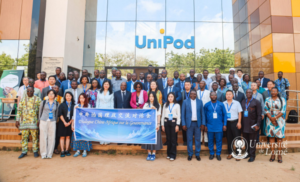
Green Climate Dialogue efforts gained new momentum in Togo as Aného welcomed senior representatives from fifteen West and Central African countries for a crucial technical review. The gathering, held on Tuesday, 25 November 2025, marked another major step toward improving regional access to global climate finance and strengthening ongoing environmental programmes.
The city of Aného, only forty kilometres from Lomé, created a calm yet focused setting for the high-level workshop. The Food and Agriculture Organization coordinated the event to help countries engage more effectively with vertical funds, including the Green Climate Fund and the Global Environment Facility. These funds remain essential for climate adaptation, food system resilience, energy transition, and land restoration across Africa.
The workshop opened with renewed urgency. Many countries now face rising climate-driven pressures that threaten agriculture, settlements, and livelihoods. Yet fresh opportunities continue to emerge, especially when nations build stronger technical and institutional capacities. Therefore, the Green Climate Dialogue in Aného aimed to create clear pathways that enable governments to prepare, implement, and monitor funded projects with greater precision.
Participants reviewed ongoing national programmes, identified improvement gaps, and shared lessons on project design. The discussions also highlighted the need for agile inter-agency coordination, because climate finance requires reliable data systems, transparent processes, and strong leadership. Furthermore, teams emphasised that communities must feel real improvements from every funded intervention.
Additionally, the session encouraged cross-border collaboration. Countries in the Sahel, Gulf of Guinea, Congo Basin, and Lake Chad region face different challenges, yet many share similar vulnerabilities. Consequently, the workshop promoted partnerships that enable nations to exchange solutions, harmonise policies, and accelerate climate-smart technology deployment.
FAO representatives stressed that Africa must increase its visibility within global climate conversations. Many African governments have strong ideas but lack the technical support required to meet complex funding requirements. However, this workshop created renewed confidence by guiding countries on proposal development, reporting systems, and long-term project sustainability.
Moreover, delegates examined strategies for unlocking more private-sector involvement. Africa needs a blend of public investment and responsible private capital to meet its adaptation and mitigation targets. Therefore, the workshop encouraged governments to design programmes that attract investors while protecting vulnerable communities.
Energy transition also featured strongly. Several countries presented new initiatives focused on renewable energy, carbon-smart agriculture, and community-based climate resilience. These programmes showcased Africa’s rising commitment to innovation and inclusive green growth.
As the discussions progressed, participants noted impressive progress already achieved through previous GCF and GEF investments. Many nations now run early warning systems, soil restoration plans, improved irrigation schemes, and sustainable forestry programmes because of earlier funding support. Yet leaders agreed that greater scale, stronger project execution, and faster approval processes remain essential.
The Aného gathering closed with renewed optimism. Countries left with clearer tools, sharper frameworks, and stronger regional solidarity. Together, they signalled a shared commitment to turning climate finance into tangible progress for millions across West and Central Africa.
Africa now stands at a decisive moment. With effective partnerships, smarter systems, and unwavering purpose, the region can transform climate challenges into catalysts for growth, stability, and long-term sustainability.