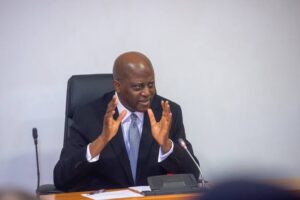

The Nigeria Police Force has launched a wider search for activist Kennedy Iyere after the Inspector-General of Police, Kayode Egbetokun, ordered his immediate arrest. The directive followed several petitions that accused Iyere of criminal breach of trust, obtaining by false pretence, cheating, and impersonation. Because the petitions came from different states, the case quickly gained national attention.
Moreover, senior police officers confirmed that the complaints came from individuals and groups who claimed financial losses. They also noted that the transactions involved various projects and commitments linked to Iyere’s activism. Therefore, investigators increased their efforts and invited financial experts to analyse documents and digital records tied to the allegations.
Furthermore, the IGP issued a clear internal signal that demanded speed and strict professionalism. He insisted on full transparency throughout the investigation. Consequently, the Force Criminal Investigation Department activated specialised teams to review older petitions and gather fresh evidence. These teams will also interview new witnesses and verify all financial trails connected to the case.
Interestingly, the matter gained wider attention because of Iyere’s long public presence as an activist. However, police officials stressed that social visibility does not excuse unlawful behaviour. They also added that the law applies equally to everyone. As a result, the Force encouraged citizens to stay calm and allow investigators to complete their work.
In addition, police spokespersons urged the public to provide any helpful information. They promised full confidentiality for every tip. Because the suspect has remained unreachable since the complaints resurfaced, the police widened their monitoring efforts. They also activated inter-agency channels with financial intelligence units and border authorities.
Meanwhile, legal analysts believe the case may influence new expectations for public accountability. They argued that activists hold influence and must show strong transparency. Therefore, this case could spark larger conversations about oversight for civic groups and individuals who raise funds from the public.
Additionally, some petitioners expressed relief after hearing the IGP’s directive. They said earlier private efforts to address their concerns failed. Because of this, they now expect a clear and unbiased review of the facts. Many also believe the police action will restore confidence in the complaint process.
Furthermore, Dr. Egbetokun reassured the public that no one enjoys special protection under his leadership. He emphasised that the Nigeria police will pursue every credible allegation without fear or favour. Consequently, the new directive aligns with broader reforms aimed at strengthening ethical conduct within Nigeria’s security institutions.
As the search continues, police units in several states are coordinating intelligence updates. They are also verifying reports from travel systems, communication logs, and financial networks. Investigators aim to gather a full picture of the alleged offences before taking the next steps.
Ultimately, the case highlights Nigeria’s ongoing demand for honesty, responsibility, and lawful behaviour in public life. It also reinforces the principle that transparency remains essential for national stability and public trust. Therefore, the police plan to release more updates as the investigation progresses.