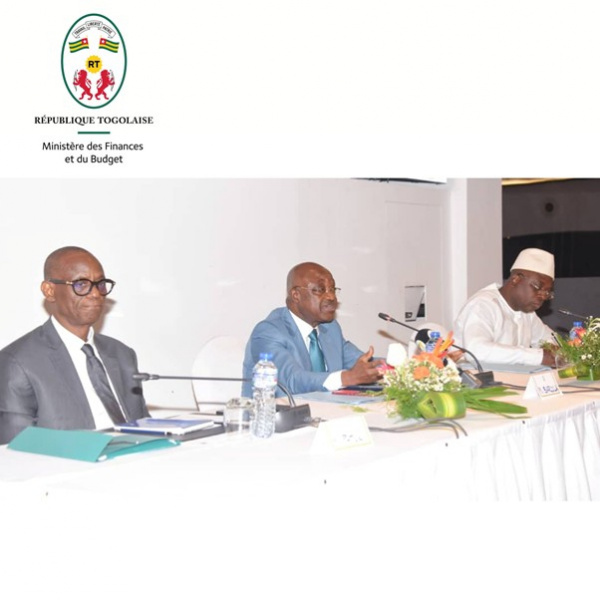
Togo’s private-sector growth story is gathering fresh momentum as the State-Private Sector Consultation Committee (CCESP) deepens collaboration, strengthens reforms, and guides a clearer path for national competitiveness. The committee’s latest activity report, presented during its second technical meeting in Lomé, offers strong evidence that structured dialogue can accelerate economic transformation when commitment and clarity align.
The session, chaired by Minister of Finance Georges Barcola and attended by Minister of Economy and Strategic Monitoring Badanam Patoki, highlighted a year defined by progress, coordination, and bold adjustments. The gathering also affirmed that Togo’s reform engine continues to run with purpose, supported by systems that encourage innovation, investment, and inclusion.
Togo’s policymakers understand that sustainable growth requires a vibrant private sector. Therefore, the CCESP remains a critical platform for resolving bottlenecks, reviewing policy outcomes, and advancing reforms that improve the business climate. The committee’s work also reflects a broader national ambition to stimulate production, diversify income streams, and position Togo as a hub for investment and innovation in West Africa.
The report detailed several reforms achieved this year. One major highlight was the temporary freeze on customs duties for software imports, effective since January 1, 2025. This decision provides breathing space for digital firms, enhances access to critical tools, and supports emerging innovators building local solutions. It also strengthens Togo’s digital economy blueprint by reducing barriers that once slowed adoption and growth.
Additionally, the revision of the tax base for telecommunications and ICT companies marked a strategic step toward fairness, clarity, and long-term sector expansion. This reform addresses long-standing concerns raised by industry players, demonstrating how an open feedback loop between government and business can yield practical wins.
The CCESP also improved coordination across ministries and agencies, ensuring smoother implementation of decisions that affect enterprises. While this work is often quiet, its impact is powerful. Better coordination reduces delays, limits duplication, and improves transparency. Each improvement reinforces the message that Togo is serious about building a predictable environment where businesses can plan, invest, and scale.
Moreover, the committee’s approach reflects a whole-economy mindset. Every reform discussed touches real people — traders seeking clarity on duties, start-ups trying to access global software, investors evaluating risks, and telecom operators expanding digital access. When these communities gain confidence, the entire economy becomes stronger.
Togo’s private sector is also evolving. More youth-led firms are joining national value chains. More technology-based enterprises are emerging. Investors are watching the country’s reform track record with interest. Because progress attracts opportunity, these trends are expected to deliver stronger employment figures and greater national output in the coming years.
The CCESP’s work aligns with national development priorities, including industrial expansion, digital adoption, and structural transformation. By reinforcing dialogue, Togo is building an economy where regulation remains clear, where reforms follow evidence, and where businesses feel heard.
As the committee continues its mission, one message stands out: reforms gain power when government and the private sector move together. This principle will help shape Togo’s next phase of transformation and guide the actions needed to sustain resilience in a fast-changing global economy.
Togo has taken confident steps. The CCESP is helping turn those steps into lasting progress — and the nation is stronger for it.