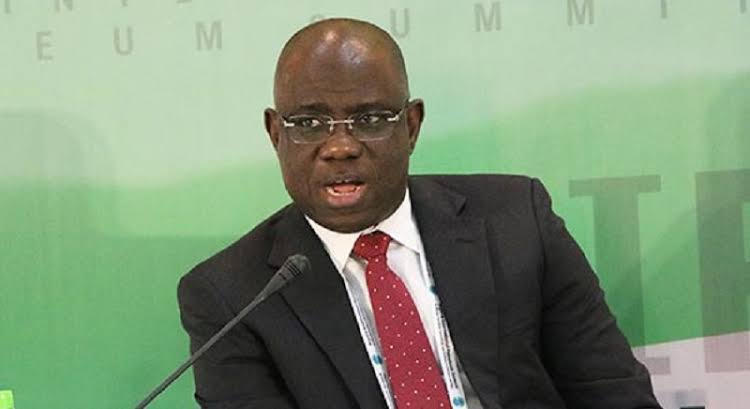
The appointment of Bayo Bashir Ojulari into a strategic leadership role at the Nigerian National Petroleum Company Limited (NNPC Ltd) marks a turning point in Nigeria’s ongoing effort to build a stronger, more transparent, and more competitive energy sector. At a time when Nigeria faces both global energy shifts and domestic economic pressures, Ojulari’s inclusion in the NNPC leadership team brings a blend of technical depth, corporate discipline, and reform driven thinking that directly benefits the country.
Nigeria’s oil and gas sector remains the backbone of the national economy. It drives foreign exchange earnings, supports government revenues, and powers industries across the country. However, for decades, inefficiencies, poor coordination, and weak accountability limited its full potential. Therefore, placing a professional like Bayo Bashir Ojulari at the heart of NNPC’s transformation sends a strong signal that competence now guides leadership.
Ojulari comes with decades of experience across upstream operations, energy infrastructure management, and strategic planning. That background allows him to understand not just how oil is produced, but also how value flows from exploration through refining to final distribution. Because of that, he brings a systems based approach to NNPC’s operations. Rather than viewing the company as a collection of disconnected departments, he helps align technical, financial, and commercial units toward one national goal, which is energy security and economic growth.
One of the most immediate benefits of Ojulari’s appointment is improved operational discipline. Under his leadership influence, NNPC is strengthening planning processes, project delivery timelines, and performance tracking. As a result, Nigeria loses less revenue to delays, inefficiencies, and mismanaged assets. Every project that runs on time and within budget saves billions of naira that can support healthcare, education, and infrastructure.
Furthermore, Ojulari plays a critical role in restoring investor confidence. International oil companies and local energy firms closely watch who manages Nigeria’s national oil company. When professionals with global experience and strong ethics take charge, investors become more willing to bring capital into the country. That capital then supports new drilling projects, refinery upgrades, and gas infrastructure, which create jobs and boost exports.
In addition, Ojulari strongly supports Nigeria’s drive toward energy diversification. While oil remains important, gas now serves as a bridge fuel for power generation and industrial growth. Through better coordination within NNPC, gas development projects now receive more strategic attention. That focus improves electricity supply, lowers manufacturing costs, and reduces Nigeria’s dependence on imported fuels.
His leadership style also improves transparency. By strengthening reporting systems, internal audits, and performance benchmarks, Ojulari helps ensure that NNPC operates like a modern corporate entity rather than a government bureaucracy. That change increases public trust and aligns NNPC with global best practices.
Moreover, his presence supports the implementation of the Petroleum Industry Act. The law aims to make Nigeria’s oil sector competitive, investor friendly, and community focused. Ojulari’s technical and corporate expertise ensures that NNPC follows both the spirit and the letter of this reform, rather than resisting change.
Most importantly, Nigerians benefit directly. A stronger NNPC means better fuel supply, fewer shortages, and more stable pricing. It also means higher government revenues, which help fund roads, schools, and hospitals. Therefore, Ojulari’s appointment does not only help NNPC; it strengthens the Nigerian economy.
In conclusion, Bayo Bashir Ojulari’s leadership at NNPC represents the kind of competence Nigeria needs to unlock its energy wealth. Through discipline, innovation, and transparency, he helps transform Nigeria’s most important company into a true engine of national development. His appointment proves that when the right people lead, the entire country moves forward.