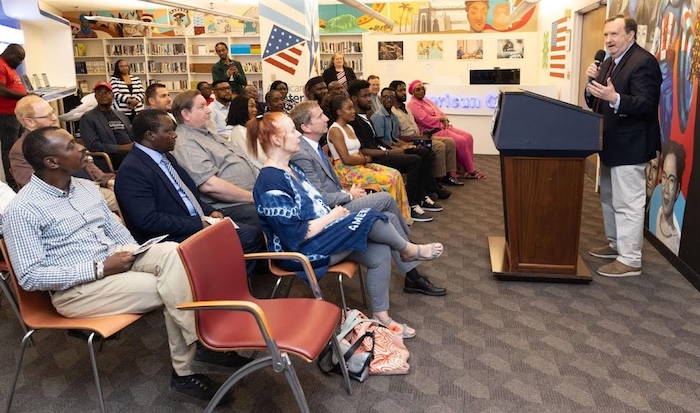
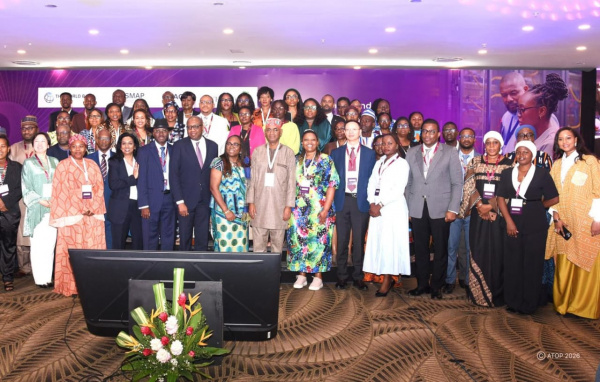
The Women in Energy Network–Africa (WEN-Africa) has convened a high-level meeting in Lomé, Togo, beginning Tuesday, January 13, 2026, focused on addressing persistent gender inequalities within Africa’s energy sector. The gathering brings together institutional actors, policymakers, private sector leaders, and strategic partners committed to advancing inclusive and sustainable energy development across the continent.
Held under the theme “Addressing Gender Inequalities in Energy: Partnerships for Sustainability,” the meeting underscores a growing recognition that gender inclusion is not only a social imperative but also a strategic necessity for Africa energy transition. As countries expand access to electricity, renewable energy, and clean cooking solutions, stakeholders increasingly agree that women must play a central role at every level of the energy value chain.
Across Africa, women remain underrepresented in energy leadership, technical roles, and decision-making structures. At the same time, they often bear the greatest burden of energy poverty, particularly in rural and underserved communities. Consequently, WEN-Africa’s Lomé meeting seeks to bridge this gap by promoting collaboration, policy alignment, and targeted interventions.
Throughout the sessions, participants are examining practical pathways to increase women’s participation in energy planning, project financing, and infrastructure development. Discussions also highlight the need to improve access to education, skills training, and mentorship for women and girls interested in energy-related careers. By doing so, the sector can unlock a wider talent pool while driving innovation and resilience.
Importantly, the meeting places strong emphasis on partnerships. WEN-Africa is encouraging closer cooperation between governments, development partners, financial institutions, and the private sector. Such collaboration, participants note, is essential for scaling gender-responsive energy solutions and ensuring long-term sustainability.
In addition, the Lomé gathering provides a platform to share best practices from across the continent. Case studies from countries that have successfully integrated gender considerations into energy policies and projects are helping to shape actionable recommendations. These shared experiences reinforce the idea that progress is achievable when inclusion is intentional.
Another key focus involves financing. Speakers are exploring ways to expand funding opportunities for women-led energy enterprises and initiatives. Access to capital remains a major barrier for female entrepreneurs in the sector. Therefore, innovative financing models and supportive regulatory frameworks feature prominently in the dialogue.
Beyond policy and finance, the meeting also addresses cultural and institutional barriers. Participants are calling for stronger advocacy, data-driven monitoring, and accountability mechanisms to ensure gender commitments translate into measurable outcomes. According to WEN-Africa, lasting change requires both structural reforms and shifts in mindset.
Hosting the meeting in Lomé further reflects Togo’s growing engagement with regional energy and gender initiatives. It also reinforces West Africa’s role as an active contributor to continental conversations on sustainable development.
As the meeting continues, WEN-Africa aims to produce clear recommendations and strengthen networks that will endure beyond the event. Ultimately, the platform seeks to ensure that Africa energy future is not only cleaner and more efficient, but also fairer and more inclusive.
By centring women in energy solutions, stakeholders in Lomé are sending a powerful message: sustainable energy development in Africa depends on equality, collaboration, and shared opportunity.