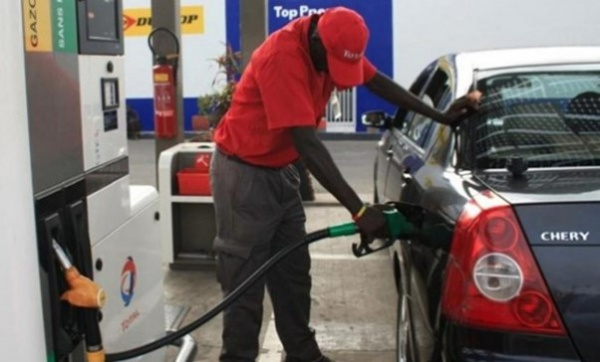
In 2026, Togo is recalibrating its Fuel Subsidy policy to balance social protection with fiscal discipline. The government has earmarked 14.2 billion CFA francs to cushion households against rising petroleum prices. This allocation signals continued support for consumers, yet it also marks a clear shift toward more targeted and sustainable energy management.
Fuel Subsidy has long served as a stabilizing tool across developing economies. In Togo, it has helped soften the pressure of global oil price volatility on transport, food, and household spending. Therefore, the 2026 budget keeps this protective mechanism in place, while simultaneously reducing its scale.
Compared with 2025, the adjustment is significant. Last year, authorities committed nearly 25 billion CFA francs to petroleum subsidies. The new figure represents a sharp contraction. Although officials have not publicly detailed the rationale, the reduction aligns closely with ongoing macroeconomic reforms supported by international partners, particularly the International Monetary Fund.
Across West Africa, governments face increasing pressure to reform energy subsidy systems. Broad subsidies often strain public finances and disproportionately benefit higher-income groups. As a result, many countries are transitioning toward smarter approaches that protect vulnerable populations without undermining national budgets.
Togo’s 2026 Fuel Subsidy posture reflects that broader regional and global trend. By lowering total expenditure while maintaining intervention, policymakers appear to be prioritizing efficiency over volume. This strategy can free fiscal space for critical investments in health, education, and infrastructure.
Moreover, subsidy reforms frequently accompany structural economic programs. The IMF has consistently encouraged countries to gradually reduce generalized fuel subsidies and redirect savings toward targeted social support. Consequently, Togo’s budget signals compliance with reform pathways designed to stabilize the economy and improve long-term resilience.
Importantly, the government still recognizes the social sensitivity of energy pricing. Fuel costs directly influence transport fares and market prices. Therefore, maintaining a subsidy — even at a lower level — demonstrates a commitment to cushioning citizens from immediate shocks.
At the same time, reduced Fuel Subsidy spending may encourage more responsible consumption patterns and strengthen the push toward energy efficiency. Over time, such reforms can stimulate investment in alternative energy and reduce dependency on imported petroleum.
Fiscal sustainability remains a central objective. Large subsidy bills can weaken national budgets and limit development capacity. By scaling back responsibly, Togo is signaling a willingness to protect economic stability while still safeguarding households.
Ultimately, Togo’s 2026 Fuel Subsidy allocation captures a careful balancing act. It sustains short-term relief, supports reform credibility, and advances a more disciplined energy policy. As reforms deepen, this measured approach could strengthen both economic resilience and public trust.