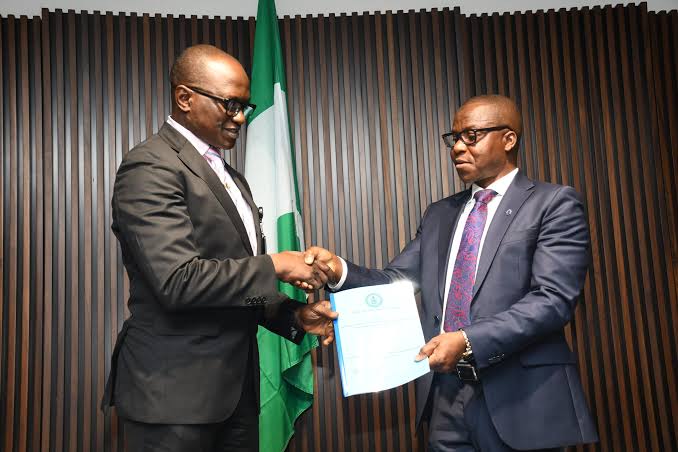
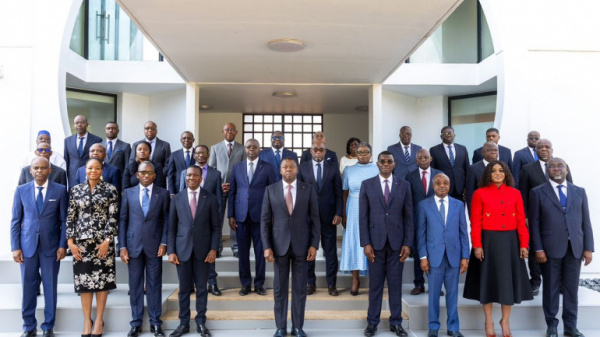
In Togo, Prime Minister Faure Gnassingbé has appointed two new ministers as part of a government reshuffle aimed at strengthening key sectors. The changes were confirmed through a decree signed on Friday, January 23, 2026. This move reflects the government’s continued effort to improve coordination, efficiency, and delivery across strategic ministries.
One of the most notable appointments is that of Komlan Loukou-Kadjé, a seasoned civil engineer. He has been named Minister of Transport, Rural Development, and Roads. Previously, this portfolio operated directly under the Prime Minister’s office. With this appointment, the government has restored the ministry to full cabinet status, signalling a renewed focus on infrastructure and mobility.
Importantly, this development marks a return to government for Loukou-Kadjé. In February 2009, he served as Minister of Public Works and Transport. During that period, he gained recognition for his technical expertise and hands-on approach to public infrastructure management. His reappointment therefore brings both experience and institutional memory back into the executive.
Beyond symbolism, the timing of the appointment carries strategic weight. Transport infrastructure remains central to Togo’s development agenda. Roads connect rural communities to markets. Transport systems drive trade and regional integration. As a result, leadership in this sector directly affects economic growth and social inclusion.
By assigning a dedicated minister to this portfolio, the government appears determined to accelerate rural development. Improved road networks can reduce isolation. Better transport systems can lower the cost of goods. Together, these gains can strengthen livelihoods across the country. Consequently, Loukou-Kadjé’s mandate extends beyond engineering. It touches food security, commerce, and national cohesion.
Moreover, the reshuffle reflects a broader governance approach. Rather than centralising responsibilities within the Prime Minister’s office, the administration is redistributing authority to specialised ministries. This shift can enhance accountability. It can also improve policy implementation through clearer institutional roles.
Observers also note that the return of experienced technocrats suggests continuity alongside renewal. While new faces enter government, proven hands are being recalled to guide complex sectors. This balance may help stabilise reform efforts while introducing fresh momentum.
Although details about the second ministerial appointment remain limited, the overall reshuffle underscores the Prime Minister’s active role in shaping the cabinet. Each adjustment sends a message about priorities. In this case, infrastructure, rural access, and transport efficiency appear firmly at the top of the agenda.
As Loukou-Kadjé resumes ministerial duties, expectations are high. Stakeholders will watch closely. Citizens will look for visible improvements. Development partners will seek clearer coordination. Ultimately, success will depend on execution, funding, and sustained political support.
For now, the appointment signals intent. It highlights the government’s recognition that roads and transport form the backbone of national development. With experienced leadership back in place, Togo positions itself to advance these critical sectors with renewed focus and direction.