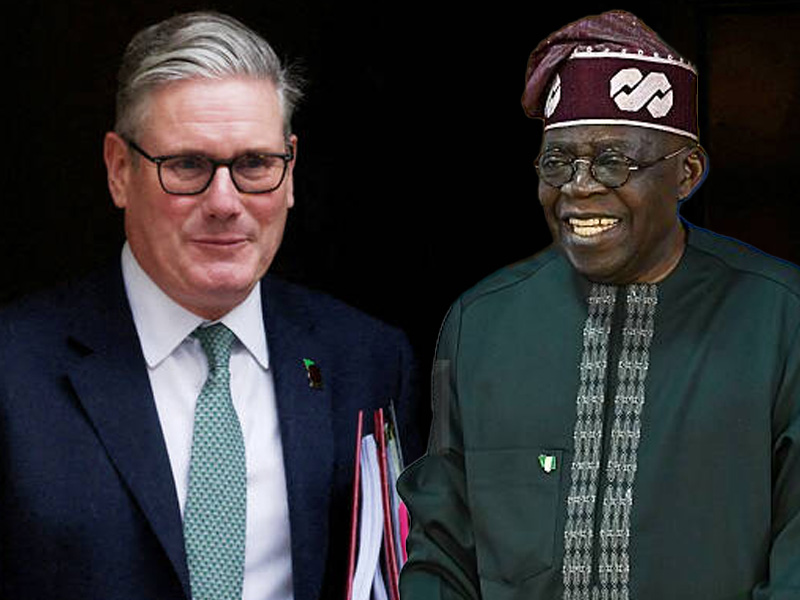
Nigeria’s President Bola Ahmed Tinubu is set to make a historic state visit to the United Kingdom, engaging in high-profile discussions with UK Labour Leader Keir Starmer. This visit, spanning from March 17 to 19, is poised to strengthen bilateral ties and address key issues affecting both nations.
Significance of the UK Visit
President Tinubu’s visit comes at a crucial time. Nigeria, Africa’s most populous nation, has been striving to foster stronger international relations post-pandemic. The engagement with Starmer signifies a deliberate move to bolster ties with the UK, a major ally in various sectors.
Historically, Nigeria and the UK share deep-rooted connections due to colonial ties. The legacy of these interactions continues to influence both countries today. Moreover, the UK remains one of Nigeria’s primary trading partners, with substantial investments in sectors such as oil, agriculture, and education. Consequently, President Tinubu aims to discuss enhancing trade agreements and cooperation on investment, particularly in Nigeria’s growing tech market.
In recent years, Nigeria has emphasized the importance of diversifying its economy. The government seeks to reduce reliance on oil revenue by investing in various sectors, including technology and agriculture. During their discussions, both leaders could explore opportunities for UK investment in Nigerian startups and tech initiatives.
Issues on the Agenda
One of the primary topics of discussion between Tinubu and Starmer will likely be security. Nigeria has faced escalating security threats, particularly from Boko Haram and banditry, which have undermined stability and affected economic growth. Strengthening bilateral security cooperation could be beneficial for both nations, ensuring a safer environment for investments and development initiatives.
Additionally, immigration policies and the promotion of legal migration are expected to be on the agenda. Both leaders can explore ways to create frameworks that encourage skill-sharing while addressing the challenges of illegal immigration. As the UK grapples with its immigration system, discussions on these topics can lead to mutually beneficial policies.
Energy sustainability is another critical issue. Nigeria possesses significant oil reserves but is increasingly investing in renewable energy solutions. The UK, being a leader in renewable energy technology, could provide the expertise needed to facilitate Nigeria’s transition towards sustainable energy. Collaborative initiatives could lay the groundwork for new projects that align with global sustainability goals.
Strengthening Cultural Connections
Beyond political and economic discussions, President Tinubu’s visit can also reinforce cultural ties. The Nigerian diaspora in the UK plays an essential role in bridging both cultures. Enabling cultural exchanges and educational collaborations could enhance mutual understanding and respect, creating stronger community bonds.
Furthermore, Nigeria’s vibrant arts scene, including music and film, has gained international recognition through platforms like Afrobeats. Showcasing Nigerian culture could foster goodwill and further the UK’s understanding of Nigeria’s societal dynamics.
In conclusion, President Tinubu’s upcoming state visit to the UK signifies a commitment to fortifying Nigeria’s international relations, particularly with key political figures like Keir Starmer. The discussions are expected to focus on security, trade, and cultural exchange, leading to fruitful partnerships that benefit both nations. Through proactive engagements, Nigeria is positioning itself as a resilient partner on the global stage.