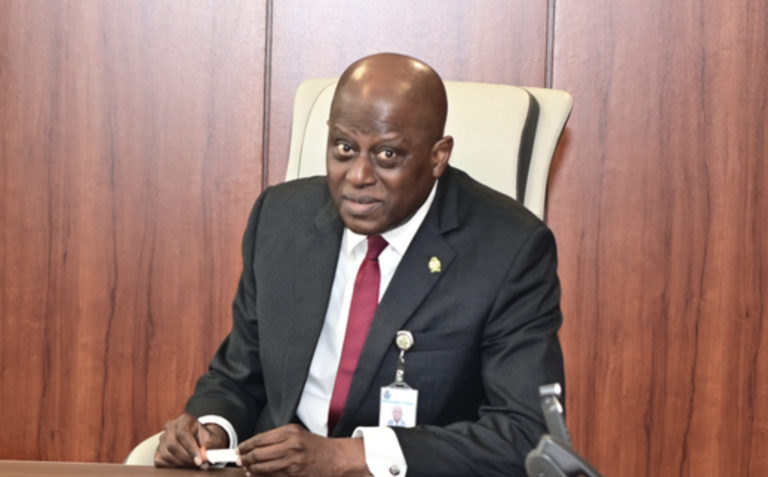
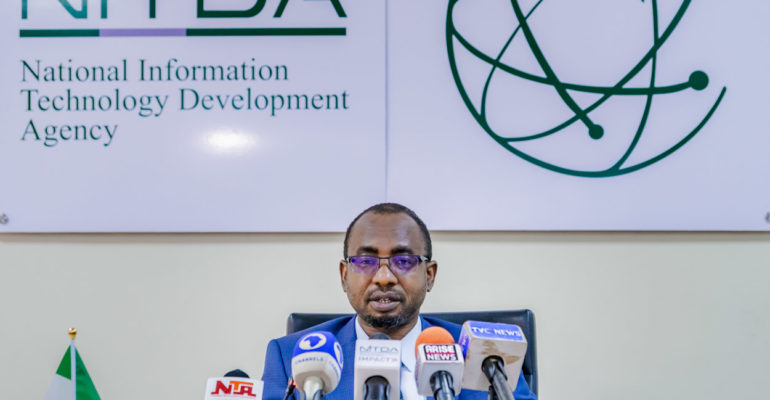
The National Information Technology Development Agency (NITDA) has successfully concluded a specialized digital capacity-building programme for the staff of the Federal Character Commission (FCC). This initiative aims to enhance the digital competencies of the FCC’s personnel, enabling them to efficiently navigate the challenges of a rapidly evolving technological landscape.
Strengthening Digital Skills
In recent years, the need for digital transformation in public sector institutions has increased significantly. The FCC, which plays a crucial role in enhancing representation and promoting fairness in public service postings across Nigeria, recognized the necessity for its staff to adapt to this trend. This specialized training program, organized by NITDA focuses primarily on equipping FCC personnel with essential digital skills.
The programme covered various critical areas, including data management, cybersecurity, digital communication, and the effective use of information technology to improve operational efficiency. By training its staff, the FCC aims to streamline its processes and enhance service delivery to Nigerians.
During the training sessions, participants engaged in hands-on workshops and interactive sessions designed to reinforce the theoretical aspects of the digital tools introduced. Experts from NITDA provided insights into the latest technologies, ensuring that the FCC staff can leverage these tools in their daily operations. This training not only improves individual skills but also fosters a collaborative environment among staff members, encouraging knowledge sharing and teamwork.
Future Implications of the Training
The benefits of NITDA’s training extend beyond the FCC’s immediate operational needs. By building a digitally literate workforce, the agency aligns itself with the broader national agenda of digitizing public services. This shift is crucial for enhancing transparency and accountability in government operations, which are essential for building public trust.
Moreover, the training prepares FCC staff to face future challenges, including increased demands for digital public services. With a workforce trained in modern technologies, the FCC can better identify gaps in service delivery and respond more effectively to the needs of citizens. This proactive approach not only addresses current challenges but also positions the Commission for continued success in the years ahead.
The partnership between NITDA and the FCC exemplifies a model for public sector collaboration in Nigeria. By investing in human capital through digital training, both agencies contribute to the nation’s goal of improved governance and service delivery. As other public sector organizations consider similar initiatives, the FCC’s experience serves as a valuable case study in embracing digital transformation.
In conclusion, NITDA’s training initiative for FCC staff marks a significant step toward modernizing public institutions in Nigeria. As the country moves further into the digital age, equipping personnel with the necessary skills will be paramount for achieving sustainable development and enhancing the quality of life for all Nigerians.