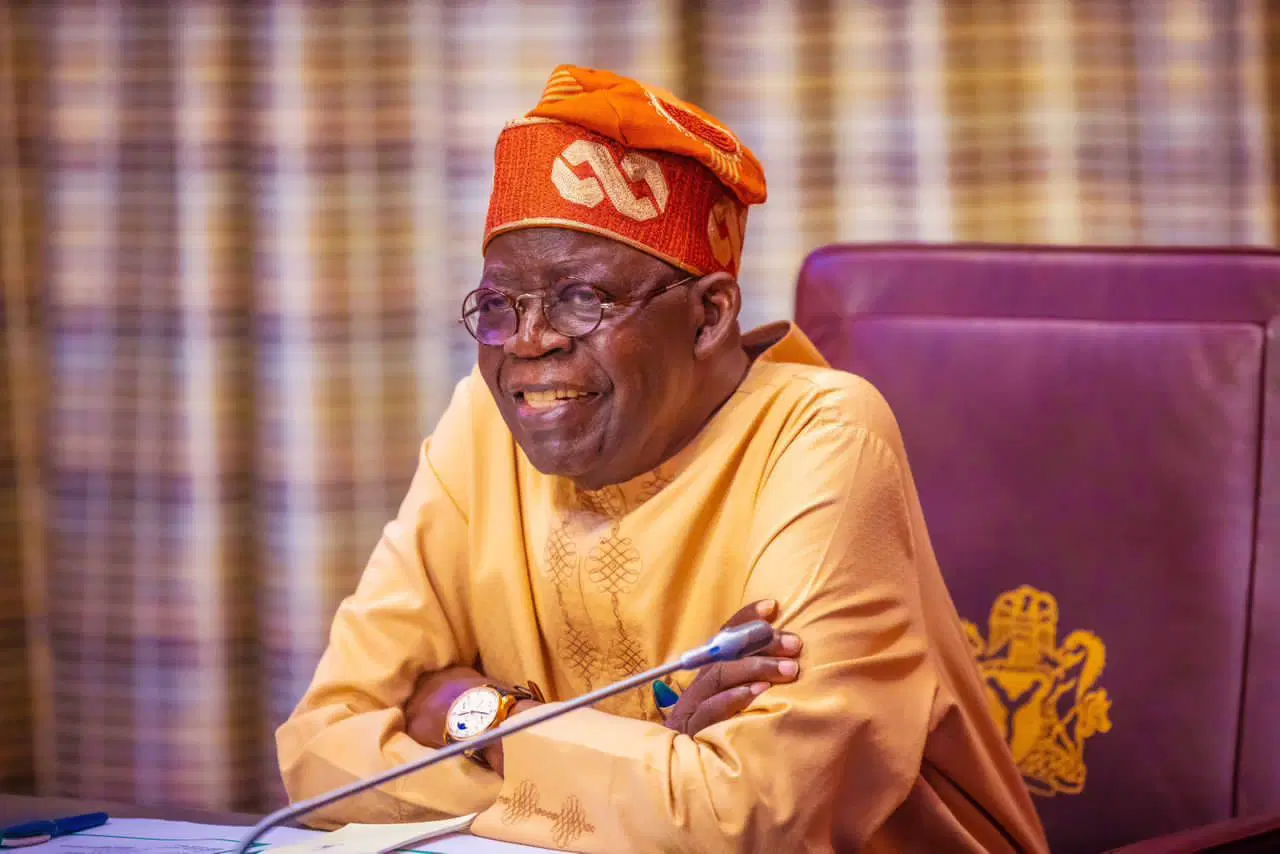
The Federal Government under President Bola Ahmed Tinubu has declared Thursday, 19 March and Friday, 20 March 2026 as public holidays to mark the national celebration. The move affects public servants, private sector operations, markets, and transport schedules across Nigeria. Citizens are advised to plan around the closures while businesses adapt to the two-day national break.
Government Public Holiday: What citizens should know
The Government Public Holiday declaration means federal ministries, departments, and agencies will be closed on both days. State governments typically follow the federal lead, though they may issue specific guidance for local services. Banking halls, public schools, and many nonessential government offices will not operate. Essential services such as hospitals, power utilities, and security agencies will remain on duty, often using rotational staffing to maintain coverage.
Private companies must decide whether to observe the holiday fully, offer skeleton staffing, or compensate employees according to the Labour Act and internal policies. Businesses that usually trade on public holidays—hotels, airports, energy stations, and some retail outlets—should confirm operating hours in advance. Transport operators will likely run adjusted schedules, so travellers should check with service providers before departure.
Public holidays also affect deadlines that fall on the declared days. Regulatory filings, court hearings, and some government transactions may be postponed to the next working day. Citizens and businesses with pending administrative or legal obligations should monitor official announcements to avoid missing deadlines.
Law enforcement agencies will step up patrols and crowd management in busy public areas. Large gatherings, cultural events, and religious activities associated with the celebration may draw significant crowds. Security briefings by local authorities typically accompany public holiday declarations to reassure citizens and manage traffic flow.
Economic and social implications of the Government Public Holiday
A two-day national holiday produces mixed economic effects. On one hand, leisure spending tends to rise as families travel, dine out, and attend events. Hospitality, tourism, and retail sectors often record temporary revenue boosts. Inter-city travel and short domestic trips increase demand for transport and accommodation services. That activity stimulates local economies, particularly in tourist towns and major urban centres.
On the other hand, a pause in government and many private-sector operations can slow administrative processes and reduce productivity in sectors that rely on continuous operations. Manufacturing and export schedules may face short disruptions unless firms plan shift cover. Firms involved in time-sensitive international trade need to align with counterparties abroad to manage shipment timing and documentation.
For salaried workers, the public holiday offers rest and cultural participation. For casual and gig workers, holiday income depends on employer policies and demand for services. Employers should communicate holiday pay rules clearly to avoid disputes. Labour unions often use holiday announcements to remind members of statutory entitlements and protections.
Socially, public holidays reinforce national identity and provide space for communal celebration. Government-organised events, including parades and civic addresses, spotlight national achievements and priorities. Faith communities and cultural groups use the time to host services, festivals, and gatherings that strengthen social bonds.
Implementation clarity is essential to minimize confusion. The federal announcement usually comes with instructions from the Office of the Secretary to the Government and circulars to MDAs. State governments and private employers must translate the directive into operational guidance. Citizens should rely on official statements for exact details about exempted services, emergency contacts, and expected resumption dates.
Summary
In summary, the Tinubu government’s declaration of a Government Public Holiday for 19 and 20 March 2026 marks a national pause that will affect daily life and commerce. While it brings opportunities for leisure spending and communal celebration, it also requires careful planning by businesses and public institutions to maintain essential services and manage economic impacts. Citizens are advised to check with employers, service providers, and local authorities for precise arrangements and to observe safety and public health guidance during public gatherings.