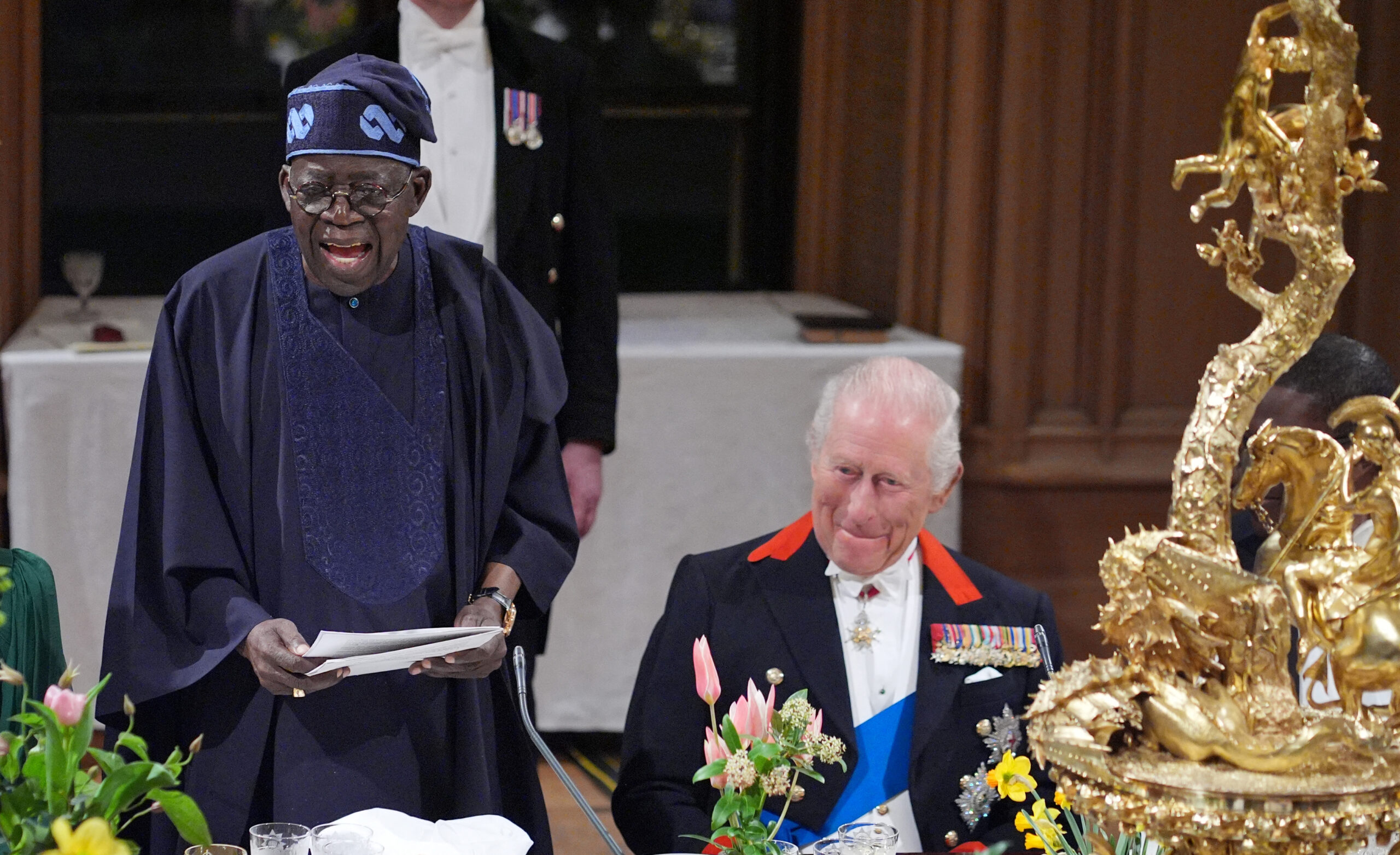
President Bola Tinubu and wife’s state visit to the United Kingdom (UK) drew criticism because it coincided with a period of national mourning. Yet the visit was appropriate and necessary. It strengthened diplomacy, attracted concrete investments, and advanced projects that can ease Nigerians’ long‑term hardships. Critics should weigh short‑term optics against lasting national benefits.
Why the timing was justified
State visits follow strict diplomatic calendars and protocol. Heads of state engage foreign counterparts on schedules set months in advance. Postponing or cancelling a visit can delay negotiations, jeopardise agreed meetings, and send mixed signals to investors. Tinubu’s UK trip preserved momentum on trade and bilateral cooperation while still allowing the administration to observe national mourning with due respect.
The visit’s programmes combined public diplomacy with behind‑the‑scenes negotiations. Meetings with British ministers, business leaders, and the Nigerian diaspora created openings for immediate and medium‑term gains. These engagements complement domestic policy by unlocking foreign direct investment, technical partnerships, and cultural diplomacy that boost Nigeria’s soft power.
Tangible gains from the UK stay
President Tinubu’s UK engagements yielded concrete outcomes that matter to Nigerians. He secured commitments and dialogue on energy, infrastructure, and trade facilitation. Such agreements can accelerate power projects, port improvements, and logistics upgrades that reduce business costs and raise employment.
Tinubu also advanced partnerships for the creative and tech sectors. These sectors offer fast routes to youth employment and export revenue. By spotlighting Nigerian culture and entrepreneurs in London, the visit expanded market access for Nollywood, music, and fashion—sectors that already generate jobs across Lagos, Abuja, and other states.
Diaspora outreach during the visit produced immediate returns. Tinubu met with diaspora investors and professional networks that can mobilise capital for startups, skills training, and remittance‑linked investments. These flows directly support family incomes and local businesses in Nigerian communities.
Tinubu UK Visit: diplomatic relevance and long‑term security
The UK visit strengthened strategic ties with an important partner on security and training cooperation. Enhanced collaboration can improve intelligence sharing and capacity for counterterrorism, maritime security, and border management. For citizens in affected regions, better security cooperation means safer communities and more stable business environments.
Diplomatic gains also protect Nigeria’s international standing. Active engagement with partners reassures markets and banks, which affects foreign portfolio flows and correspondent banking relationships. The cumulative effect supports macro stability and the ability to fund public services.
Balancing respect and statecraft
The Tinubu administration observed national mourning protocols while continuing necessary diplomacy. Respectful attendance at memorials and public expressions of solidarity do not preclude urgent state business. In complex crises, leaders often must both mourn and act to protect citizens’ futures. Tinubu’s approach balanced solemn observance with the duty to secure deals that benefit Nigerians.
Backstory: why immediate engagement matters
Many investment opportunities are time‑sensitive. Memoranda, letters of intent, and project pipelines require prompt follow‑up. Delays can mean lost windows for concessional financing or shifting investor interest. By maintaining the UK schedule, Tinubu ensured Nigeria remained in active contention for projects that can create jobs and fund infrastructure.
Conclusion: outcomes outweigh optics
Public sentiment is vital, and sensitivity matters. Yet national leadership also demands securing tangible outcomes that improve livelihoods. Tinubu’s UK visit delivered diplomatic traction, investment interest, diaspora mobilization, and security cooperation. Those results can translate into jobs, better services, and safer communities across Nigeria. For these reasons, the timing of the visit was justified and aligned with long‑term national interest.