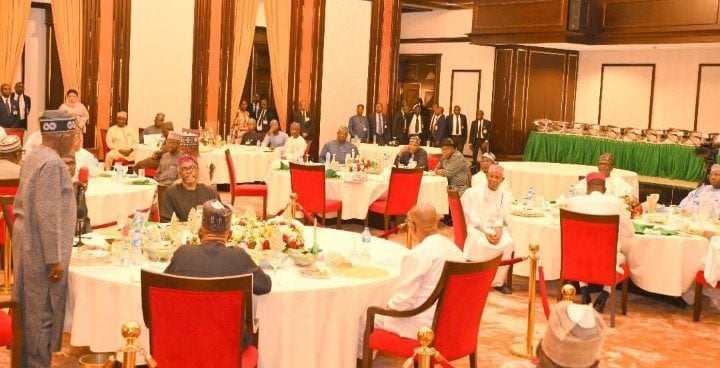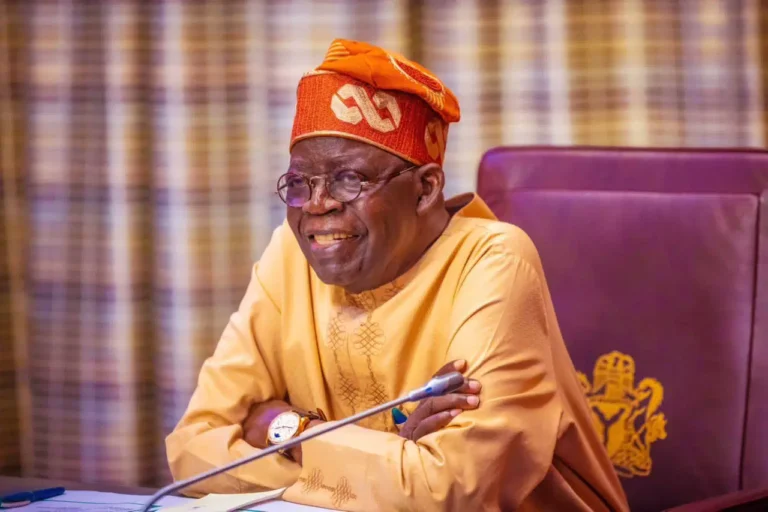
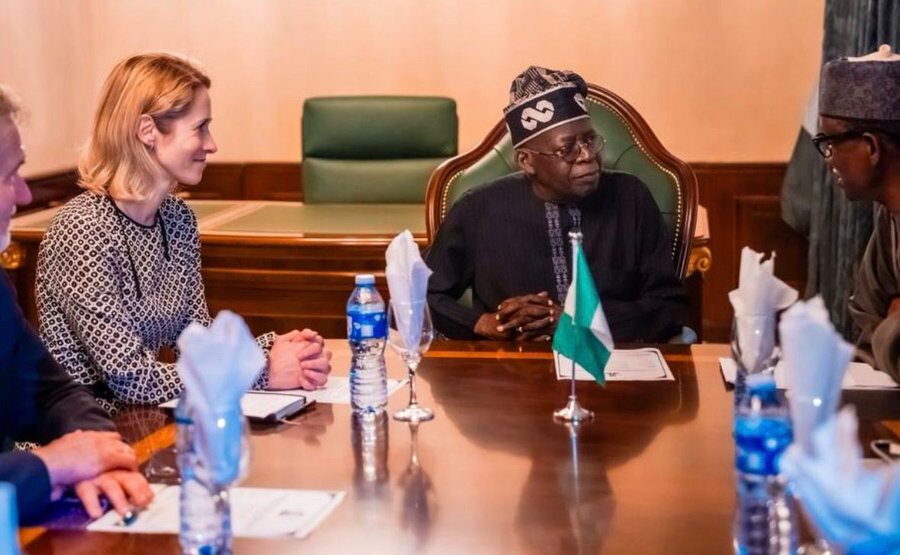
President Bola Tinubu met with Kaja Kallas, High Representative of the European Union for Foreign Affairs and Security Policy. The meeting reinforced Nigeria‑EU ties and focused on security, trade, and sustainable cooperation.
Key discussion areas
President Tinubu and Kaja Kallas discussed regional security and counterterrorism cooperation. They explored strengthened intelligence sharing and capacity building to address instability in West Africa. Both leaders agreed on the need for coordinated responses to cross‑border threats.
They also reviewed trade and investment relations. Tinubu emphasised Nigeria’s reforms to improve the business climate and attract foreign capital. Kallas expressed EU interest in deeper economic partnerships that support sustainable development and job creation.
Climate action and energy transition featured in talks. The EU representative stressed support for clean energy projects and just transition pathways. Tinubu highlighted Nigeria’s plans to expand gas utilisation while pursuing renewable investments to meet climate commitments.
Diplomatic and strategic outcomes
The meeting yielded plans for enhanced diplomatic engagement and joint initiatives. Both sides committed to regular consultations on security, trade, and governance. Kallas pledged closer collaboration on capacity building for Nigerian institutions and on humanitarian assistance where needed.
On trade, the EU signalled readiness to explore targeted support for value‑chain development in agriculture and manufacturing. Nigeria and the EU agreed to examine technical partnerships that ease market access and boost local processing.
On security cooperation, both leaders agreed to deepen training programs and intelligence coordination. They noted that sustainable security requires parallel investment in job creation and youth development to address root causes of violent extremism.
Backstory: strengthening Nigeria‑EU ties
Relations between Nigeria and the EU have grown amid shared interests in stability and economic growth. Recent global shocks heightened the need for resilient supply chains and energy security. This meeting builds on prior dialogues aimed at aligning Nigeria’s reform agenda with EU partnership programmes.
What this means for Nigeria
Closer collaboration with the EU can expand technical assistance, increase investment flows, and support Nigeria’s reform agenda. Enhanced security cooperation may improve counterinsurgency outcomes and protect critical infrastructure. Trade partnerships could help diversify exports and promote industrialisation.
Next steps and follow‑up
Both offices agreed to set up working groups to translate discussions into actionable projects. These groups will focus on security training, clean energy investments, and trade facilitation. Regular high‑level consultations were planned to monitor progress and adjust cooperation where needed.
Conclusion
President Bola Tinubu’s meeting with EU Foreign Affairs Chief Kaja Kallas signals a practical push to deepen Nigeria‑EU collaboration on security, trade, and climate action. The encounter prioritised coordinated responses to regional challenges while seeking avenues to boost investment and sustainable development.