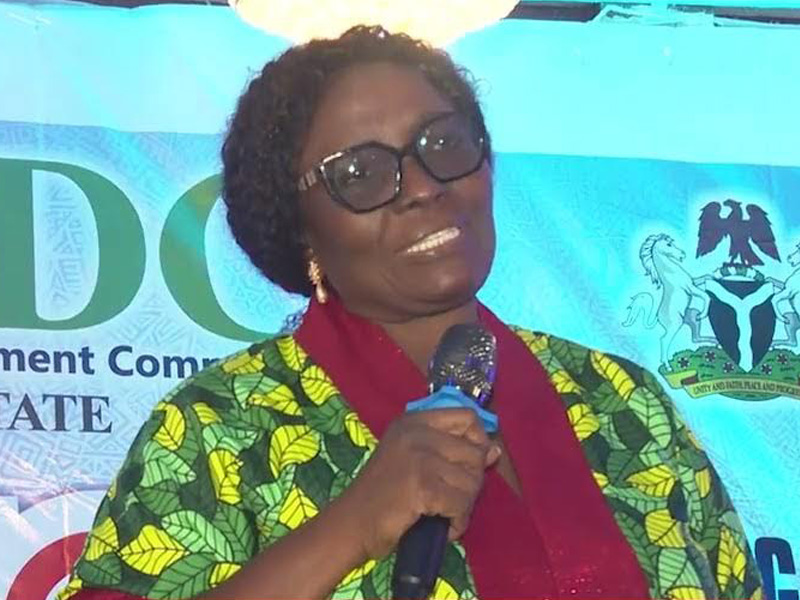
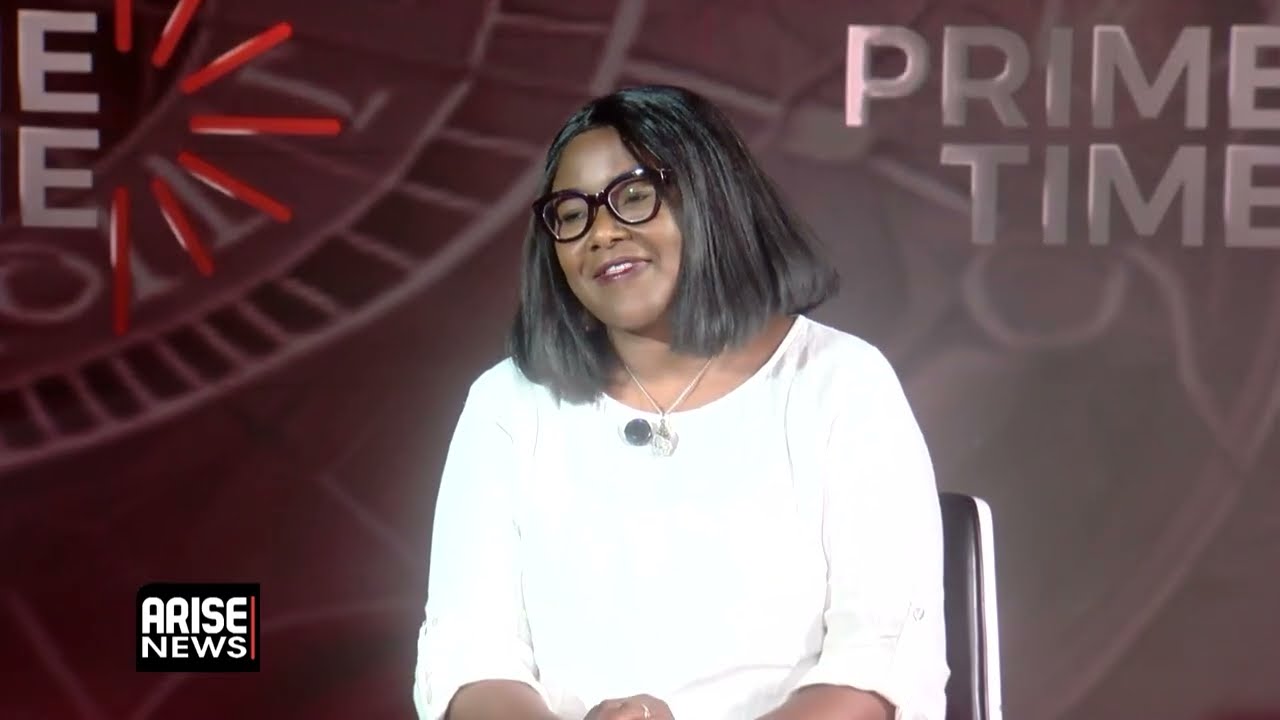
MD/CEO, Association of Power Generation Companies, Dr. Joy Ogaji has attributed Nigeria’s persistent power outages to weak monitoring and enforcement across the sector.
Adding, she said recurring grid collapses are not isolated incidents but clear symptoms of deeper governance and coordination failures within the power industry.
Dr. Ogaji said this while discussing Nigeria’s power sector challenges with ARISE NEWS on Wednesday.
“The privatization of the power sector was conceived, well-conceived, well-designed, and equally well-executed. Where we got it wrong was in the process of monitoring and enforcement, which is always the problem, not only in the power sector. We are very good in putting plans together and everything, but the moment it comes to implementing and enforcing, we start having hiccups here and there. I don’t think you’re new to this fact I’m giving,” she stated.
She added: “Monitoring and enforcement, to date, still has issues. The issues are just symptoms of a major structural issue that is hinged on leadership, coordination, monitoring, enforcement.”
Responding to concerns over rising tariffs, Dr. Ogaji admits all players share blame but says the power sector’s issues stem from poor leadership and lack of accountability.
“Like I said in my opening remark, I said it’s a leadership problem. If today the President gives us a marching order that, ‘Power sector, I am giving you six months to put your acts in order. If you don’t, all heads of agencies, you will be sacked,’ things will change.”

Speaking on the Minister of Power’s apology, Dr. Joy Ogaji said Nigerians can accept or reject his statement and doubted the two-week promise.
“I’m not a politician. Yes, and I don’t also understand how politics is done. I’m a technocrat and I can speak to my expertise. The Minister is a citizen of Nigeria and by Chapter 4 of the Constitution, he has freedom of speech. Yes, so I think he must have exercised his freedom of speech. So, whether Nigerians accept it or not, also they also have the choice to either accept or reject it. However, the Minister’s promise that in two weeks things will all normalize, I do not also know because he is the Minister,” she said.
Dr. Ogaji emphasised that resolving Nigeria’s power crisis is possible with political will.
“There’s a way out. Where there is a will, there is always a way. So first is political will. We need political will,” she stated.
She argued that prioritizing electricity above other agendas would boost the economy, improve industries, education, health, and support SMEs.
“When power is solved, industries will bloom. When power is solved, educational issues will be resolved, health will be booming, and a lot of SMEs will be able to do their businesses without hassle.”
She added that Nigerians are willing to pay for electricity as long as there is steady supply of power.
“However, there is this notion that government believes that Nigerians cannot pay for electricity, so they need to help Nigerians. But I want to put it on record that Nigerians are saying that they are ready to pay for reliable power. If you can assure them that electricity can be reliable, they are willing to pay,” Dr. Ogaji stated.
Dr. Ogaji also said that beyond political will, the government must implement clear policies, enforce accountability, and address the sector’s structural issues to ensure sustainable power supply.
“I see these incidences can be controlled with good leadership and coordination. It can happen. The moment we solve that leadership question, every other thing will fall in place. Because now, if you talk about policy, it’s leadership. Talk about regulation, it’s policy,” she maintained.
Acknowledging Nigerians’ frustration over high costs and poor service, Dr. Ogaji reiterated that the power sector’s problems are solvable with strong leadership.
“I understand the frustration from Nigerians, I’m also a Nigerian, I also live here, we all face this. However, I believe that we can resolve the issues in the power sector. The power sector issues are not intractable, they are not intractable. They can be resolved. However, we need the leadership to be fixed. As soon as the leadership is fixed, and it’s very easy, the Presidency should just declare a state of emergency in the power sector,” she concluded.
Favour Odima