
In a solemn moment of national reflection, Nigeria prepares to lay to rest one of its most enduring political figures, former President Muhammadu Buhari, who passed away in London on Sunday afternoon. As per Islamic tradition, his burial is scheduled to take place today, Monday, in his hometown of Daura, Katsina State.
The death of the former president, who led Nigeria both as a military head of state and later as a democratically elected leader, has drawn widespread condolences and mourning across the country and beyond. He reportedly died in a private hospital in London at about 4:30 p.m. local time on Sunday.
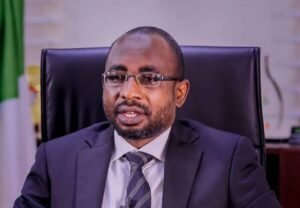
Vice President Kashim Shettima, acting on behalf of President Bola Ahmed Tinubu, accompanied Buhari’s remains from the United Kingdom to Nigeria in the early hours of Monday. His body is to be flown directly to Daura, where final rites will be conducted and the burial held later in the day.
Presidency sources confirmed to The PUNCH that arrangements were swiftly put in place following the former president’s death to ensure adherence to Islamic burial customs, which prescribe immediate interment.
“The burial is tomorrow (Monday). They’re bringing his corpse over the night. They’ll go straight to Daura. So, they’ll bury him tomorrow,” a presidency official said on Sunday night.
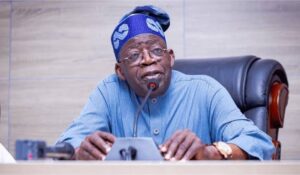
President Tinubu is expected to lead a high-profile delegation of past and present Nigerian leaders to Daura to pay their last respects. The gathering will likely include former heads of state, governors, ministers, traditional rulers, and foreign dignitaries. The presence of such a distinguished roll-call of Nigerian leadership is a testament to Buhari’s towering presence in the nation’s political history.
Born on December 17, 1942, Muhammadu Buhari rose through the ranks of the Nigerian military, becoming Head of State in 1983 following a coup. He governed with a reputation for discipline and anti-corruption during his brief tenure before being ousted in 1985. Decades later, he returned to power as a civilian president in 2015 and was re-elected in 2019, serving until May 2023.
Buhari’s time in office was marked by a mix of achievements and controversies. He was widely admired for his personal integrity, anti-corruption stance, and commitment to infrastructural development. However, critics often cited rising insecurity, economic struggles, and human rights concerns under his watch.
Despite the debates surrounding his legacy, today Nigerians from all walks of life are united in grief. Tributes have poured in from within the country and the diaspora, with many highlighting his austere lifestyle, patriotism, and enduring influence on national politics.
In Daura, preparations for the funeral have reached their peak. Security has been strengthened, and religious leaders are coordinating prayers in accordance with Islamic customs. The Federal Government is also expected to announce a period of national mourning, with flags flying at half-mast in honor of the late leader.
As the nation gathers in Daura to commit Muhammadu Buhari to the earth, Nigeria stands at a crossroads of remembrance—reflecting not only on the life of a former president but on the nation’s ongoing journey toward unity, development, and democratic resilience.