
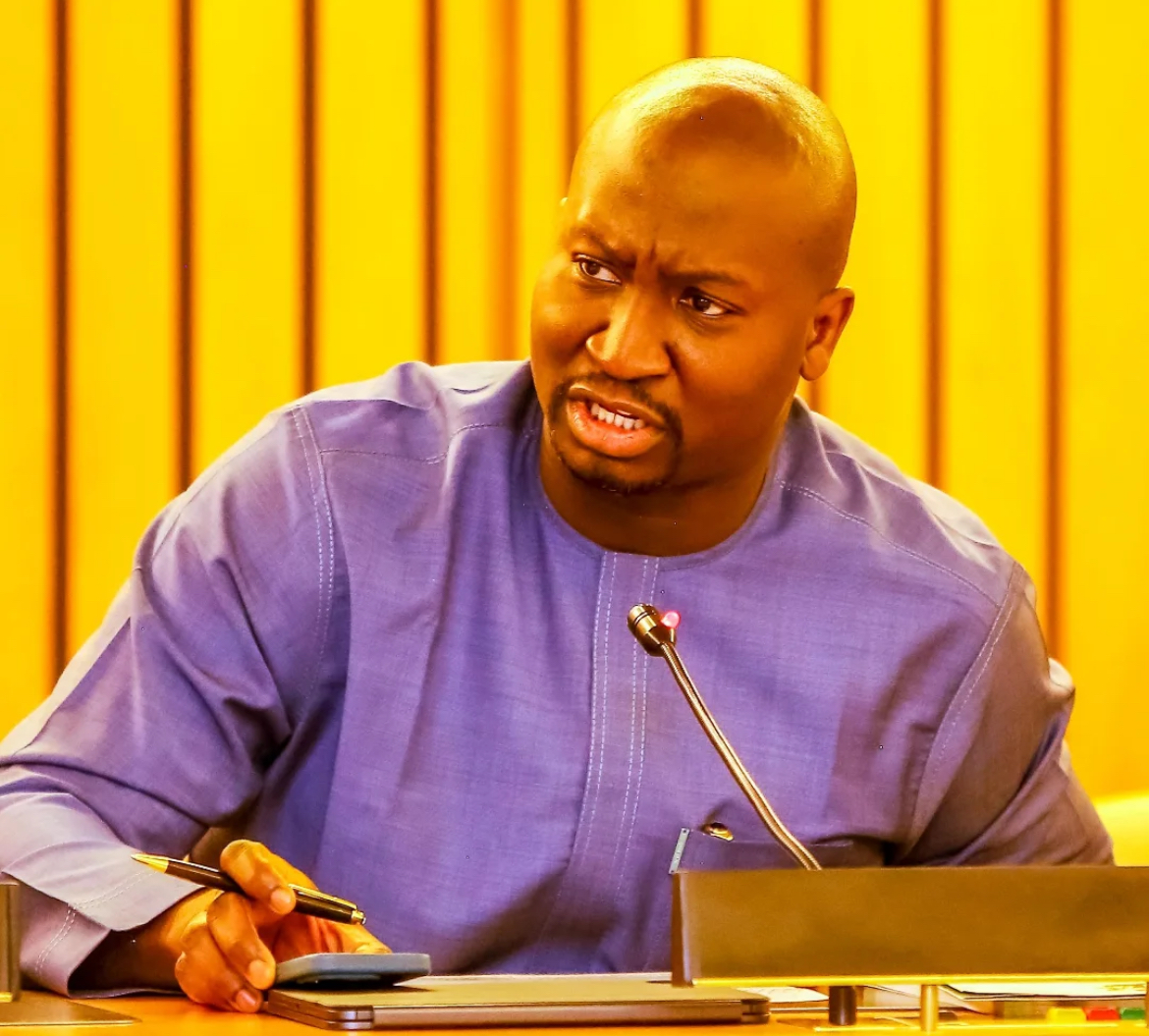
Engr. Cornelius Adebayo, the Executive Secretary and Chief Executive Officer of the National Agricultural Land Development Authority (NALDA), is currently in Addis Ababa, Ethiopia, where he is representing Nigeria at the United Nations Food Systems Summit. His presence marks another important milestone in Nigeria’s quest for sustainable food security, agricultural transformation, and global collaboration.
The UN Food Systems Summit serves as a major international gathering of world leaders, agriculture experts, development partners, and policymakers working together to build inclusive, resilient, and sustainable food systems. As food insecurity continues to grow globally, conversations at the summit revolve around practical, scalable, and locally driven solutions.
Engr. Adebayo’s participation places Nigeria at the center of these crucial global conversations. At various sessions and side meetings, he has consistently highlighted Nigeria’s strategic efforts under the leadership of President Bola Tinubu, aimed at transforming agriculture into a key economic pillar. These efforts include programs that support smallholder farmers, expand irrigation infrastructure, and integrate technology into farming practices.
He shared NALDA’s experiences in driving rural agricultural development, including how the authority is revitalizing dormant farmland, promoting youth involvement through agribusiness training, and constructing integrated farm estates. These initiatives not only create employment but also improve food availability and reduce dependency on imports.
At the summit, leaders discussed the urgent need for innovation, investment, and policies that prioritize people, planet, and prosperity. Engr. Adebayo aligned Nigeria’s position with this vision by emphasizing NALDA’s approach—building systems that support farmer productivity, protect the environment, and drive inclusive economic growth.
While attending breakout sessions, he met with counterparts from other African countries, as well as officials from international development organizations and donor agencies. These engagements opened doors for partnerships that could bring technical support, funding, and knowledge-sharing to strengthen NALDA’s impact at home.
Engr. Adebayo stressed that no country can tackle food insecurity alone. Collaboration remains the key, especially when facing complex challenges such as climate change, soil degradation, and limited access to capital for small-scale farmers. He assured potential partners of Nigeria’s readiness to work transparently and efficiently to deliver results that align with global goals.
One major highlight of his presentation was NALDA’s dry season farming initiative, which helps reduce reliance on rain-fed agriculture, extends growing cycles, and increases yield. He also cited the positive impact of training young people in modern agricultural techniques and encouraging them to see agriculture as a profitable and sustainable career.
Engr. Adebayo reaffirmed that NALDA will continue to push the boundaries of what’s possible in agriculture, placing Nigeria on the global map as a leader in food systems transformation. He encouraged other African nations to do the same, not only by developing their food systems but by investing in their people.
Nigeria’s presence at the summit proves that the country is not just focused on local food security. It is also fully engaged in building a future where Africa’s agricultural potential drives economic prosperity and ensures that no one is left behind.