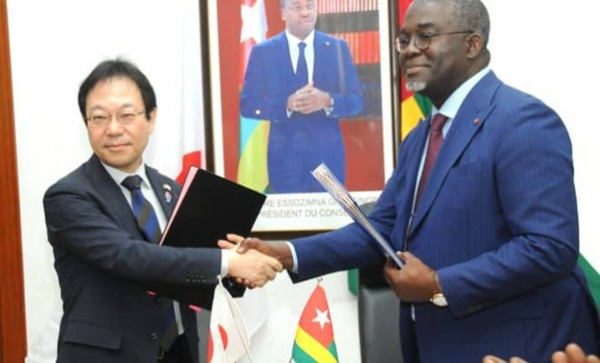
Togo has just received a significant boost from Japan, with 800 million CFA francs dedicated to the KR 2025 food assistance project, commonly known as the Kennedy Round. This generous support forms part of Japan’s non-refundable financial cooperation aimed at enhancing food security for the nation’s most vulnerable populations. The funding will be used to purchase rice, which will then be distributed at subsidized prices. This initiative promises to address urgent nutritional needs while paving the way for sustainable economic growth.
The KR project is more than just a food aid program. It serves as an economic lever that can transform the local landscape. The revenue generated from the sale of rice will be funneled into a matching fund. This fund is crucial as it finances important structural projects, especially in agriculture and education. By reinvesting these revenues, Togo can tackle immediate food insecurity while also laying the groundwork for long-term stability and development.
This dual approach strengthens nutritional security and creates a lasting socio-economic impact. When vulnerable communities receive essential food supplies, it directly addresses issues of hunger and malnutrition. Families can focus on their health and well-being without the constant worry of food scarcity. This immediate relief is vital for improving the quality of life for many Togolese citizens.
Moreover, the reinvestment aspect of the KR project is transformative. By channeling funds into agriculture, Togo can boost local food production. Enhanced agricultural productivity leads to more jobs and better livelihoods. Farmers will gain access to better resources, training, and technology, all of which contribute to increased yields. This cycle of investment fosters resilience in the agricultural sector.
Education also stands to benefit significantly from this initiative. Funds will support projects aimed at improving educational facilities and resources. By investing in education, Togo is preparing its youth for a brighter future. A well-educated population is essential for driving innovation and economic growth. The KR project recognizes that nurturing human capital is just as important as addressing immediate food needs.
The KR 2025 project aligns seamlessly with Togo’s broader development goals. The government aims to enhance food security, improve agricultural practices, and bolster educational opportunities. This initiative serves as a cornerstone in achieving those objectives. The partnership with Japan exemplifies how international cooperation can yield substantial benefits for local communities.
Japan’s support highlights the importance of global partnerships in tackling pressing issues like food insecurity. Through this collaboration, Togo is not just receiving aid; it is gaining a strategic ally invested in its long-term success. The KR project showcases how targeted funding can lead to meaningful change.
As Togo moves forward, the impact of this funding will be closely monitored. The government will work to ensure that the funds are used effectively and transparently. This accountability is vital for maintaining trust among stakeholders and ensuring that the intended benefits reach those who need them most.
In conclusion, Togo’s receipt of 800 million CFA francs from Japan marks a significant step toward enhancing food security and fostering economic growth. The KR 2025 project is a multifaceted initiative that addresses immediate needs while also investing in the future. By focusing on both agriculture and education, Togo is setting a course for sustainable development. As the nation embraces this opportunity, it stands to improve the lives of countless citizens and build a more resilient economy. The future looks promising, and the journey toward a thriving Togo is well underway.