In a powerful initiative, Nigeria is intensifying its fight against open defecation ahead of the 2030 deadline. The Federal Ministry of Water Resources and Sanitation has joined forces with the Head of the Civil Service of the Federation. This partnership marks a pivotal moment in addressing a critical public health issue affecting millions.
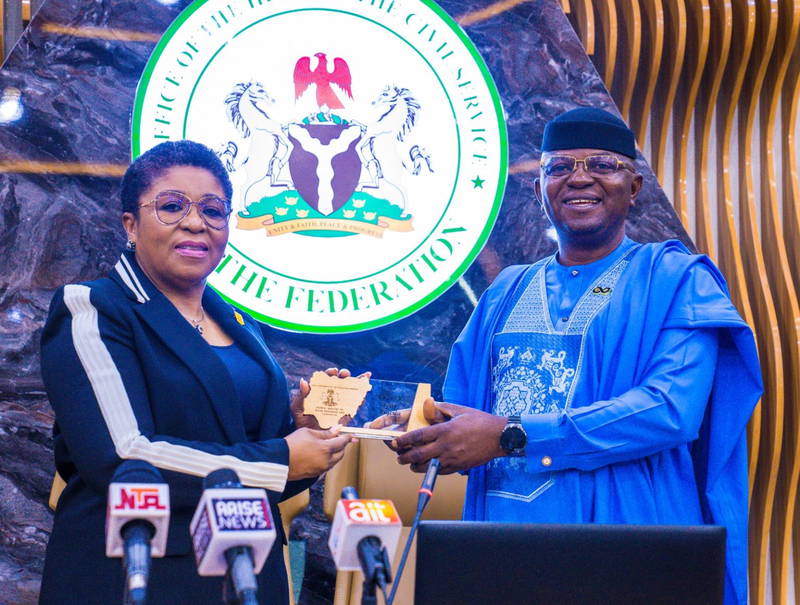
Recently, the Minister of Water Resources and Sanitation, Engr. Joseph Utsev, led a visit to the Head of Service, Didi Walson-Jack. This visit was part of the ‘Clean Nigeria: Use the Toilet Campaign.’ During this meeting, both leaders discussed strategies to combat open defecation effectively. Their collaboration aims to raise awareness and promote proper sanitation practices throughout the country.
Open defecation presents serious risks to public health. It leads to the spread of diseases like cholera and diarrhea, especially in vulnerable communities. By joining forces, these ministries aim to mobilize resources and implement outreach programs. They plan to educate the public about the importance of sanitation and hygiene. Access to proper toilet facilities is not just a luxury; it is a basic human right.
Engr. Joseph Utsev emphasized the urgency of this campaign. He stated that it is crucial for achieving Nigeria’s national goal of eliminating open defecation. He highlighted the need for a collective effort from all stakeholders. Government agencies, civil society, and the private sector must work together. This collaboration is vital for driving real change.
The ‘Clean Nigeria: Use the Toilet Campaign’ serves as a national call to action. It encourages communities to prioritize sanitation and hygiene. The campaign aims to change mindsets and behaviors regarding open defecation. By promoting the use of toilets, the initiative seeks to create healthier communities. It also aims to reduce the incidence of sanitation-related diseases.
During the meeting, Didi Walson-Jack expressed her full support for the initiative. She recognized the importance of sanitation in achieving the United Nations Sustainable Development Goals. She emphasized that clean and safe environments contribute to overall well-being. Walson-Jack urged everyone to participate in this campaign and take ownership of sanitation efforts.
To achieve the ambitious goal of eliminating open defecation by 2030, Nigeria needs a multi-faceted approach. This includes improving infrastructure, increasing access to sanitation facilities, and fostering community engagement. The partnership will focus on building toilets in rural and urban areas alike. Providing access to safe and clean sanitation facilities is essential for progress.
Furthermore, the ministries plan to conduct extensive awareness campaigns. These campaigns will target schools, communities, and local leaders. They will incorporate educational programs to teach the importance of proper sanitation practices. By engaging with young people, the campaign hopes to instill better hygiene habits from an early age.
As part of this initiative, the government will also seek support from international organizations. Collaborating with global partners can bring additional resources and expertise to the table. This will enhance the effectiveness of the campaign and ensure its success.
In conclusion, Nigeria is taking bold steps to end open defecation by 2030. The partnership between the Federal Ministry of Water Resources and the Head of the Civil Service marks a significant milestone. By working together, they aim to create a cleaner, healthier Nigeria for all. Every citizen has a role to play in this journey. Together, we can build a future where everyone has access to proper sanitation. Let’s unite to make this vision a reality and ensure a brighter future for generations to come.