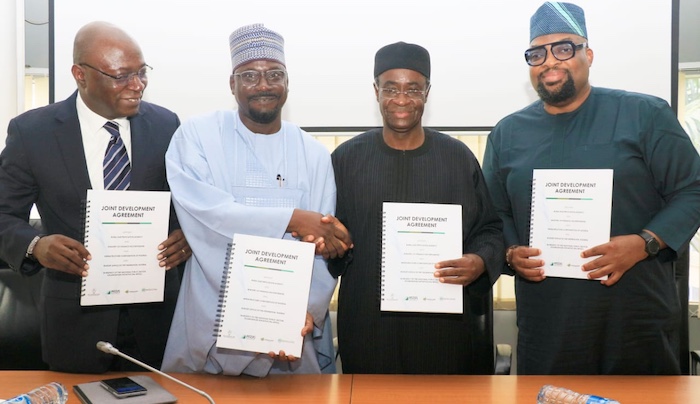

Nigeria is on a mission to enhance sanitation and hygiene across the nation. The Office of the Head of the Civil Service of the Federation (OHCSF) has made a strong commitment to collaborate with the Federal Ministry of Water Resources and Sanitation. Together, they aim to scale up the Clean Nigeria: Use the Toilet Campaign. This partnership represents a significant step toward creating a healthier environment for all Nigerians.
The primary goal of this collaboration is to eliminate open defecation. Open defecation poses serious health risks and contributes to the spread of waterborne diseases. This practice negatively impacts public health and creates unsanitary conditions. By addressing this issue head-on, Nigeria aims to foster a cleaner, safer environment for its citizens.
Achieving an Open Defecation Free (ODF) Nigeria by 2030 is a bold and ambitious target. This goal aligns with Sustainable Development Goal (SDG) 6.2, which focuses on ensuring access to adequate and equitable sanitation and hygiene for everyone. By prioritizing improved sanitation facilities and promoting hygiene practices, Nigeria can significantly enhance the quality of life for its people.
The Clean Nigeria campaign emphasizes the importance of using toilets as a fundamental aspect of public health. It promotes the idea that every individual deserves access to clean and safe sanitation facilities. Education and awareness are key components of this campaign. By changing behaviors and attitudes, the initiative encourages communities to adopt better hygiene practices.
This collaboration between the OHCSF and the Federal Ministry of Water Resources and Sanitation marks a pivotal moment in Nigeria’s fight against inadequate sanitation. Working together allows these organizations to pool resources, share knowledge, and implement effective strategies to combat open defecation. Their combined efforts can lead to significant improvements in public health across the nation.
Moreover, the campaign aims to raise awareness about the dangers of open defecation. Communities will learn about the benefits of proper sanitation and hygiene. This education is vital for changing mindsets and encouraging individuals to use available sanitation facilities. The campaign will also address cultural beliefs and practices that contribute to open defecation. By fostering dialogue and understanding, the campaign can create lasting change.
In addition, local governments play a crucial role in this initiative. They can implement policies that promote access to clean toilets and sanitation facilities. By investing in infrastructure, local governments can ensure that communities have the resources they need. This investment is essential for achieving the ODF target by 2030.
Furthermore, community involvement is critical for the success of the Clean Nigeria campaign. Engaging local leaders and citizens will create a sense of ownership and responsibility. When communities actively participate in sanitation efforts, they are more likely to embrace change. This grassroots approach can lead to sustainable improvements in hygiene practices.
In conclusion, Nigeria’s commitment to improving sanitation and hygiene marks a vital step toward a healthier nation. The collaboration between the OHCSF and the Federal Ministry of Water Resources and Sanitation demonstrates a unified approach to addressing open defecation. By working together, these organizations can create impactful strategies that benefit all Nigerians.
With a clear focus on education, community involvement, and infrastructure investment, the Clean Nigeria campaign can achieve its ambitious goals. Together, we can build a future where everyone has access to safe sanitation and hygiene facilities. By fostering better health practices, Nigeria can ensure a cleaner, safer environment for generations to come.