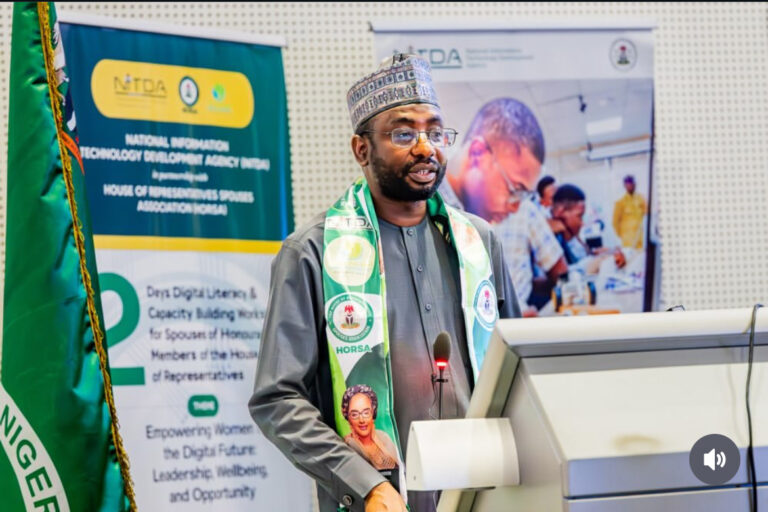

Nigeria’s drive toward a modern, inclusive, and technology-powered economy reached a new milestone with the announcement of an ambitious digital literacy plan by the National Information Technology Development Agency (NITDA). The agency has unveiled a bold programme to train 50 million Nigerians and raise national digital literacy levels to 70 percent by 2027. This announcement represents a strategic move toward unlocking new opportunities, expanding national capacity, and preparing millions for the digital age.
NITDA’s vision aligns with global trends that prioritize technology adoption, digital skills, and innovation-driven growth. The world now moves faster, and nations that embrace digital competence gain stronger competitiveness. Nigeria understands this reality and continues to build the systems that empower citizens to thrive. This new plan offers a clear path toward inclusion, capability, and national advancement.
The agency’s strategy focuses on large-scale training programmes, community-based learning, and partnerships that expand reach. It also plans to work with schools, universities, innovation hubs, and private-sector partners. This approach ensures that learners across all regions gain access to quality digital education. The goal remains simple: create a digital generation ready for global opportunities and equipped for modern work.
Furthermore, the initiative supports the government’s broader economic transformation agenda. Digital skills improve productivity, strengthen industries, and open new income streams. They help young people compete for global roles and attract investment from fast-growing technology markets. The plan also empowers rural communities, women, and underserved groups with skills that reshape livelihoods and create new pathways for success.
NITDA’s announcement comes at a critical time. Nigeria faces a fast-changing technological landscape. Automation grows. Digital platforms expand. Global markets shift toward digital services. Because of these changes, nations with strong digital foundations experience faster development and greater resilience. This reality motivates Nigeria’s commitment to digital inclusion and skills development.
The agency’s plan also highlights the importance of collaboration. NITDA understands that 50 million learners require strong partnerships, effective coordination, and community-driven support. It plans to work closely with states, local governments, educators, and technology organizations. This cooperation strengthens delivery, expands capacity, and accelerates progress. It also ensures that no region gets left behind in the digital movement.
In addition, the initiative promotes innovation across sectors. Digital skills support entrepreneurship, tech startups, financial inclusion, and creative industries. They help businesses adopt modern tools and improve their operations. They also support government institutions as they transition toward digital governance and smarter service delivery. The plan therefore contributes to national transformation through multiple channels.
NITDA’s leadership continues to emphasize that digital literacy represents a fundamental right in the modern world. Every citizen deserves the opportunity to understand, use, and benefit from digital tools. This belief guides the agency’s programmes and ensures that training remains accessible and relevant. The initiative reinforces national confidence and strengthens Nigeria’s position within Africa’s digital economy.
As the programme advances, expectations continue to rise. Communities want accessible learning spaces. Young people want pathways into global opportunities. Parents want skills that prepare children for future careers. Businesses want workers with the competence to support expansion. NITDA’s plan responds to these needs and offers a structured path toward inclusive growth.
Nigeria’s transformation depends on bold decisions, strategic investments, and visionary leadership. The new digital literacy plan represents all three. It reflects the belief that every Nigerian can contribute to national progress once given the right tools. It also shows that the future belongs to nations that teach, empower, and uplift their people.
NITDA’s commitment to training 50 million citizens by 2027 marks a historic moment. It signals progress. It inspires hope. And it strengthens Nigeria’s journey toward a thriving digital economy built on skill, innovation, and opportunity.