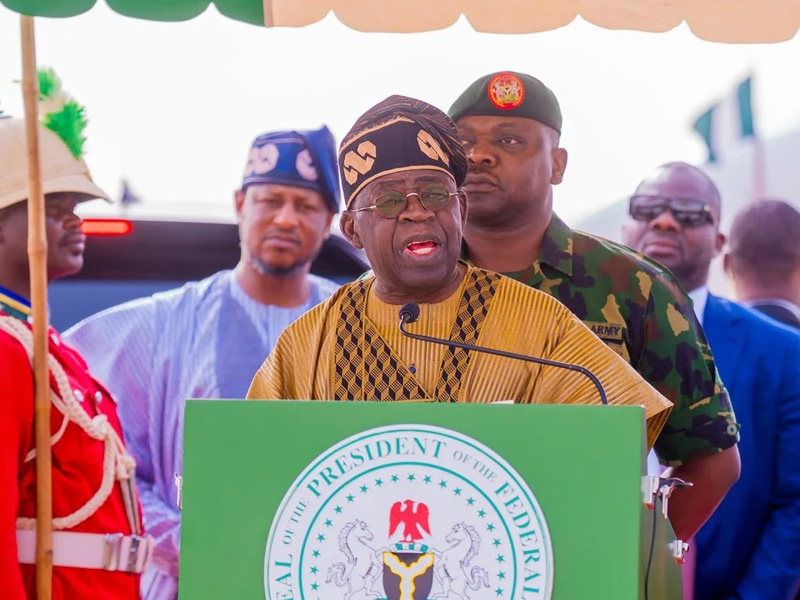
The 54th ministerial session of EISMV opened with strong energy and renewed purpose as African states deepened cooperation on regional veterinary leadership. The gathering began on Monday, November 17, 2025, in Lomé, and it brought together experts from fourteen member countries. Their presence signaled a collective commitment to strengthening governance, advancing scientific innovation, and supporting the evolution of this respected regional institution based in Dakar.
The opening session, chaired by Minister Delegate for Higher Education and Scientific Research, Gado Tchangbedji, set a clear and ambitious tone. He emphasized the importance of strategic governance and highlighted the essential role veterinary science plays in Africa’s food security, public health, and sustainable development. His message encouraged participants to approach the week with a spirit of collaboration, discipline, and transformative thinking. Consequently, the discussions gained early momentum.
EISMV stands as one of Africa’s most influential veterinary training institutions. It produces skilled professionals who support national livestock sectors, protect public health, and strengthen regional disease surveillance. Because of its central role, member states continue to prioritize its governance, infrastructure, and long-term development. The ministerial session offers a valuable opportunity to review achievements, address challenges, and plan future investments with greater precision.
Throughout the week, experts will examine institutional performance and propose pathways for deeper modernization. They will explore training standards, curriculum advancement, research capacity, and regional cooperation. These discussions matter because livestock sectors across Africa face rising demands and evolving risks. Climate change, shifting markets, and emerging diseases require stronger veterinary systems. Therefore, effective governance at EISMV supports broader continental stability and growth.
The session also highlights Africa’s increasing commitment to scientific excellence. Countries now recognize that veterinary science extends far beyond animal health. It shapes public health, enhances food systems, and strengthens rural economies. When veterinary institutions improve, countries gain stronger disease surveillance systems, more resilient livestock value chains, and safer consumer markets. These outcomes contribute directly to national development agendas and improved livelihoods.
Moreover, the meeting reinforces the importance of regional unity. The fourteen member countries share many challenges and many opportunities. By working together, they can build harmonized standards, support innovation, and promote coordinated responses to transboundary diseases. This cooperation increases efficiency and helps countries benefit from shared knowledge and pooled expertise. It also strengthens Africa’s voice within global scientific networks.
EISMV’s leadership team will present progress reports, highlight new achievements, and outline emerging priorities. These updates will guide the ministerial deliberations and support informed decision-making. Ministers will also review proposals to enhance governance, expand research investment, and modernize training facilities. Because Africa’s livestock and public health sectors evolve rapidly, these decisions carry significant relevance.
Furthermore, the session offers a platform for member countries to reaffirm their commitment to education and scientific advancement. Many nations plan to strengthen veterinary infrastructure, introduce new programs, and increase investment in animal health systems. These commitments align with wider continental strategies that promote food security, economic resilience, and scientific progress.
As the week progresses, participants expect constructive dialogue and practical outcomes. The meeting offers a significant opportunity to elevate EISMV’s standing, reinforce its mission, and support stronger scientific leadership across West and Central Africa. The institution’s future growth depends on bold decisions, sustained funding, and continued unity among member states.
The opening day established a confident direction. The event signaled that Africa takes its regional veterinary leadership seriously and remains committed to building institutions that support growth, stability, and well-being. With clear purpose and firm collaboration, the ministerial session sets the stage for meaningful progress and a stronger future for veterinary science across the continent.