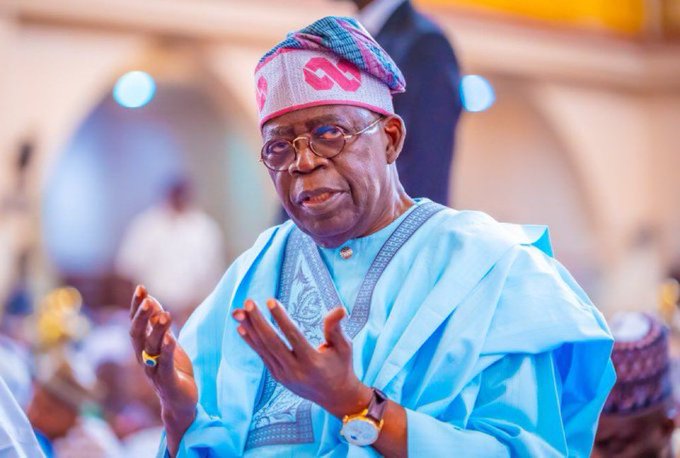
President Bola Tinubu issued a strong call for African security leadership on Monday as he challenged the continent to move away from the growing dependence on private military and security contractors. He stressed that Africa must reclaim control of its battles, strengthen sovereign authority, and build resilient national systems that drive lasting peace. He also noted that true stability requires clarity, accountability, and regional unity rather than fragmented operations driven by private interests.
During the first plenary session on Peace, Security, Governance and Multilateralism at the 7th African Union–European Union Summit in Luanda, Angola, Tinubu delivered a direct message to African leaders. He explained that the rising influence of private contractors threatens coherent security planning. He added that their opaque mandates often create confusion, weaken trust, and disrupt coordinated counter-terrorism strategies. Additionally, he warned that their involvement sometimes fuels tensions instead of easing them.
Tinubu urged African governments to take full ownership of peace initiatives. He argued that nations must design their security strategies around national priorities while working with regional institutions for broader support. Furthermore, he emphasized that outsourcing critical security functions prevents states from developing stronger armies, better intelligence systems, and more credible law-enforcement institutions. These weaknesses, he said, allow violent groups to exploit gaps and prolong instability.
He insisted that Africa needs a unified approach that aligns political will, regional cooperation, and transparent resource management. Tinubu reminded the summit that African states have the talent, courage, and experience to drive bold security reforms. They simply need stronger coordination, better investment, and improved operational discipline. Moreover, he explained that African citizens trust their own institutions more when governments lead the process rather than deferring it to private actors.
Tinubu also highlighted the importance of global partnerships. However, he clarified that these partnerships should empower African institutions instead of replacing them. He encouraged the African Union, regional economic blocs, and national governments to deepen collaboration with international allies, yet keep full control of the mission. He stressed that sustainable peace grows when African leaders shape the vision, set the rules, and supervise every operation.
He reminded delegates that Africa’s challenges are complex but not insurmountable. Terrorism, political conflicts, and violent extremism require consistent strategies and firm regional backing. Tinubu pointed out that every African country has valuable experience gained from managing unique security pressures. By sharing that knowledge, countries can build powerful networks that reinforce continental resilience.
Tinubu’s message resonated with many delegates who agreed that Africa must strengthen its institutions and create better long-term frameworks for peace. They noted that private contractors may offer temporary solutions, yet they rarely contribute to enduring stability.
In closing, Tinubu called for renewed commitment. He said Africa must rise with purpose, defend its sovereignty, and shape a new era of African security leadership. He urged leaders to act boldly, invest wisely, and protect the continent’s future through cooperation, transparency, and home-grown solutions.