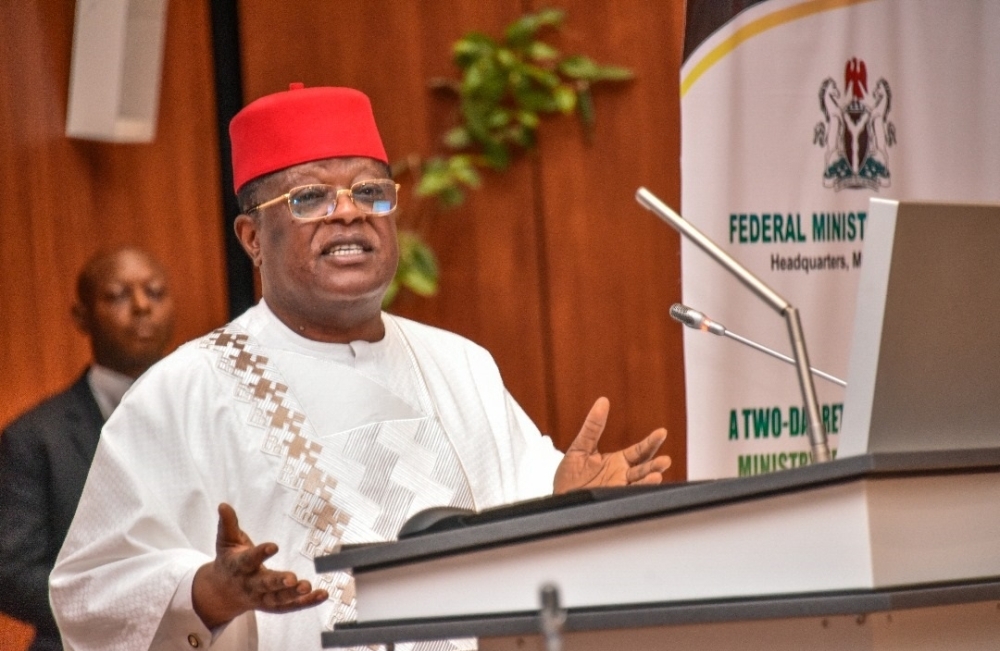
Nigeria’s infrastructure journey is entering a new phase of confidence and clarity, and this progress is visible along the Coastal Highway, where recent inspections highlight stronger standards, better planning, and a renewed push for national development. The latest update from the Minister of Works, Dr David Umahi, offers a clear sign that the federal government’s commitment to quality delivery is steady, deliberate, and impact-driven.
During his two-day inspection across Cross River and Akwa Ibom States, the minister certified the quality of ongoing work on Sections 3A and 3B of the Coastal Highway. His assessment showed that the project is advancing with strong engineering discipline, improved soil-management methods, and a construction strategy shaped by technical precision rather than rushed timelines. This is important because it demonstrates a maturing approach to national infrastructure, one built on measurable progress rather than political excitement.
The contractor, HITECH Construction Company Limited, earned strong commendation from the minister for the quality of the work completed so far. This praise reflects the value of consistent supervision, transparent evaluation, and a clear focus on long-term durability. Additionally, the minister acknowledged the advanced methods adopted by the company to address soil challenges along the Cross River axis. This terrain has always posed difficulties, yet the team deployed a mitigation plan that keeps the project on track while ensuring safety, stability, and environmental responsibility.
This highway is more than a construction site. It is a national economic lifeline that will link coastal communities, unlock tourism corridors, connect farms to markets, strengthen regional trade, and create steady jobs for young Nigerians. Each section of the project holds potential for transport efficiency, lower logistics costs, and new opportunities for local businesses. These gains directly support national goals that aim to grow the economy, boost competitiveness, and expand prosperity across diverse regions.
Additionally, the inspection demonstrates an important shift in project oversight. It shows that monitoring is now continuous, transparent, and driven by technical evidence. This strengthens public trust, ensures adherence to standards, and guarantees that the final product will meet global benchmarks. It also sets a model for other ongoing national projects, reinforcing the culture of accountability that the Works Ministry is promoting.
The Coastal Highway represents a future shaped by better roads, shorter travel times, and stronger economic links across Nigeria’s southern states. It stands as a symbol of what can happen when leadership, planning, and technical expertise align with national priorities. As more sections move toward completion, communities across Cross River, Akwa Ibom, and beyond can expect safer journeys, new investments, and renewed optimism.
Nigeria’s infrastructure agenda is clear. The vision is bold. The execution is improving. With steady progress on the Coastal Highway, the nation is building more than a road; it is building a foundation for shared growth and lasting development.