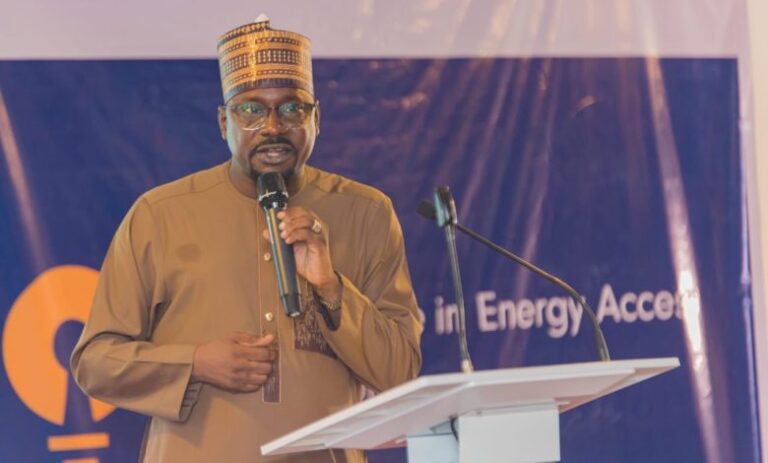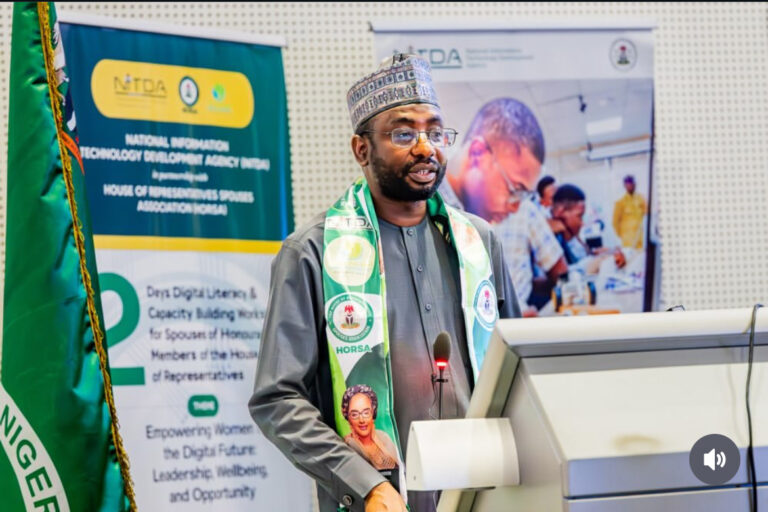

Nigeria’s digital landscape gained fresh momentum as the country accelerated its digital literacy drive at the Digital Nigeria Conference in Abuja. The Director-General of the National Information Technology Development Agency (NITDA), Dr Kashifu Inuwa Abdullahi, stated that Nigeria remains firmly on course to achieve 70% digital literacy by 2027. He explained that this goal aligns with a national plan to train 50 million citizens across key sectors and strengthen the country’s emerging digital economy.
During the closing ceremony, Abdullahi emphasised the conference’s strong impact. He shared that this year’s edition delivered deeper discussions and sharper insights. He noted that high-level dialogue shaped the conversation across all five strategic tracks. The engagement reflected Nigeria’s rising ambition and its growing capacity to compete globally.
The conference focused on five major pillars. These pillars included connectivity, artificial intelligence, digital public infrastructure, digital literacy, and digital trade. Abdullahi stressed that each pillar holds a unique role in Nigeria’s transformation plan. He added that these pillars work together to build a cohesive, inclusive, and innovative digital system.
Kashifu began with connectivity. He explained that stronger connectivity increases access, unlocks value, and supports long-term innovation. He stated that more citizens join the digital economy when infrastructures expand consistently. Furthermore, he highlighted that better access reduces gaps and improves economic participation.
Inuwa then addressed artificial intelligence. He described AI as a major force for growth and efficiency. He explained that AI strengthens industries, improves decision-making, and drives creative solutions. Moreover, he emphasised responsible use to protect trust and ensure sustainable progress.
Abdullahi moved to digital public infrastructure. He called it the backbone of Nigeria’s new digital state. He said these systems support effective governance, faster service delivery, and stronger national coordination. However, he emphasised transparency, security, and accessibility as core priorities.
Kashifu highlighted digital literacy as the foundation for national progress. He explained that citizens gain more opportunities when they understand digital tools. He stated that training 50 million Nigerians will create a confident and productive population. Lastly, he added that skilled citizens make Nigeria more competitive in global markets.
Thereafter, he discussed digital trade. Where he described it as a rising frontier with huge potential. He explained that Nigeria’s young population can excel in global digital marketplaces. Lastly, he noted that digital platforms offer easier access to investors, partners, and customers. He stressed that stronger policies will attract more innovation and unlock new growth.
The conference attracted innovators, policymakers, investors, students, and technology enthusiasts. Their presence signaled growing national confidence. Many participants expressed enthusiasm for AI, fintech, cloud technology, and emerging digital careers. Their engagement showed that Nigerians are ready to embrace future opportunities.
Nigeria’s commitment to expanding digital literacy supports its larger development vision. The effort strengthens communities, boosts productivity, and opens new economic pathways. It also positions the country as a leading digital force in Africa. Many experts agreed that Nigeria’s progress will influence regional growth and continental digital integration.
Abdullahi reaffirmed NITDA’s dedication to innovation and inclusive growth. He encouraged deeper collaboration among stakeholders. He stressed that Nigeria’s digital future requires determination, strategic thinking, and coordinated action.
Nigeria continues to advance its digital transformation agenda with clarity and purpose. Through rising literacy levels, stronger systems, and bold leadership, the country moves confidently toward a smarter, more inclusive, and globally competitive future.