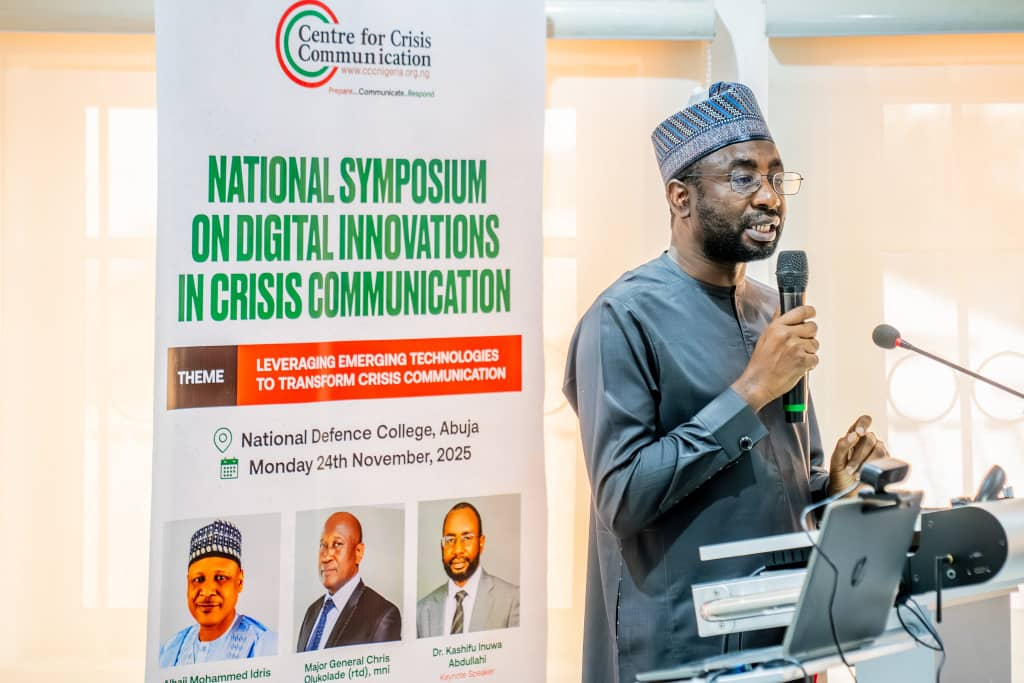
The digital threat facing Nigeria continues to expand, and this urgency shaped the strong message delivered by the Director General of the National Information Technology Development Agency (NITDA), Kashifu Inuwa. He explained that the rapid spread of false information now stands among the most dangerous challenges in today’s interconnected world. The issue grows faster than many traditional security risks, and therefore demands bold national action.
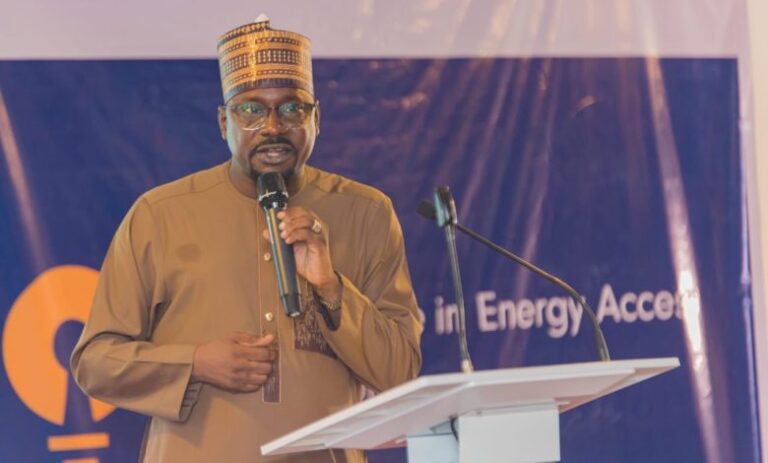
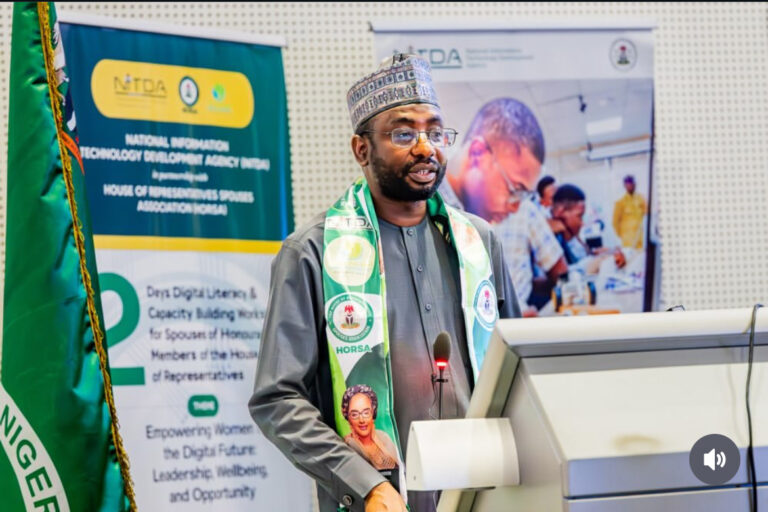
He delivered this message at the National Symposium on Digital Innovation in Crisis Communication, held at the National Defence College in Abuja. The Centre for Crisis Communication organised the event to unite security institutions, technology experts, emergency managers, and public communication leaders. The gathering focused on how Nigeria can strengthen its resilience as technology reshapes crisis behaviour.
Furthermore, Mr. Inuwa emphasized that digital tools now influence every stage of a crisis. They shape how incidents start, how they escalate, and how citizens respond. He noted that the speed of digital content means false narratives can dominate public spaces before official agencies release verified information. This rapid spread creates confusion, weakens trust, and disrupts coordinated response efforts during emergencies.
Additionally, he highlighted how emerging technologies, including artificial intelligence and deepfake systems, introduce new layers of complexity. These tools can manipulate images, generate convincing false videos, and craft misleading messages at high speed. He explained that hostile actors now exploit these innovations to distort facts and influence public behaviour. Therefore, he urged the country to build strong verification systems, promote fact-checking culture, and empower institutions with modern monitoring tools.
He also drew attention to the role of digital literacy. He noted that citizens must understand how to evaluate online information, especially during crises. He stressed that informed users slow the spread of dangerous content because they confirm facts before sharing. Consequently, he called for national awareness campaigns that guide the public on responsible digital engagement.
Moreover, Mr. Inuwa encouraged deeper collaboration among government institutions, security agencies, media organisations, and technology companies. He explained that no single stakeholder can confront digital-era threats alone. He believes that joint action will improve early detection of harmful content, strengthen emergency communication, and promote faster dissemination of verified information. He also underscored the value of research partnerships that study digital behaviour and build predictive crisis-management tools against digital threat.
He further noted that crisis communication must stay fast, transparent, and credible. According to him, speed now determines whether truth prevails over misleading content. He argued that official agencies must adopt agile communication methods and maintain active digital channels. He stressed that clear updates reduce panic and support national stability.
As he concluded, Mr. Inuwa reaffirmed that Nigeria holds the talent, capacity, and technological potential to lead Africa’s digital security transformation. However, he insisted that progress requires urgency, coordination, and continuous innovation. He encouraged stakeholders to remain proactive because the digital world evolves daily. He believes that a united effort will help Nigeria protect its citizens, secure its information space, and build a safer digital future for the continent.