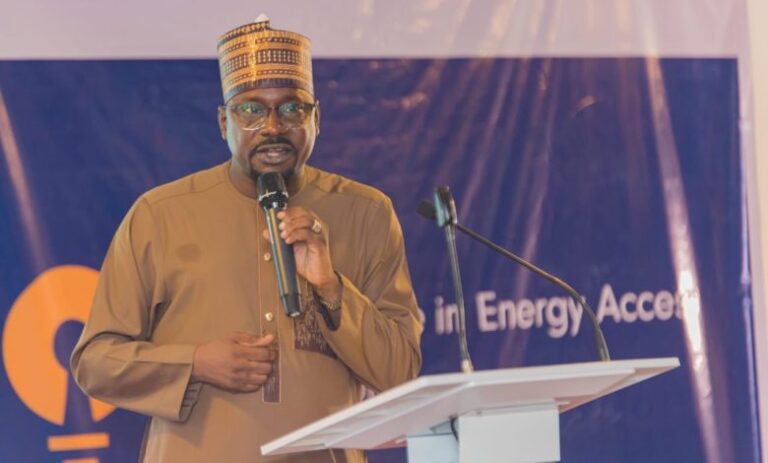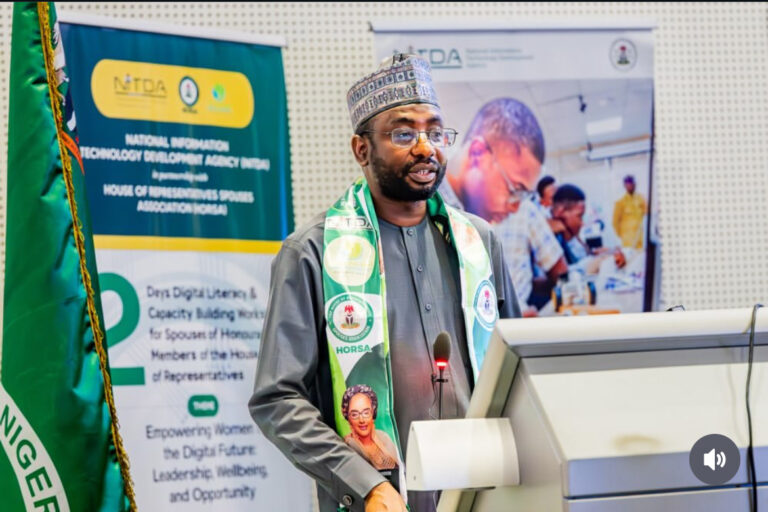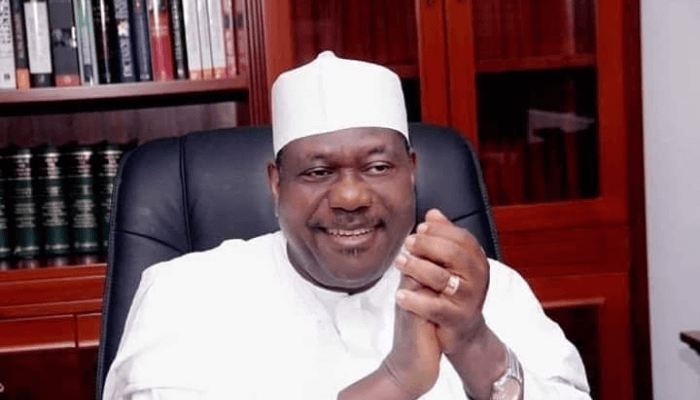
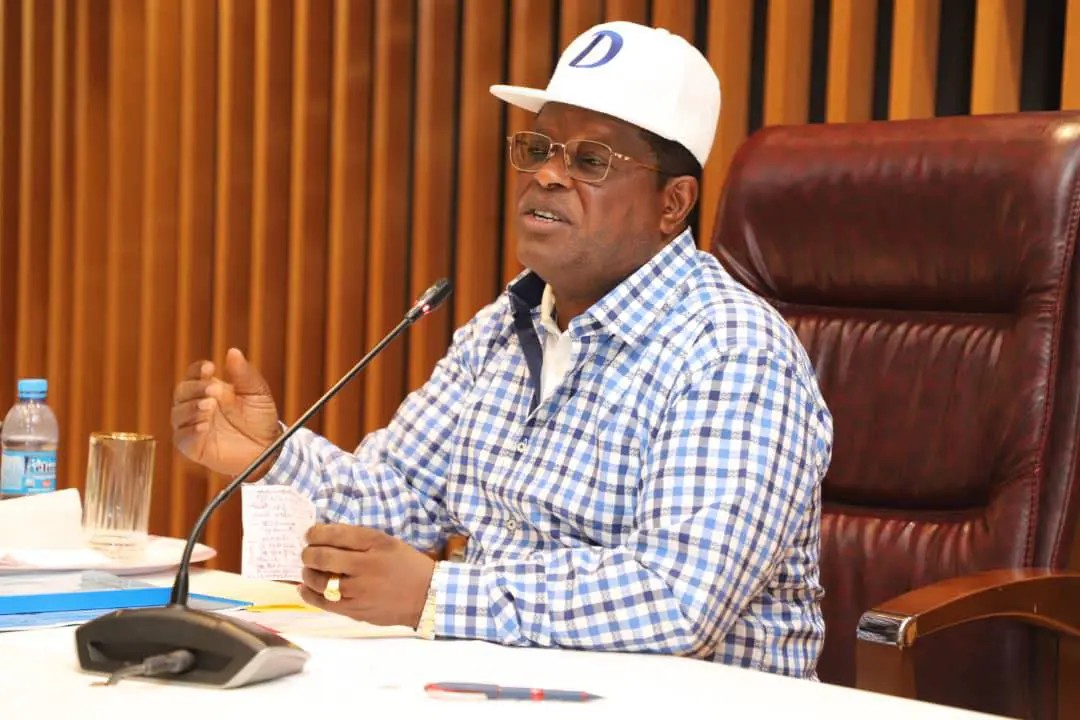
Engr. David Umahi has become a recognizable figure in Nigeria’s infrastructure space. He first gained attention as the Governor of Ebonyi State. Today, he influences federal projects as Nigeria’s Minister of Works. Across these roles, he has built a reputation for fast-tracking projects, resolving engineering bottlenecks, and pushing contractors to deliver results. As a result, several key projects have reached completion or entered final stages under his watch.
Transforming Roads in Ebonyi State
Umahi started many of his notable works in Ebonyi State. During his two terms as governor, he launched a road transformation program. Many internal roads in Abakaliki, Afikpo, Onueke, Ohaukwu, and other communities received concrete overlays. He preferred concrete because it lasts longer and reduces maintenance costs. The state also completed major inter-city roads such as the Abakaliki–Ikwo–Nkalagu corridor. These road projects improved movement of goods and opened rural areas to trade.
Furthermore, the government completed several flyovers, drainage systems, and urban renewal projects. These physical changes gave Abakaliki a cleaner outlook. They also reduced travel time within the capital city. Over time, this boosted commercial activities and helped investors move in with less hesitation.
Completion of the Ebonyi International Airport
Another major project that reached completion under Umahi’s leadership was the Ebonyi International Airport (also called Muhammadu Buhari International Airport). The airport project started as an ambitious idea to improve aviation access for the South-East region. As construction advanced, the runway, terminal building, control tower, and access roads took shape.
Eventually, test flights landed and took off successfully. This marked a major milestone for Ebonyi State, which previously lacked an aviation hub. The airport now supports business travel and medical flights. It also supports logistics and tourism. Shortly after completion, commercial airline operators began showing interest in scheduled flights. This signaled strong future potential for the facility.
Federal Road Rehabilitation Under Umahi as Works Minister
When Umahi became Minister of Works, many Nigerians watched closely. They wanted to see if he would bring his engineering style to the national level. He did not waste time. He called meetings with contractors, federal engineers, and concessionaires. He also toured key federal highways that had stalled for years. These included the Lagos–Ibadan Expressway, the Abuja–Keffi–Akwanga Road, and the Second Niger Bridge approach roads.
Under his watch, some projects moved from slow progress to completion. For example, the Second Niger Bridge’s connecting roads reached usable stages. The bridge itself had been commissioned earlier, but the finishing components needed attention. Umahi pushed contractors to finalize road links and ensure smoother vehicular access. As these links opened, transporters enjoyed reduced travel delays between Anambra and Delta States.
New Emphasis on Concrete Technology
Engr. David Umahi also championed concrete pavement for federal roads. He argued that asphalt fails faster under Nigeria’s climate and traffic conditions. Concrete, on the other hand, lasts longer and reduces long-term budget strain. Because of this, he directed contractors to adopt concrete for new highways such as the Lagos–Calabar Coastal Road. As sections of the road advanced, observers noted the durability benefits of the chosen design.
Impact on Nigeria’s Development
Many Nigerians still debate Umarhi’s style. However, the results of completed and near-completed projects are visible. Road users now enjoy smoother travel in parts of the South-East and South-West. Airports, flyovers, and highway linkages have improved connectivity. In addition, the shift toward concrete roads signals a new engineering direction for the country.
With these accomplishments, Engr. David Umahi has positioned himself as a major player in Nigeria’s infrastructure journey. Time will tell how far his engineering approach will take the nation, but completed projects already tell a compelling story.