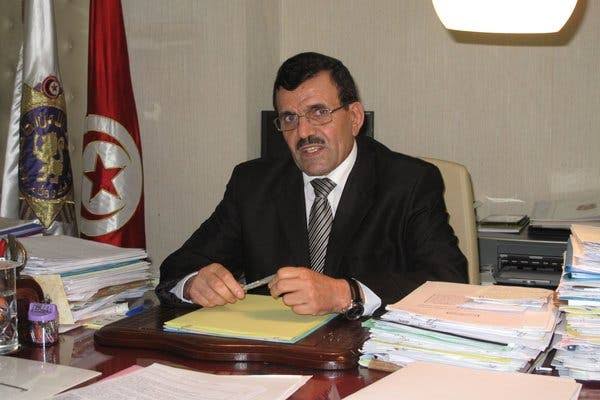
A Tunisian court on Friday sentenced former Prime Minister Ali Larayedh, a leading figure in the Ennahda party, to 34 years in prison. The charges relate to the alleged facilitation of Tunisian nationals traveling to Syria to join jihadist groups over the past decade, according to his legal representative.
Larayedh, who served as Prime Minister from 2013 to 2014, is a prominent member of Ennahda, an Islamist-leaning party that has become a primary opposition force to President Kais Saied.
The verdict arrives amidst a period of heightened political tension in Tunisia. Last week saw the detention of lawyer and vocal Saied critic Ahmed Souab, along with other prison sentences handed down to opposition figures, business leaders, and media personalities on charges of conspiracy. The state news agency TAP reported, citing a judicial source, that the sentences applied to eight individuals and ranged from 18 to 36 years.
These recent actions have drawn criticism from human rights organizations, who characterize them as a concerning escalation in the suppression of opposition voices. The Tunisian government has refuted these accusations, maintaining the independence of the judiciary.
Ennahda has consistently denied any involvement in facilitating the travel of individuals to join terrorist organizations. The party claims the charges are politically motivated, representing a broader crackdown on dissent since President Saied’s assumption of expanded powers in 2021, which included dissolving parliament and governing by decree.
“I was neither sympathetic, nor complicit, nor neutral, nor lenient toward violence, terrorism,” Larayedh stated to the judge on Friday, according to reports.
Larayedh has been in detention since 2022.
Following the 2011 Tunisian revolution, a significant number of Tunisians are believed to have travelled to conflict zones in Syria, Iraq, and Libya to join groups including the Islamic State. Ennahda, during its time in power, faced accusations of tacitly enabling this flow of foreign fighters, allegations the party vehemently denies. The long-term consequences of this period continue to shape Tunisia’s political landscape.