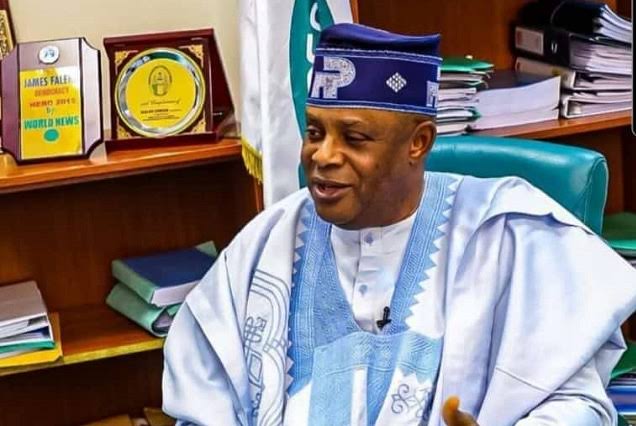
Hon. James Abiodun Faleke, the esteemed representative for Ikeja Federal Constituency in the House of Representatives, has unequivocally disavowed any connection to the highly debated Indigenous Bill presently under scrutiny within the National Assembly. Moving swiftly to quash circulating rumors and social media speculation, Faleke has made it clear that he neither supports nor has he co-sponsored this contentious piece of legislation.
In a definitive statement shared via his verified X (formerly Twitter) handle this Tuesday, Faleke branded all reports linking him to the controversial bill as “false and misleading.” His public declaration comes amidst a flurry of discussions surrounding the proposed legislation, which, given its “Indigenous” designation, likely touches upon sensitive issues of ethnic identity, rights, or resource allocation within Nigeria – topics that frequently ignite significant public debate and often face an uphill battle for broad acceptance.
Faleke acknowledged the intense online activity surrounding him, stating, “I have noticed a number of tags and mentions on my social media platforms regarding the proposed Indigenous Bill currently before the National Assembly.” He then delivered a firm, unambiguous denial: “Let me state categorically that I am not a co-sponsor of the Bill. Any suggestion to the contrary is entirely false and misleading.”
Further underscoring his resolute stance, Faleke did not merely deny involvement but also expressed a strong opinion on the bill’s viability. “I do not support the Bill, and I believe it stands no chance of being ratified by the states,” he asserted. This particular statement is highly significant, suggesting that the Indigenous Bill may be a constitutional amendment or a piece of legislation requiring ratification by a majority of Nigeria’s states to become law. Such a requirement implies a deep and widespread consensus is needed, making Faleke’s assessment of its slim chances a powerful indictment. His conclusion, “It is, therefore, unreasonable to suggest that I would align myself with such a proposal,” firmly positions him against the legislation and aims to put an end to speculation, clearly defining his non-involvement in a matter he deems destined for failure. Faleke’s proactive disassociation not only protects his political standing but also adds another layer of complexity to the ongoing legislative discourse surrounding the Indigenous Bill.