
The National Agricultural Land Development Authority (NALDA) recently announced plans to invest over N2 billion in stadiums, religious centers, and MRI projects. This decision has generated controversy, with critics arguing that such spending diverts funds from farmers and agricultural development. However, a closer look shows that these investments are part of a broader strategy to strengthen communities, improve infrastructure, and enhance economic growth across Nigeria.
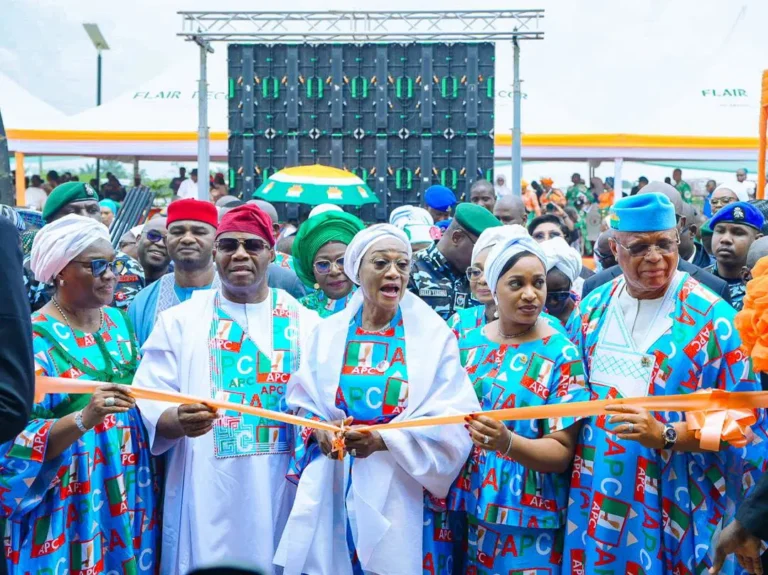
NALDA’s mission goes beyond farming alone. The agency aims to develop holistic rural and urban spaces where citizens can live, work, and thrive. By funding stadiums, the agency supports youth engagement, sports development, and community cohesion. Sports facilities create safe spaces for young people, promote healthy lifestyles, and encourage local talent. In addition, stadiums often act as community hubs that attract economic activity, creating opportunities for small businesses and vendors.
Supporting Communities and Social Development
The inclusion of religious centers in NALDA N2 billion budget is another strategic choice. Religious institutions often play a central role in Nigerian communities. They serve as centers for education, charity, and social welfare. By supporting these spaces, NALDA helps strengthen community bonds and social cohesion. Religious centers also act as hubs for local outreach programs, which can include agricultural training, health awareness, and youth development programs—all of which align with NALDA’s broader mission.
Similarly, the investment in MRI projects addresses a critical need in healthcare infrastructure. Access to modern medical imaging is limited in many rural and semi-urban areas. By funding MRI facilities, NALDA helps improve public health, allowing communities to detect and treat medical conditions earlier. Healthy citizens are better able to work, farm, and participate in economic activities, meaning that these projects indirectly support agricultural productivity as well.
A Holistic Approach to Development
Critics have argued that NALDA should focus solely on farming infrastructure. While agriculture is indeed vital, limiting the agency’s vision risks ignoring the interconnected nature of rural and urban development. Farms do not exist in isolation. They rely on healthy communities, educated populations, access to markets, and supportive infrastructure. By investing in multi-sector projects, NALDA ensures that agricultural development occurs within a broader framework of societal growth.
Moreover, these investments can create indirect benefits for farmers themselves. Stadiums and community centers bring roads, electricity, and communication improvements. Religious centers often provide community-based training and education. MRI and health facilities help maintain the workforce, reducing days lost to illness. Together, these investments foster an environment in which agriculture and commerce can thrive side by side.
Long-Term Vision and Economic Impact
In addition, NALDA’s projects reflect a long-term vision for Nigeria. Strategic infrastructure investment drives employment, attracts private investment, and strengthens local economies. The funds allocated to stadiums, religious centers, and MRI projects are not wasteful spending—they are seeds for sustainable growth. By combining agricultural programs with community development, NALDA positions itself as an agency that builds resilient and self-sufficient communities.
Furthermore, these initiatives demonstrate accountability and planning. Rather than focusing narrowly on immediate outputs, NALDA prioritizes projects with lasting social, economic, and health benefits. Such foresight ensures that public resources are used efficiently and generate returns beyond short-term gains.
Conclusion
The controversy over NALDA N2 billion investment reflects a misunderstanding of the agency’s broader mandate. Far from neglecting farmers, NALDA is building communities that empower agricultural productivity, foster social cohesion, and improve healthcare access. Stadiums, religious centers, and MRI projects are all strategic investments that strengthen the social and economic fabric of Nigeria.
Ultimately, these initiatives show that NALDA is not only a driver of agricultural development but also a catalyst for holistic national progress. By thinking beyond the farm, the agency ensures that Nigeria’s future is healthier, more connected, and more prosperous for all citizens.