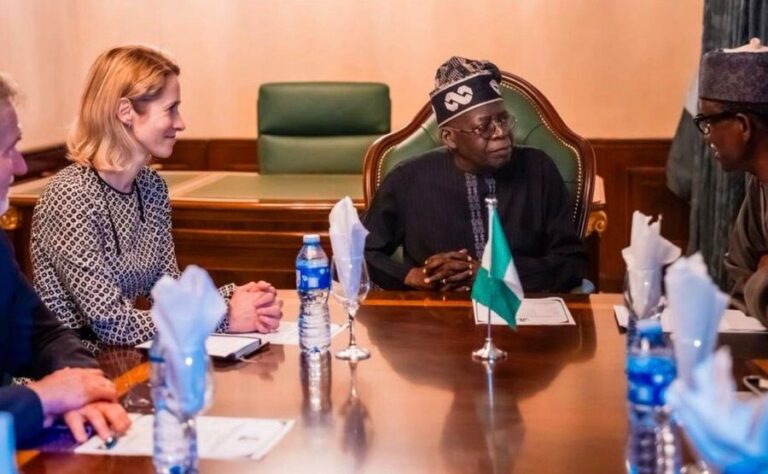
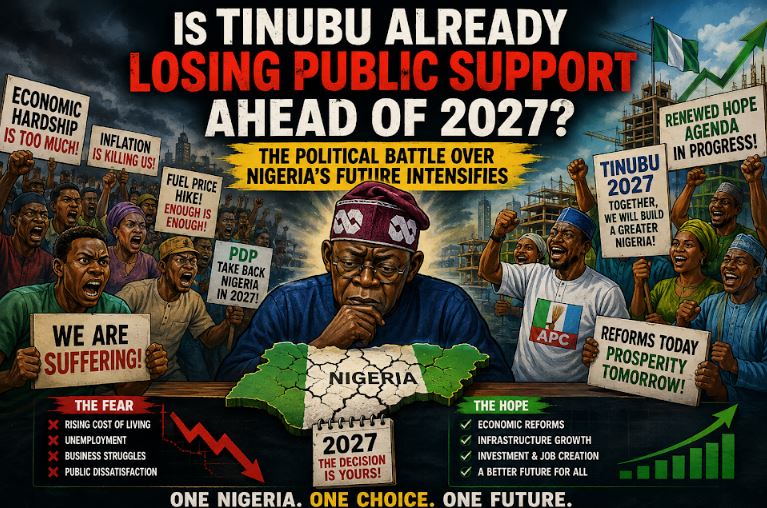
As Nigeria gradually moves closer to the 2027 general elections, political conversations surrounding Bola Ahmed Tinubu are becoming increasingly intense across social media, television debates, and public discourse.
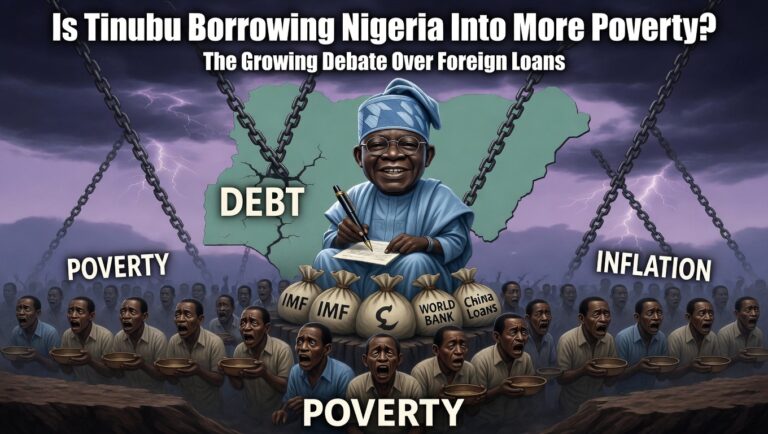
Much of the recent propaganda and political criticism targeting the president revolves around the economic reforms introduced under his administration, including fuel subsidy removal, currency reforms, and broader fiscal restructuring policies.
Opposition voices and online critics frequently portray the reforms as evidence that the administration is disconnected from the suffering of ordinary Nigerians. Rising inflation, increased transportation costs, and economic hardship have fueled narratives suggesting that public confidence in Tinubu may already be weakening ahead of the next election cycle.
These criticisms have created a politically charged atmosphere where nearly every government policy is now being interpreted through the lens of the coming 2027 elections.
Why Critics Believe Nigerians Are Losing Patience
Many Nigerians continue to express frustration over the immediate impact of ongoing economic reforms. Since the removal of fuel subsidies and changes within the foreign exchange market, citizens have faced rising costs of living, with food prices and transportation expenses becoming major public concerns.
Critics argue that while the government continues promising long-term economic recovery, ordinary Nigerians are carrying the painful burden of short-term adjustments without yet seeing significant relief.
This dissatisfaction has fueled online campaigns attempting to frame the Tinubu administration as economically insensitive or politically disconnected from grassroots realities.
For opposition groups, the growing hardship presents an opportunity to strengthen anti-government narratives ahead of future political contests.
Tinubu’s Supporters Say The Narrative Ignores Long-Term Goals
Despite the criticism, supporters of President Tinubu strongly defend the administration’s policies, arguing that many of the reforms were necessary decisions inherited from years of structural economic problems.
Government officials and presidential aides maintain that difficult choices were unavoidable if Nigeria hopes to achieve long-term financial stability, reduce wasteful spending, and attract stronger investment into the economy.
Supporters also argue that political opponents are exploiting temporary hardship to spread fear and discredit reforms that may eventually produce positive economic outcomes.
According to defenders of the administration, several economic measures introduced under Tinubu are designed to stabilize government finances, encourage local production, and create conditions for sustainable growth over time.
They insist that judging the administration solely based on short-term discomfort ignores the complexity of rebuilding a struggling economy.
The Role Of Social Media In Nigeria’s Political Narrative
One major factor intensifying the political climate is the growing influence of social media on public opinion. Political propaganda, misinformation, edited clips, and emotionally charged narratives now spread rapidly online, often shaping public perception before official clarifications emerge.
Supporters and critics of the Tinubu administration increasingly use digital platforms to push competing narratives about the president’s leadership, economic performance, and political future.
This has transformed social media into one of the central battlegrounds ahead of 2027.
Conclusion
While critics continue portraying President Tinubu’s reforms as evidence of failed leadership, supporters argue that the administration is implementing difficult but necessary policies intended to secure Nigeria’s long-term economic future.
The truth may ultimately depend on whether Nigerians begin to see measurable improvements in their daily lives before the next election cycle fully begins.
For Bola Ahmed Tinubu, the real political challenge may not simply be defeating opposition propaganda, but convincing citizens that today’s sacrifices will eventually lead to tomorrow’s stability and growth.
As the road to 2027 gradually unfolds, Nigeria’s political debate is likely to become even more intense, with economic realities continuing to shape public perception on both sides of the divide.