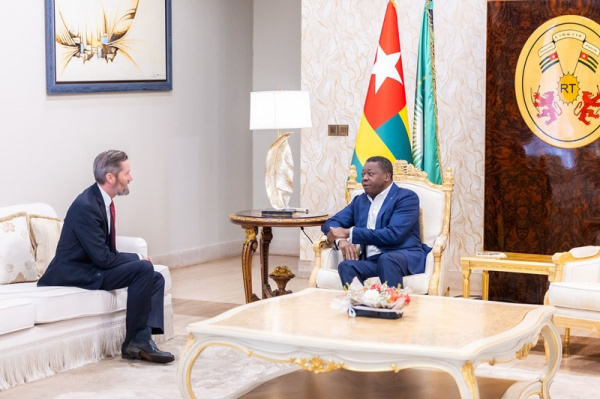
Lomé Peace efforts gained renewed momentum on Saturday, January 17, 2026, as Togo hosted a high-level diplomatic meeting focused on strengthening and harmonizing the peace process in the Democratic Republic of Congo and the wider Great Lakes region. The gathering marked another decisive step under Togo’s African Union-backed mediation aimed at restoring stability in one of Africa’s most fragile geopolitical corridors.
The meeting followed weeks of rising diplomatic consultations across Central and East Africa. Therefore, Lomé emerged as a strategic convergence point for dialogue. Togo’s role as mediator reflects growing continental trust in its balanced diplomacy and commitment to conflict resolution.
Importantly, the Lomé Peace session focused on coherence. Fragmented peace initiatives have long slowed progress in the Great Lakes region. Consequently, stakeholders used the platform to align positions, reinforce existing agreements, and establish a unified roadmap for implementation.
The Democratic Republic of Congo remains central to regional stability. Persistent tensions between Kinshasa and neighboring Rwanda, as well as the activities of armed groups in eastern Congo, continue to threaten humanitarian conditions and cross-border security. As a result, diplomatic coordination has become urgent rather than optional.
Through Lomé Peace mediation, Togo is helping bridge diplomatic gaps and sustain dialogue where mistrust previously stalled progress. Moreover, the African Union’s endorsement gives the process stronger legitimacy and continental backing.
Participants emphasized that peace in the Great Lakes cannot rely on isolated efforts. Instead, it requires synchronized political engagement, security cooperation, and sustained confidence-building. Therefore, the Lomé meeting sought to consolidate previous commitments while pushing for measurable actions.
Equally important, the talks addressed humanitarian dimensions. Conflict in eastern DRC has displaced millions and disrupted livelihoods across borders. Thus, reinforcing peace mechanisms directly supports civilian protection and regional recovery.
Togo’s diplomatic leadership stood out throughout the discussions. By providing neutral ground and structured engagement, Lomé Peace diplomacy continues to position Togo as a stabilizing voice in African mediation.
Furthermore, the meeting reaffirmed that regional peace drives economic integration. Stability unlocks trade, investment, and mobility across Central Africa. Consequently, leaders linked security progress to broader development outcomes.
Observers view the Lomé Peace dialogue as a critical checkpoint rather than a ceremonial gathering. It strengthens continuity, builds political will, and sustains pressure for implementation across all parties.
As the African Union deepens its mediation framework, Lomé Peace now represents an emerging pillar in continental conflict resolution architecture — one rooted in dialogue, coordination, and African-led solutions.
Ultimately, the January 17 meeting signals cautious optimism. While challenges persist, the consolidation achieved in Lomé strengthens the pathway toward lasting peace in the DRC and the Great Lakes region.