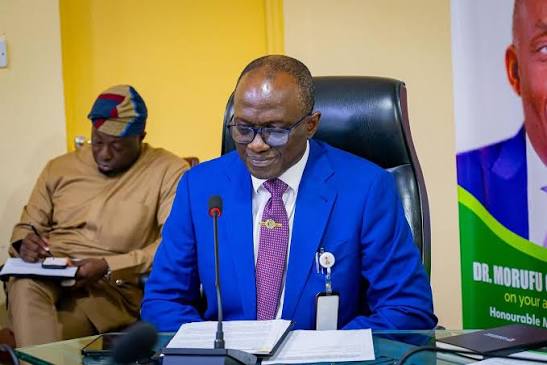
Nigeria’s renewed commitment to mineral security is entering a decisive phase as the Office of the National Security Adviser (ONSA) convened the inaugural coordination meeting on strengthening the nation’s response to criminal and terrorist financial flows within the mineral sector. The gathering, held on 3 December 2025, reflected a unified national determination to block illicit networks, protect strategic resources, and reinforce the foundations of economic stability. This forward-looking collaboration marks a major shift toward a smarter, more coordinated security framework that recognises how financial disruption can weaken criminal enterprises faster than force alone.
During the meeting, Maj Gen AG Laka underscored the urgency of this national mission. He noted that protecting the country’s mineral wealth is not only a financial obligation but a patriotic responsibility that cuts across security, governance and sovereignty. His message resonated strongly because mineral-sector crimes have evolved into complex threats that drain public resources, empower violent groups and erode state authority. These challenges demand a new strategy grounded in collaboration, intelligence and digital innovation. Consequently, the meeting created a platform where agencies could merge insights, share tools and chart a unified path forward.
The mineral sector, with its vast deposits of gold, lithium, gemstones and other high-value resources, has long attracted criminal organisations that exploit weak oversight and fragmented regulation. These networks rely on illicit supply chains, informal traders and sophisticated financial channels to launder proceeds and fund destabilising activities. Therefore, tightening the financial-surveillance ecosystem is essential for long-term national stability. By aligning regulatory agencies, security institutions and financial-intelligence units, Nigeria is building a protective shield that addresses crimes from multiple angles.
Additionally, the coordination meeting advanced a strategic shift toward digital monitoring tools that improve visibility across mining corridors. Satellite imagery, automated reporting systems and real-time financial-tracking platforms offer a clearer picture of suspicious activities. These innovations help detect hidden mining sites, identify irregular transactions and expose shell companies used to disguise criminal profits. With these insights, enforcement teams can respond faster, disrupt networks earlier and reduce opportunities for criminal infiltration.
Moreover, this new framework supports a more inclusive approach that protects legitimate miners and community-based operators who often bear the brunt of illegal activities. Many of these communities depend on mining for survival yet face intimidation, environmental damage and unfair competition from illicit actors. By strengthening oversight and promoting transparent practices, the government is creating a safer environment where lawful businesses can thrive and contribute meaningfully to national revenue. This inclusive model promotes growth while aligning mineral development with national security priorities.
The initiative also reinforces Nigeria’s commitment to global counter-terror-finance standards. Criminal groups do not operate in isolation; they link with international partners, move funds across borders and exploit gaps in global oversight. Therefore, Nigeria’s emphasis on inter-agency coordination and international cooperation positions the country as a proactive participant in global security conversations. The meeting’s outcomes show that Nigeria is not only reacting to threats but also shaping future norms that prioritise accountability and shared responsibility.
Furthermore, the collaboration enhances transparency by ensuring that oversight institutions remain aligned with national goals. Mineral-sector regulation must evolve as threats evolve, and this meeting demonstrates a willingness to review frameworks, update processes and build a system capable of resisting internal and external pressure. This commitment signals confidence to investors, strengthens regulatory institutions and establishes a culture of continuous improvement.
As Nigeria faces complex economic and security challenges, the focus on mineral security provides a clear pathway toward resilience. It strengthens national defences, protects communities and reinforces the country’s long-term development agenda. The meeting’s message was clear and compelling: Nigeria will follow the money, expose criminal networks and defend its mineral wealth with renewed precision and unified purpose.