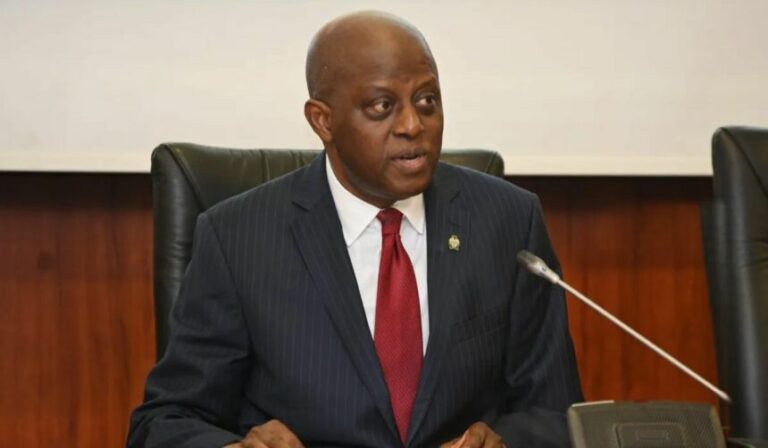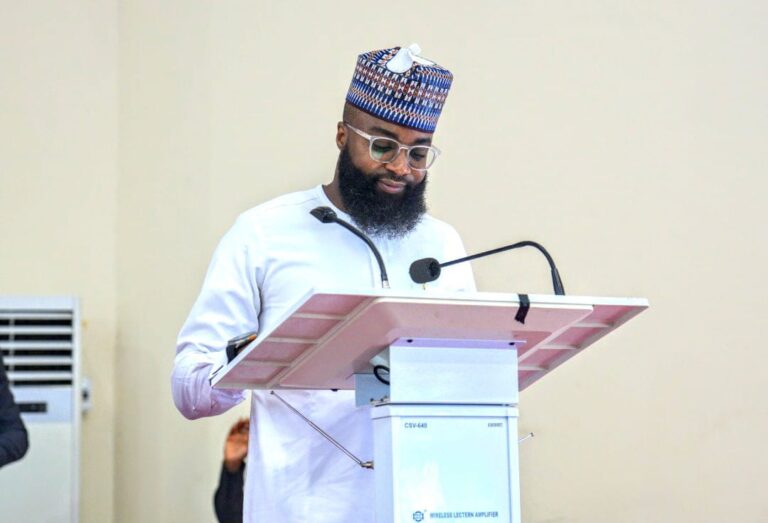

Dr. Kingsley Udeh, SAN, Nigeria’s Minister of Innovation, Science and Technology, met with Defence Minister Gen. Christopher Musa (rtd.) to advance collaborations that harness science and technology for national security. The meeting focused on practical steps to deepen defence‑industry linkages and build domestic technical capacity.
Minister Kingsley Udeh: priorities and vision
Dr. Kingsley Udeh stressed a national strategy that places homegrown innovation at the centre of security solutions. He argued that Nigeria must reduce reliance on imported systems by growing local research, prototyping, and manufacturing. Udeh highlighted plans to align university research, NASENI facilities, and private tech hubs with defence needs.
Udeh emphasised rapid prototyping hubs and joint research projects to develop drones, surveillance systems, and resilient communications. He framed these initiatives as dual‑use technologies that also support disaster response, border monitoring, and critical infrastructure protection.
Building domestic capacity
A major focus for Udeh is workforce development. He proposed specialised training programs for engineers, technicians, and cybersecurity experts tailored to defence applications. These programs would combine academic coursework with hands‑on apprenticeships at defence and industrial facilities.
Udeh also called for incentives to attract private firms into defence supply chains. He recommended tax breaks, innovation grants, and clear procurement pathways that reward Nigerian suppliers who meet performance standards. This approach intends to stimulate small and medium enterprises to scale into defence manufacturing.
Technology transfer and research ties
Dr. Kingsley Udeh proposed formal technology‑transfer frameworks to move lab prototypes into deployable systems. He advocated stronger ties between the Ministry, research institutes, and international partners for supervised knowledge exchange. Where appropriate, Udeh favours co‑development agreements that preserve Nigeria’s intellectual property and build local design expertise.
He flagged the potential role of NASENI, FutureMakers, and university maker spaces in accelerating prototyping and testing. These institutions can reduce lead times and lower costs by consolidating testing facilities and shared tooling.
Cybersecurity and digital resilience
Udeh underscored cybersecurity as a national priority. He urged the defence ministry to collaborate on national standards for secure communications and critical‑infrastructure protection. Plans include joint exercises, threat‑sharing protocols, and investment in local cryptography and secure‑software development teams.
The minister advocated public‑private partnerships to build cyber‑incident response capabilities and to train incident handlers across government and industry.
Funding and procurement reforms
To sustain innovation, Udeh called for predictable funding streams for defence‑relevant research. He recommended a blend of annual budget lines, competitive grants, and matched private investment. On procurement, Udeh urged clear timelines and performance‑based contracts to reassure local manufacturers and reduce delays that undermine domestic suppliers.
He also suggested pilot procurement projects to validate local systems before wider adoption, providing a market signal for scale‑up.
Strategic outcomes and regional leadership
Dr. Kingsley Udeh framed the technology‑defence agenda as a route to regional leadership in defence innovation. He argued that Nigeria can become a hub for West African security solutions by exporting tested, affordable systems and by training regional partners. Such leadership can deepen diplomatic ties and open markets for Nigerian firms.
Backstory: why the push matters
Previous reliance on imports slowed deployment and raised costs for defence hardware. Udeh’s push responds to repeated calls for self‑reliance and for turning Nigeria’s science base into industrial capability. The minister’s proposals build on existing institutions while aiming to close gaps between research and production.
Conclusion and next steps
Dr. Kingsley Udeh ended the meeting with a clear roadmap: establish prototype hubs, launch targeted training cohorts, reform procurement to favour capable local suppliers, and seed collaborative R&D projects. He pledged follow‑up working groups with the Defence Ministry to convert policy into concrete pilot projects. If implemented, Udeh’s agenda could strengthen national security while expanding Nigeria’s tech industry and job market.