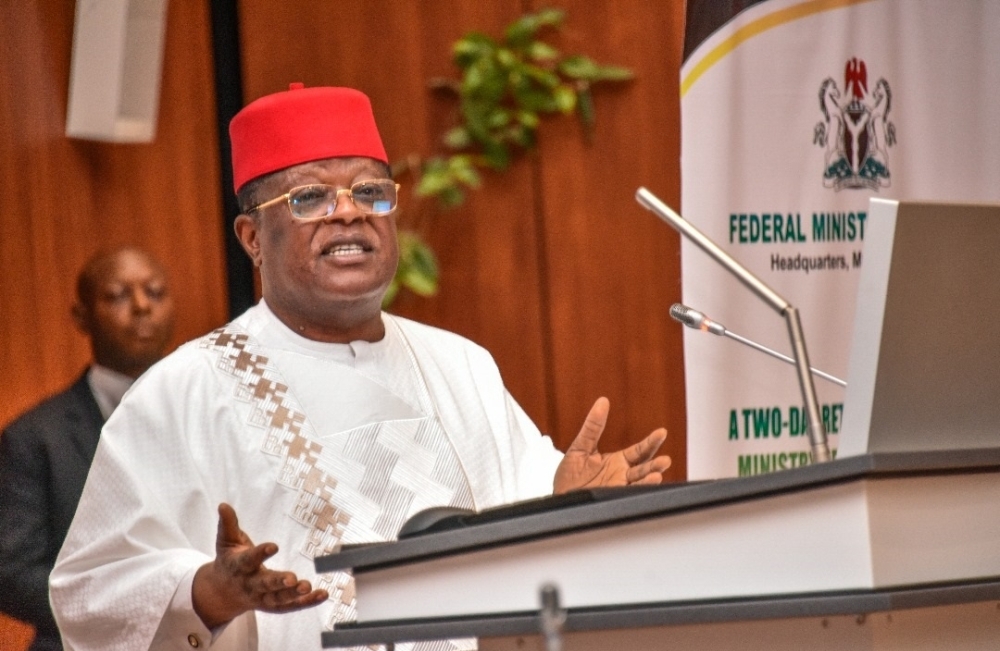
Nigeria’s push for coastal progress is gaining renewed energy as the Federal Ministry of Works intensifies efforts on transformative national infrastructure. Senator David Umahi has reinforced this momentum with a bold vision for the Lagos–Calabar Coastal Highway, outlining features designed to improve mobility, strengthen public safety, and unlock sustainable economic benefits.
During his inspection of the Calabar–Itu Road and key sections of the 71.4-kilometre stretch of the 750-kilometre highway, Umahi stressed that modern infrastructure must deliver more than connectivity. He explained that new public investments must serve citizens with speed, security, and resilience. The Lagos–Calabar route aims to embody these principles.
The minister confirmed that the highway will include dedicated relief stations along its corridors. These stations will offer rest points, emergency response support, and essential services for commuters, traders, and logistics operators. He emphasised that every relief point will serve as a safe shelter for travellers and a vital node for rapid assistance.
Additionally, Umahi announced that solar-powered lighting will illuminate the entire route. This feature reflects the ministry’s determination to improve night travel and strengthen environmental sustainability. The lighting system will support long-distance haulage, improve visibility, and enhance general user confidence. He noted that this renewable-energy approach aligns with Nigeria’s broader climate-responsible development agenda.
Furthermore, advanced CCTV cameras will monitor the highway. The surveillance network will help security teams maintain immediate awareness of movement across the corridor. Umahi stated that the goal is clear: no crisis should linger without an efficient response. He added that every incident must receive attention within ten minutes, reinforcing government dedication to timely interventions.
Consequently, the project is positioned as a national model for next-generation road engineering. The minister described the corridor as an economic spine that will open new coastal markets, energise tourism, and stimulate trade expansion across the region. He highlighted that communities along the route will gain new economic windows and improved connectivity to national value chains.
Umahi praised the contractors working on the project and urged them to maintain global standards. However, he also reaffirmed that the government will not hesitate to apply strict sanctions when performance falls below expectations. He explained that every contract must support national advancement and honour the trust placed in the ministry.
Moreover, he stressed that the highway has already attracted interest from investors seeking stable logistics routes. He noted that foreign and domestic partners now watch Nigeria with renewed optimism because critical projects are moving forward with discipline and purpose.
The inspection also highlighted progress on the Calabar–Itu Road, where reconstruction activities continue with strong oversight. Umahi commended the teams for consistent effort, insisting that Nigerians deserve fast, durable, and safe infrastructure. He added that long delays and weak project delivery no longer fit the national agenda.
With these assurances, the minister reinforced that coastal progress is not a slogan. It is a structured plan anchored on safety, speed, and long-term economic renewal. The Lagos–Calabar Coastal Highway now stands as a symbol of Nigeria’s rising infrastructure ambition and a promise of stronger national mobility.