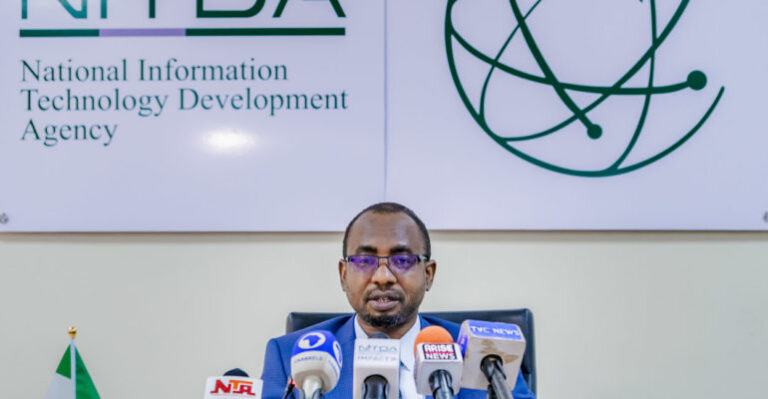
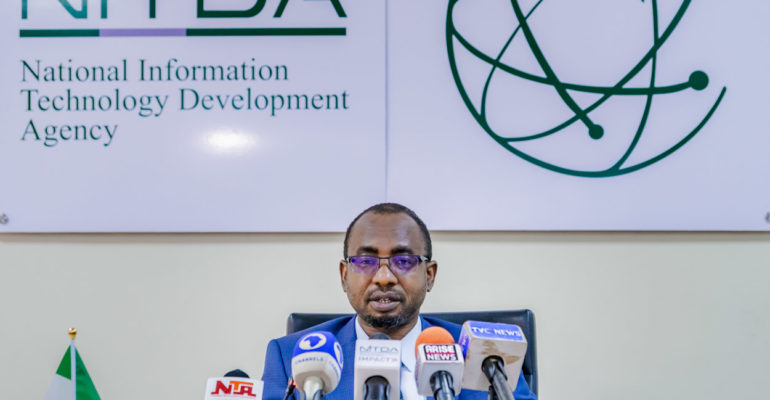
The Federal Government of Nigeria has reaffirmed its commitment to developing a responsible, inclusive, and sovereign artificial intelligence (AI) ecosystem. The initiative aims to shift Nigeria from being a passive consumer of AI technologies to becoming an architect and builder of indigenous AI systems.
According to officials, this strategy is part of the broader national digital economy agenda. The government seeks to ensure that AI adoption aligns with local priorities while creating opportunities for innovation, job creation, and technological independence.
Promoting Responsible AI
The government emphasized that building a responsible AI ecosystem requires clear ethical guidelines, transparency, and accountability. By focusing on responsible development, Nigeria aims to avoid misuse of AI and ensure that emerging technologies benefit society as a whole.
Officials also highlighted the importance of addressing risks such as bias, data privacy concerns, and the societal impact of automation. By establishing national standards, Nigeria intends to guide AI innovation in ways that uphold human rights and promote equitable outcomes.
Encouraging Inclusive Participation
Inclusivity remains a core principle of Nigeria’s AI strategy. The government aims to involve diverse stakeholders, including local tech startups, research institutions, universities, and industry leaders. By doing so, AI development will reflect Nigeria’s unique social, cultural, and economic context.
In addition, special attention will be given to empowering young innovators and female technologists. This approach ensures that the workforce driving AI innovation represents the population it serves.
Building Indigenous AI Capabilities
Central to the plan is creating local capacity to design and deploy AI systems. The government seeks to foster homegrown talent capable of developing software, algorithms, and AI-driven solutions tailored to Nigeria’s needs.
By investing in research, training, and innovation hubs, Nigeria aims to reduce dependence on imported technologies. This will also enhance the country’s competitiveness in the global AI landscape while creating economic opportunities for local developers and entrepreneurs.
Strengthening Governance and Collaboration
The government has also called for strong coordination between regulatory bodies, technology firms, and academic institutions. By working together, stakeholders can develop policies, standards, and infrastructure that support a sustainable AI ecosystem.
Furthermore, Nigeria plans to engage with international partners to share knowledge while maintaining technological sovereignty. The goal is to benefit from global expertise without losing control over local AI development and data resources.
Moving Towards an AI-Driven Future
Ultimately, the government’s commitment signals a transformative vision for Nigeria. By building a responsible, inclusive, and sovereign AI ecosystem, the country aims to become a leader in Africa’s technology sector.
This initiative positions Nigeria not only as a consumer of AI innovations but also as a creator and exporter of AI solutions, contributing to economic growth, social development, and global technological leadership.