Nigeria is taking a decisive step toward shaping its digital future as the Federal Government moves to regulate the adoption and use of Artificial Intelligence across the country. The National Information Technology Development Agency, NITDA, confirmed that the planned framework will form part of the National Digital Economy and E-Governance Bill, which the National Assembly is expected to pass by March 2026.
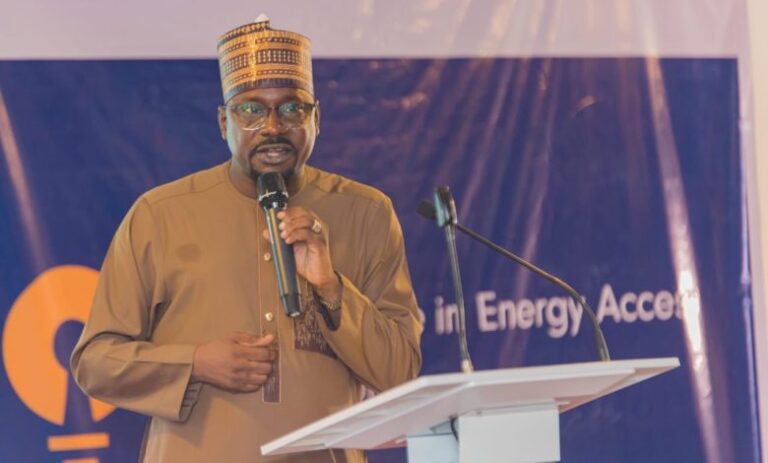
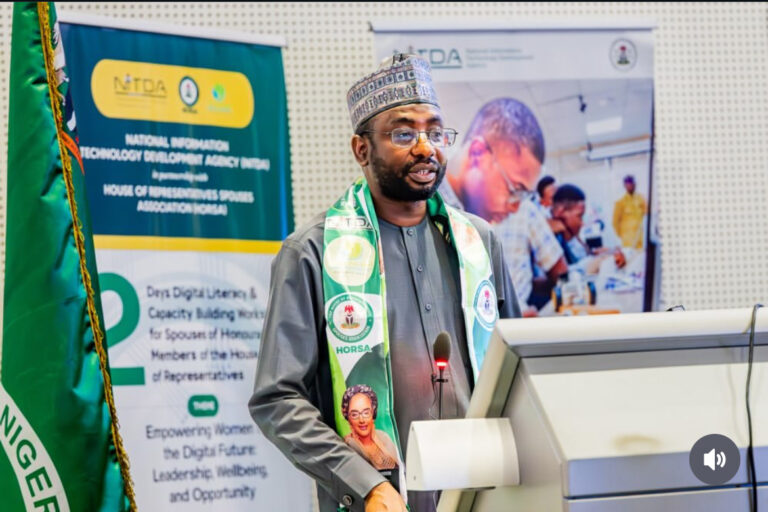
The Director-General of NITDA, Kashifu Inuwa Abdullahi, explained that the new legislation will provide clear rules to guide how AI technologies are developed, deployed, and used within Nigeria. This move signals that Nigeria no longer wants to remain only a consumer of global technologies. Instead, the country now aims to shape how emerging digital tools operate within its own social, economic, and legal environment.
Across the world, governments now recognize that Artificial Intelligence brings enormous opportunities as well as serious risks. While AI can improve healthcare, boost financial services, strengthen agriculture, and modernise public administration, it can also threaten privacy, enable fraud, and widen inequality when left unchecked. Nigeria’s decision to regulate AI reflects a growing awareness that innovation must go hand in hand with responsibility.
Through the Digital Economy and E-Governance Bill, Nigeria seeks to strike a balance between encouraging innovation and protecting citizens. The proposed law will create a national framework that defines acceptable use, safeguards data, and sets ethical standards for AI systems. This means developers, startups, multinational firms, and government agencies will all operate under a single, predictable set of rules.
Kashifu Abdullahi has consistently argued that Nigeria must not copy foreign models blindly. Instead, the country needs policies that reflect local realities. From financial inclusion to digital identity, Nigeria’s digital ecosystem faces unique challenges. AI tools must therefore work for the Nigerian people, not against them. With proper regulation, AI can support small businesses, help government agencies deliver better services, and allow Nigerian innovators to compete globally.
Importantly, the bill also fits into Nigeria’s broader digital transformation agenda. The Federal Government has already rolled out initiatives in digital identity, e-government platforms, fintech, and data protection. Regulating AI now adds another strong layer to that ecosystem. It ensures that as more Nigerian companies build AI-driven products, they do so in a way that respects human rights, security, and transparency.
For investors and global partners, this move also sends a powerful signal. A clear regulatory framework reduces uncertainty. It tells technology firms that Nigeria is serious about building a stable, well-governed digital market. That confidence can attract more investment into AI research, software development, and advanced digital services.
For citizens, the benefits are equally important. Regulation will help prevent misuse of AI in areas such as facial recognition, automated lending, and data profiling. It will also create channels for accountability when technology causes harm. In a digital society, trust becomes as important as innovation, and this new law aims to protect both.
As March 2026 approaches, all eyes will be on the National Assembly as it debates and passes the Digital Economy and E-Governance Bill. Once enacted, Nigeria will join a growing group of nations that actively govern artificial intelligence rather than react to its consequences.
By choosing regulation over chaos, Nigeria is laying the foundation for a future where technology supports growth, inclusion, and national development. Under NITDA’s leadership, the country is positioning itself not just to use AI, but to use it wisely, safely, and in a way that serves the public good.