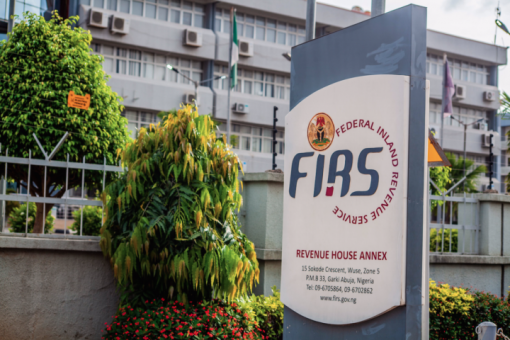
Nigeria has taken a decisive step toward modern revenue administration with the unveiling of the Nigeria Revenue Service (NRS) institutional brand identity. This milestone officially marks the transition from the Federal Inland Revenue Service to the newly established national revenue authority. More importantly, it signals a broader reform agenda focused on efficiency, trust, transparency, and sustainable economic growth under the leadership of President Bola Ahmed Tinubu.
The launch of the NRS brand identity goes beyond a change of name or logo. Instead, it reflects a renewed national commitment to rebuilding confidence in revenue institutions. It also reinforces the government’s resolve to modernise tax administration and strengthen fiscal capacity. Through this transition, Nigeria positions itself to meet rising development demands while supporting inclusive growth across sectors.
At the heart of this reform lies a clear objective. Nigeria seeks to create a revenue authority that is agile, technology-driven, and responsive to citizens and businesses. The NRS brand embodies this vision. It projects professionalism, accountability, and service excellence. These values align with the broader economic reforms championed by President Tinubu since the start of his administration.
Moreover, the transition responds to long-standing challenges within revenue collection and administration. Over the years, Nigeria faced gaps in compliance, data integration, and public trust. Therefore, the creation of the NRS introduces a fresh institutional culture designed to close these gaps. It emphasises efficiency, fairness, and collaboration with stakeholders at every level.
In addition, the new identity supports the implementation of the National Revenue Service Act, which takes effect in January 2026. This legal framework provides the foundation for a unified and coordinated revenue system. As a result, the NRS will oversee improved tax administration, stronger enforcement, and better coordination with security agencies and other regulators. These measures aim to reduce evasion while protecting national revenue assets.
Technology also sits at the centre of the NRS vision. The Service plans to deepen digital transformation across operations. This approach will improve data management, automate processes, and enhance taxpayer services. Consequently, businesses and individuals can expect clearer procedures, faster responses, and improved access to information. Such reforms encourage voluntary compliance and reduce friction within the tax system.
Furthermore, the unveiling of the brand identity reflects a shift in how the government engages taxpayers. The NRS intends to move from a purely enforcement-focused model to a service-oriented approach. Through education, digital tools, and transparent communication, the Service seeks to build long-term partnerships with taxpayers. This strategy recognises that sustainable revenue growth depends on trust and shared responsibility.
The new identity also aligns with Nigeria’s broader economic diversification goals. As oil revenues fluctuate, non-oil revenue mobilisation becomes increasingly critical. Therefore, the NRS will play a central role in expanding the tax base and supporting sectors such as technology, manufacturing, agriculture, and services. By doing so, it strengthens fiscal resilience and reduces dependence on volatile income sources.
Equally important, the reform underscores the administration’s commitment to institutional renewal. President Tinubu has repeatedly emphasised the need to rebuild public institutions to serve national development effectively. The NRS transition fits squarely within this agenda. It demonstrates how policy, law, and institutional culture can align to deliver measurable impact.
Stakeholders across the public and private sectors have welcomed the development. Many see the NRS as an opportunity to reset relationships and improve compliance outcomes. With clear rules, predictable systems, and modern tools, businesses can plan better and invest with greater confidence. In turn, government can mobilise resources needed for infrastructure, education, healthcare, and social development.
Ultimately, the unveiling of the Nigeria Revenue Service brand identity marks more than an administrative reform. It represents a strategic shift toward a stronger, smarter, and more accountable revenue system. As the transition progresses, expectations remain high. Nigerians look forward to a Service that reflects integrity, innovation, and national purpose.
Through the NRS, Nigeria signals readiness to embrace modern governance and fiscal responsibility. The journey continues, but this milestone sets a clear direction. A new era for revenue administration has begun, and with it comes renewed hope for sustainable national progress.