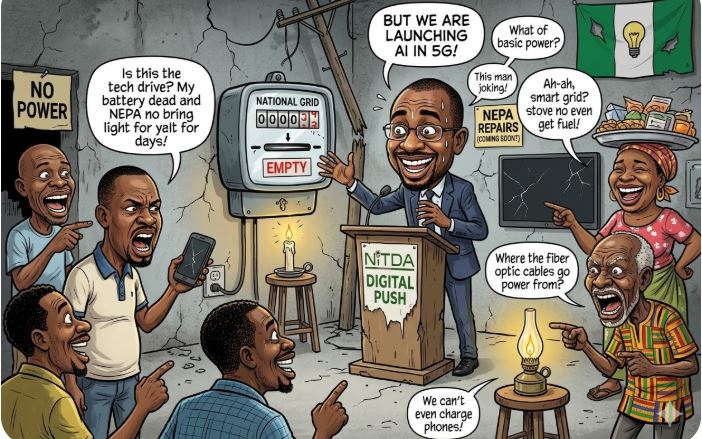
Many Nigerians have reacted with skepticism after NITDA unveiled a digital initiative to unlock the country’s creative economy. Critics ask: how can a nationwide digital push succeed when power supply is unreliable, and many areas still struggle with daily electricity? The concern is simple digital tools need light and steady power to work.
Why People Are Doubting the Plan
- Poor Power Supply: In many parts of Nigeria, frequent outages and limited hours of electricity are normal. Creatives who depend on studios, editing suites, and online platforms need constant power to produce and deliver work.
- Cost of Running Digital Workspaces: Where electricity is scarce, creatives must buy generators or expensive solar setups. That raises production costs and keeps many small creators out of the market.
- Infrastructure Gaps: Beyond power, some areas lack fast internet, reliable broadband, and affordable data, all essential for a digital creative sector to thrive.
- Seen as Out of Touch: For many ordinary Nigerians, launching a high-tech program while households still queue for light can feel like a policy that misses the day-to-day realities on the ground.
What NITDA Says and the Case for the Digital Initiative
NITDA’s plan aims to digitize the creative and arts industry from music and film to fashion and visual arts by providing training, tools, standards, and platforms to help creators reach global markets. Supporters argue that digital transformation is necessary for long-term growth, job creation, and for Nigeria to remain competitive in the global creative economy.
A key defence of the initiative points to the presidency’s recent commitments to improve national power supply. The federal government has announced plans and investments designed to expand generation, strengthen distribution networks, and push for more renewable energy solutions. Those promises matter here because:
- Planned Power Investments: Government projects and private partnerships are meant to add generation capacity and upgrade infrastructure that could reduce outages over time.
- Renewable Energy Push: Bigger support for solar and off-grid solutions part of national policy can help creatives access sustainable power without relying only on the national grid.
- Linking Digital and Power Policy: If NITDA’s program is coordinated with energy reforms, the two could reinforce each other: more power enables digital work, while a growing creative sector boosts demand for reliable electricity, making investment more attractive.
Can NITDA’s Plan Work Now — Or Is It for the Future?
The real test is in implementation. Critics are right to demand realism: rolling out digital tools without addressing power and broadband will leave many creators behind. But the NITDA Digital Program may still make sense if it includes immediate, practical measures such as:
- Support for Off-Grid Power: Grants or subsidies for solar kits and battery storage for small creative hubs so they can work uninterrupted.
- Localized Hubs: Setting up powered creative centers in regions with adequate infrastructure where artists can access tools, training, and high-speed internet.
- Phased Rollout: Start in major cities where infrastructure is better, then expand alongside energy and broadband upgrades.
- Partnerships with Power Providers: Tie funding and training to specific energy projects so communities see both digital and power benefits together.
What Nigerians Want to See
- Clear link between the digital push and concrete steps to improve electricity access.
- Transparency on how resources will help small creators afford power and data.
- Fast, visible wins — like powered creative hubs, equipment grants, or subsidized solar solutions for artists.
- Measurable targets showing how many creators will be trained, how many jobs created, and where projects will be located.
Bottom Line – NITDA Digital Push
NITDA digital initiative for the creative economy is an important idea but many Nigerians are right to question its timing while power remains unreliable for millions. The plan can only win public trust if it is tied to real, practical energy solutions and phased in a way that reaches those who need it most. If the agency and the presidency deliver both electricity and digital support together, the creative sector could indeed grow but until then, skeptics will keep asking whether the initiative is bold policy or simply wishful thinking.