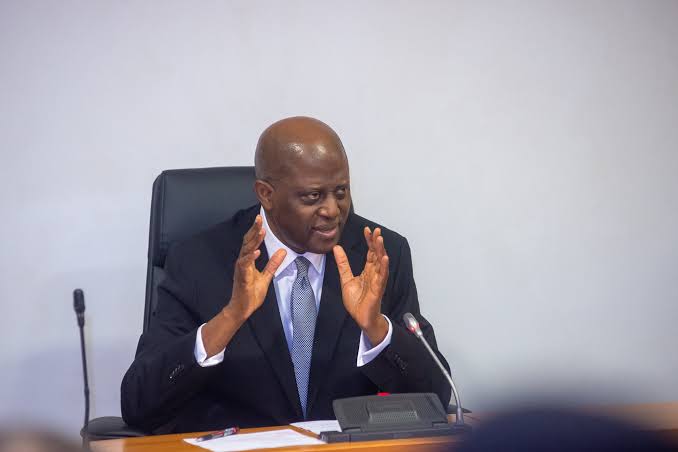
The recent statement by the Governor of the Central Bank of Nigeria, Yemi Cardoso, has drawn wide attention. He announced that inflation is easing, the exchange rate is stabilising, and foreign reserves have climbed to a seven-year high. He expressed confidence that Nigeria now moves toward stronger macroeconomic stability. However, behind these encouraging indicators lies a more complex national picture. Many citizens still confront economic strain each day. Therefore, the optimistic message requires a deeper look to understand the full context.
Cardoso explained that headline inflation dropped to 16.05 percent. He also noted that food inflation eased to 13.12 percent. These figures suggest progress. Moreover, he highlighted that the nation’s foreign reserves now stand at $46.7 billion. This level indicates stronger external buffers and improved investor confidence. The exchange rate has also shown increased stability. Consequently, he argued that reforms are beginning to yield visible results.
Although these signs appear positive, daily life presents another reality. Prices remain high across several essential markets. Many households still struggle to meet rising food costs. Transport fares continue to increase because of higher fuel prices. Therefore, many Nigerians do not yet feel relief. Workers face shrinking purchasing power. Small business owners also struggle with rising operational costs. These pressures create a disconnect between official numbers and lived experience.
Furthermore, the private sector continues to face tough conditions. Many companies find it difficult to access affordable credit. High interest rates limit expansion plans and slow production. Entrepreneurs also navigate supply chain disruptions that affect output and profits. Because of this, several firms delay new investments. This environment reduces business confidence despite the more stable indicators highlighted by the Central Bank.
Additionally, families continue to adjust their spending habits. They reduce consumption, postpone essential purchases, and prioritise survival. School fees, medical bills, and food prices place heavy pressure on daily budgets. Consequently, many households feel overwhelmed. These concerns shape the national mood and influence trust in the government’s reform agenda.
Nevertheless, the current moment presents a chance to address these challenges. With coordinated policies, Nigeria can move toward sustainable stability. Stronger collaboration between fiscal and monetary leaders can reduce policy shocks. Better support for local producers can increase jobs and strengthen food supply. Improved logistics can lower the cost of goods nationwide. Therefore, the country can build momentum if leaders sustain discipline and accountability.
Moreover, rising reserves offer room for well-targeted economic measures. If managed carefully, they can support critical sectors and protect vulnerable groups. A more stable exchange rate can also create a foundation for stronger investor confidence. However, transparency and consistent communication will remain essential. Nigerians want progress they can feel, not just numbers they can hear.
Ultimately, Nigeria stands at a complex economic turning point. Encouraging indicators point toward potential stability. Yet daily struggles reveal the depth of existing challenges. With clear leadership, disciplined implementation, and honest engagement, the country can transform cautious optimism into real improvement. Therefore, the next steps will determine whether Nigeria turns this moment into meaningful progress for all.