The Nigerian maritime sector is currently witnessing a massive surge in indigenous participation and fiscal growth. NIMASA, the Nigerian Maritime Administration and Safety Agency, has announced an ambitious revenue target of ₦724bn Revenue in 2026. This projection comes as the agency intensifies its efforts to automate processes and expand the national fleet. Consequently, the maritime industry is set to become a primary driver of Nigeria’s non-oil economy.
60 Shipowners Seek CVFF Access
No fewer than 60 indigenous shipowners have formally applied to access the Cabotage Vessel Financing Fund (CVFF). This fund is designed to empower local players by providing low-interest loans for vessel acquisition. By increasing the number of Nigerian-owned ships, NIMASA aims to reduce the dominance of foreign vessels in coastal trade. This shift will create thousands of jobs for local seafarers and engineering professionals.
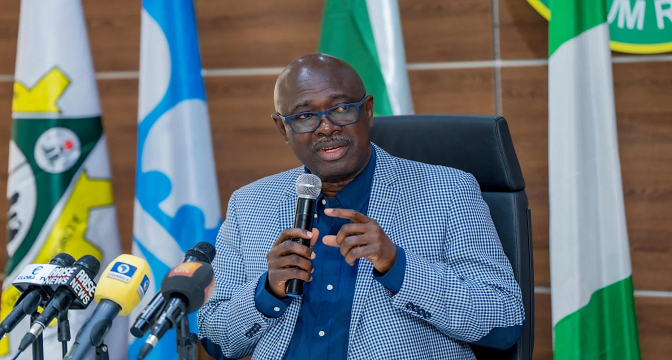
The Director-General of NIMASA, Dayo Mobereola, has emphasized that the disbursement process will be transparent and merit-based. The agency is working closely with Primary Lending Institutions (PLIs) to ensure that the funds reach genuine investors. This financial intervention is a key part of the “Blue Economy” strategy championed by the federal government.
Strategic Revenue Growth in 2026
The goal of achieving ₦724bn Revenue in 2026 is backed by several institutional reforms. NIMASA has moved toward a fully digitalized registration and certification system to eliminate leakages. This automation allows for real-time tracking of maritime activities and faster collection of statutory levies. Furthermore, the agency is expanding its reach into deep-sea operations to capture more revenue from international shipping.
Improved enforcement of the Cabotage Act has also contributed to this fiscal outlook. By ensuring that only licensed vessels operate within Nigerian waters, the agency protects local interests while boosting its income. The projected revenue will be channeled into maritime infrastructure and the development of specialized training academies.
Enhancing Maritime Safety and Security
Security remains a top priority for achieving the ₦724bn Revenue in 2026 target. The Deep Blue Project has significantly reduced incidents of piracy and sea robbery in the Gulf of Guinea. This improved security profile has led to a reduction in “War Risk Insurance” premiums for ships entering Nigerian ports. As a result, Nigeria has become a more attractive destination for global shipping lines and maritime investors.
NIMASA continues to collaborate with the Nigerian Navy to maintain a 24-hour surveillance of the nation’s exclusive economic zone. This proactive stance ensures that trade remains uninterrupted and that the maritime environment is safe for all operators. A secure coastline is essential for the successful disbursement and utilization of the Cabotage Vessel Financing Fund (CVFF).
A Backstory of Policy Evolution
The Cabotage Vessel Financing Fund (CVFF) was established under the Coastal and Inland Shipping Act of 2003. For nearly two decades, the fund faced several administrative hurdles that delayed its disbursement to local shipowners. However, under the leadership of Dayo Mobereola, the agency has finally cleared the legal and technical bottlenecks.
This breakthrough represents a turning point for the Nigerian maritime industry. The transition from a “revenue-only” agency to a developmental institution has been a long-term goal for stakeholders. By unlocking these funds, the government is fulfilling a twenty-year promise to empower indigenous maritime entrepreneurs.
Future Outlook for the Blue Economy – NIMASA Eyes ₦724bn Revenue in 2026
The focus on the ₦724bn Revenue in 2026 milestone signals a new era for Nigeria’s blue economy. With 60 shipowners already in the queue, the domestic fleet is expected to double within the next three years. This growth will foster a resilient maritime ecosystem that supports industrialization and regional trade.
NIMASA remains committed to maintaining international standards of safety and environmental protection. As more Nigerian ships hit the water, the agency will provide the regulatory oversight needed for global competitiveness. The synergy between financial support and strict regulation will ensure a prosperous future for the entire maritime value chain.