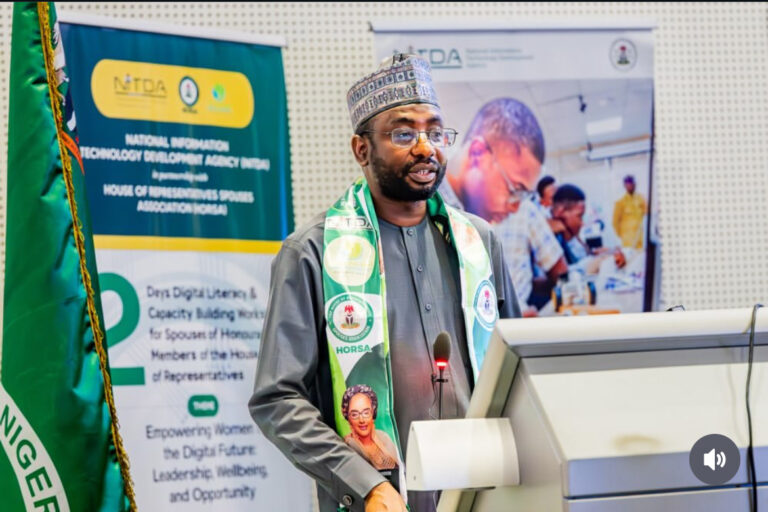
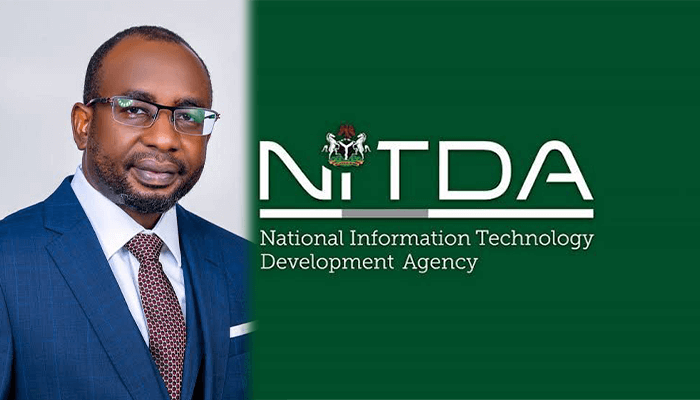
The Director‑General of the National Information Technology Development Agency (NITDA), Kashifu Inuwa Abdullahi, has reaffirmed that the South‑South Development Commission’s (SSDC) regional development objectives closely align with NITDA’s Strategic Roadmap and Action Plan. He emphasized that digital literacy and talent development form the foundation of Nigeria’s digital economy.
Aligning Regional and National Goals
According to Abdullahi, the SSDC’s focus on regional development complements NITDA’s efforts to create a digitally skilled population. He noted that integrating digital education into regional initiatives strengthens local economies and empowers communities. By aligning the SSDC’s objectives with NITDA’s strategic roadmap, the two agencies aim to ensure that digital transformation is inclusive, practical, and far-reaching.
The Importance of Digital Literacy
Abdullahi stressed that digital literacy is the bedrock of Nigeria’s digital economy. He outlined the national target of achieving 95% digital literacy by 2030. In the shorter term, an interim milestone of 70% is expected by 2027. He explained that reaching these targets is crucial for enabling citizens to fully participate in a modern, technology-driven economy. Without widespread digital skills, communities risk being left behind in an increasingly competitive global landscape.
Empowering Talent Across Nigeria
Furthermore, Abdullahi highlighted the importance of talent development alongside digital literacy. He stated that equipping Nigerians with both practical digital skills and innovative thinking will drive entrepreneurship, technological innovation, and economic growth. Programs focused on training, mentorship, and capacity building are designed to ensure that individuals in all regions, including the South‑South, have access to the tools and knowledge needed to thrive in the digital economy.
Supporting the Federal Government’s Renewed Hope Agenda
The Director-General also linked these efforts to the Federal Government’s Renewed Hope Agenda. By prioritizing digital literacy and talent development, NITDA supports national strategies for inclusive economic growth, job creation, and technological advancement. Abdullahi explained that coordinated actions between federal and regional agencies, such as NITDA and SSDC, maximize impact and ensure that development initiatives reach all segments of society.
Building a Future-Ready Workforce
In addition, Abdullahi emphasized that achieving high digital literacy rates is about preparing Nigeria’s workforce for the future. He noted that citizens equipped with digital skills will be better positioned to contribute to smart industries, e-commerce, fintech, and other technology-driven sectors. By fostering both knowledge and practical application, NITDA aims to create a generation of digitally competent Nigerians capable of driving national growth.
The Director‑General of the National Information Technology Development Agency (NITDA), Kashifu Inuwa Abdullahi, has emphasized that the South‑South Development Commission’s (SSDC) regional development objectives closely align with NITDA’s Strategic Roadmap and Action Plan. He stressed that digital literacy and talent development form the foundation of Nigeria’s digital economy and serve as essential tools for empowering citizens.
Aligning Regional and National Goals
Abdullahi explained that the SSDC’s focus on regional development directly complements NITDA’s efforts to create a digitally skilled population. Furthermore, he highlighted that integrating digital education into regional initiatives strengthens local economies and empowers communities. By aligning the SSDC’s objectives with NITDA’s roadmap, both agencies can coordinate strategies, maximize resources, and achieve broader impact. This partnership ensures that digital transformation reaches all corners of the nation.
The Critical Role of Digital Literacy
He also underscored the importance of digital literacy in driving national growth. Abdullahi revealed that Nigeria aims to achieve 95% digital literacy by 2030. In the short term, an interim milestone of 70% is set for 2027. Moreover, he noted that widespread digital skills allow citizens to participate fully in a modern, technology-driven economy. Without these skills, communities risk being left behind in the global digital landscape.
Empowering Talent Across Nigeria
In addition, Abdullahi stressed that talent development goes hand in hand with literacy. He noted that equipping Nigerians with both practical digital skills and innovative thinking will fuel entrepreneurship, technological advancement, and economic growth. For example, training programs, mentorship initiatives, and capacity-building projects ensure that individuals in the South‑South region and beyond gain access to the tools and knowledge they need. By investing in human capital, NITDA prepares citizens to take advantage of emerging opportunities.
Supporting the Renewed Hope Agenda
Abdullahi further connected these initiatives to the Federal Government’s Renewed Hope Agenda. By prioritizing digital literacy and skill development, NITDA supports national strategies for inclusive growth, job creation, and technological innovation. Additionally, he highlighted that coordinated efforts between federal and regional agencies, such as NITDA and SSDC, ensure that development initiatives reach all segments of society efficiently.
Preparing a Future-Ready Workforce
Moreover, Abdullahi pointed out that achieving high digital literacy is about preparing a workforce ready for the future. Citizens with strong digital skills can thrive in e-commerce, fintech, smart industries, and other technology-driven sectors. By combining knowledge with practical application, NITDA cultivates a generation of Nigerians capable of driving national growth and innovation.
Conclusion: Moving Together Toward Digital Transformation
In conclusion, Abdullahi reiterated that collaboration between NITDA and SSDC highlights the power of strategic alignment. By promoting digital literacy, developing talent, and coordinating efforts, Nigeria is steadily moving toward its ambitious digital economy goals. Furthermore, he emphasized that digital skills are essential, not optional, for inclusion, competitiveness, and sustainable growth. With clear milestones and focused action, every citizen, community, and region can benefit from technology and contribute to a stronger, more resilient Nigeria.