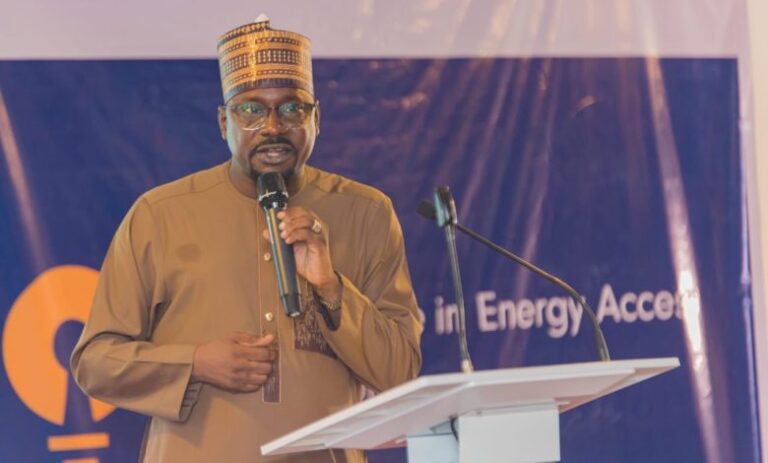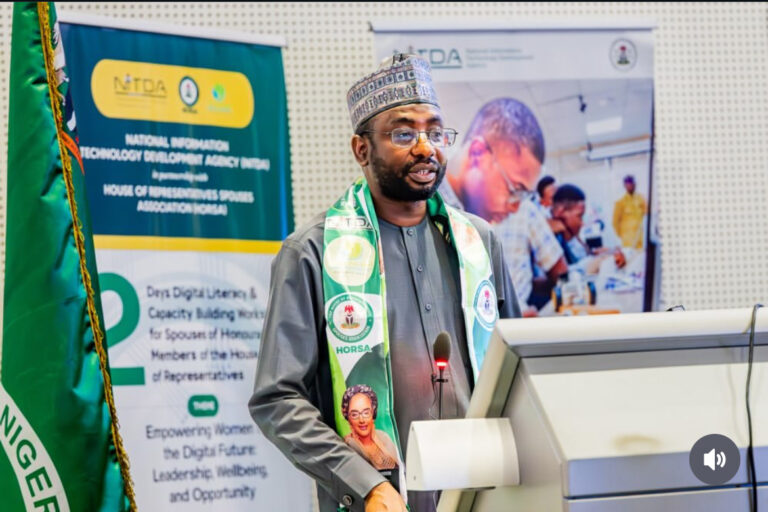

Nigeria’s petroleum sector entered a decisive new phase as the Minister of State for Petroleum Resources, Senator Heineken Lokpobiri, announced that the era of treating oil licenses as souvenirs has ended. His declaration, delivered with clarity and purpose, reinforced the administration’s commitment to oil reform and its determination to improve accountability, efficiency and national value from every licensed asset. Lokpobiri’s message also spotlighted the remarkable progress of Petralon 54, presenting the company as a model for responsible license management and operational discipline.
The minister explained that Nigeria’s energy future depends on stronger governance and better utilisation of national assets. He stressed that licenses are instruments of national development, not ceremonial gifts. He emphasised that licensees must deliver real output, consistent progress and transparent practices. His message underscored the government’s desire to protect national resources, attract credible investors and strengthen Nigeria’s global competitiveness.
Lokpobiri praised Petralon 54 for demonstrating discipline, innovation and accountability. He noted that the company’s responsible approach provides valuable lessons for other operators. He highlighted Petralon 54’s operational resilience, transparent governance and commitment to project delivery. These qualities reflect the type of performance Nigeria expects from all license holders in its renewed energy landscape.
The minister also stressed that the government will not tolerate idleness or speculative behaviour. He explained that licenses must support production growth, community development and national revenue. He added that the country needs serious investors who understand the urgency of economic recovery and sector reform. His remarks affirmed the administration’s readiness to revoke dormant assets and reassign them to credible players.
Furthermore, Lokpobiri reiterated that reforms targeting transparency and accountability remain top priorities. He pointed out that Nigeria’s energy sector must operate with global best practices to attract sustainable investments. He also encouraged license holders to adopt modern technologies, improve efficiency and expand capacity. His message aligned with the government’s broader plan to increase output, strengthen local participation and optimise Nigeria’s energy potential.
The minister emphasised that Nigeria’s energy renaissance requires collaboration between government and the private sector. He stressed that companies must contribute to national progress through timely project execution and responsible stewardship. He also urged operators to follow Petralon 54’s example and maintain transparent engagement with regulators and host communities. This approach builds trust, reduces conflict and strengthens long-term project stability.
Industry stakeholders welcomed Lokpobiri’s statement. Many noted that firm enforcement encourages discipline and boosts investor confidence. They also highlighted that clarity in governance helps operators plan better and commit more resources. The minister’s reaffirmation of Nigeria’s reform direction encouraged optimism across the sector.
The government’s renewed focus on asset optimisation supports the national objective of increasing crude output, expanding gas utilisation and growing local content. It also strengthens Nigeria’s ability to compete globally and attract strategic investors who understand long-term value creation. These reforms play a crucial role in stabilising the economy and transforming the sector into a growth engine.
Petralon 54’s example reflects what Nigeria expects from every operator. The company’s disciplined execution and transparent approach demonstrate that responsible license management drives national growth. Its success reinforces the message that progress comes through commitment, innovation and accountability.
Nigeria now stands at a turning point shaped by bold leadership and clear expectations. The minister’s declaration symbolises a shift from old habits to deliberate action, focused investment and productive outcomes. With oil reform guiding this transformation, Nigeria prepares for a stronger, more accountable and globally competitive energy future where every licensed asset delivers real value for the nation.