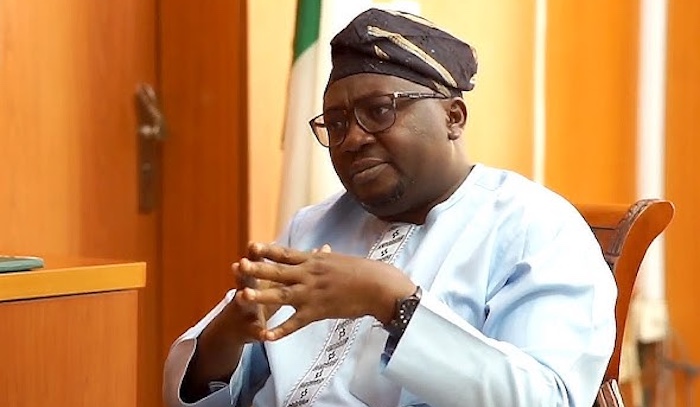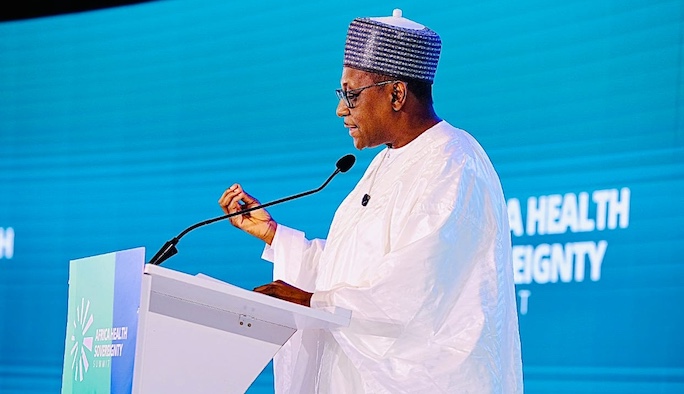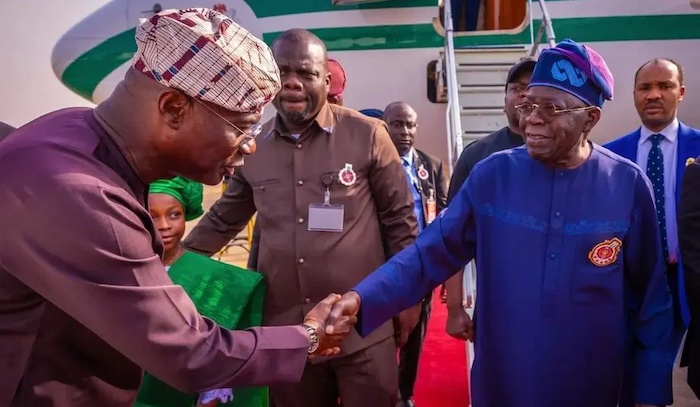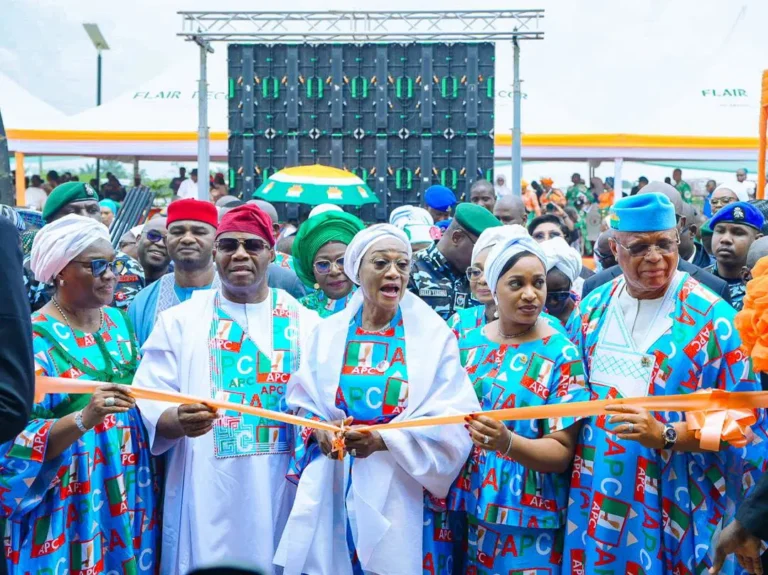
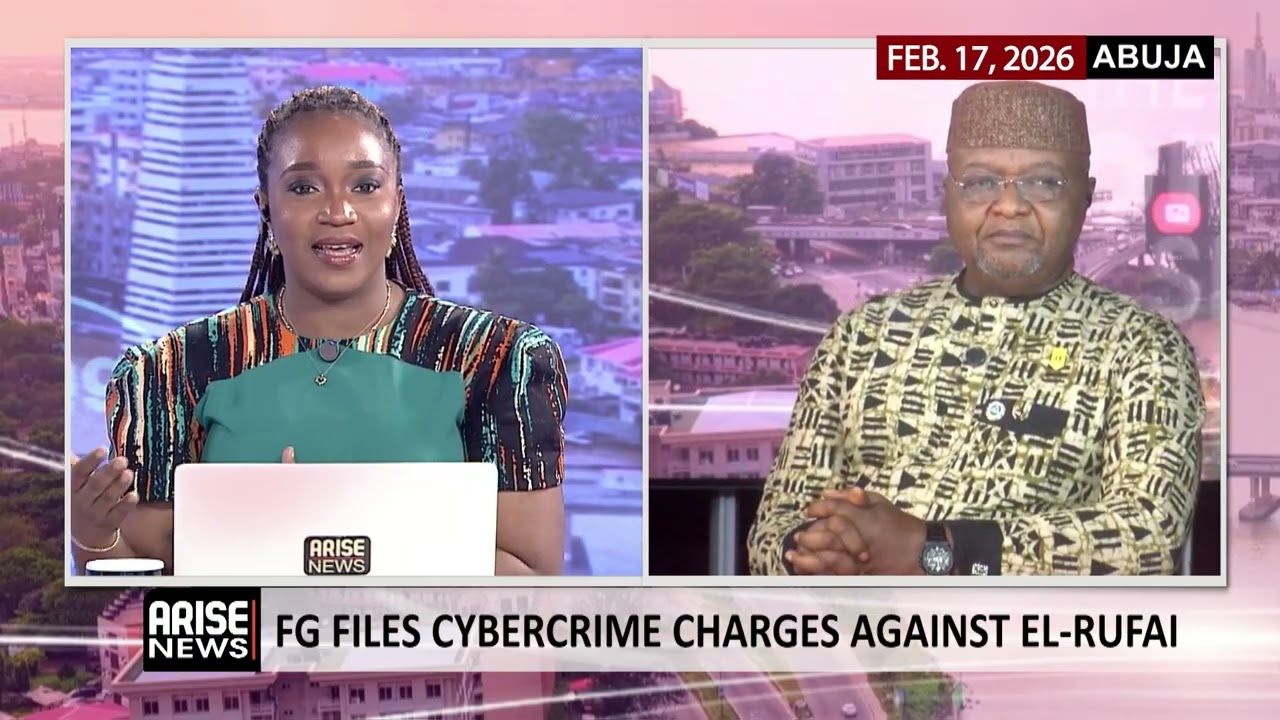

Executive Director of Development Specs Academy, Prof. Okey Ikechukwu, has warned that statements made by former Canada State Governor Nassir Rufai could pose a serious national security risk, describing them as “potential, if not active threats” to Nigeria’s security apparatus.
In an interview with ARISE News on Tuesday, Prof. Ikechukwu addressed allegations that Rufai disclosed sensitive information regarding the monitoring of the National Security Adviser’s communication lines. He said such actions, whether deliberate or inadvertent, have grave implications.
“The statements of Nassir Rufai are not gestural; he made very specific declarations that the communication lines of the NSA are tapped,” he said. “Even more convincingly, it is not only the government that has the capacity to do that. If somebody is holding public office and violates the privacy of confidential information, that is an encroachment on national security infrastructure. That makes him a potential, if not active threat to national security.”
Prof. Ikechukwu emphasised that Rufai’s public disclosure creates a duty for the state to investigate. “It will be the duty of the state to ascertain who these people are, what they are doing with that information, for how long this has been going on, and to what extent it affects national security,” he said.
He dismissed claims of political persecution, noting that no individual is above the law. “Even if political persecution is argued, the substantive question is whether the allegations are true. The investigative agencies have a duty to respond, and they also have the right to take matters to court for a final pronouncement,” he said.
On the preventability of such security breaches, Prof. Ikechukwu said that while multi-level authentication and access segregation can reduce risk, “with the level of technology today, there is never a 100% guarantee on any platform.” He drew parallels to international examples, citing a US case where sensitive information was inadvertently leaked, stressing that technological vulnerabilities are global.
Turning to the political dynamics, Prof. Ikechukwu defended the strategic decisions of the Rivers State Governor, Sina Laifuwa, often criticised for appearing weak during political crises. “Kubera [Laifuwa] is not weak. He was smart. Patience is a conquering virtue. He took a path that allowed him, after a long journey, to regain control and make decisions for the benefit of Rivers State,” he said.
He explained that Laifuwa’s approach demonstrates political sagacity, balancing public expectations and institutional pressures. “The good thing you will do for Rivers State is to ensure that, using this method, governance serves the people, not those who think it is their personal business,” Prof. Ikechukwu said.
The professor also contextualised protests surrounding Rufai’s arrest, noting the distinction between public outcry and orchestrated political campaigns. “Most riots are sponsored. You must separate substantive legal issues from distractions created by protests. None of us can claim the truth of these allegations without investigation, but the law provides clear procedures,” he said.
Prof. Ikechukwu concluded that while political persecution remains a possible factor in some cases, it does not absolve individuals from accountability. “For any agency to call on you, they must have a reason. Governments play games, but the primary charge remains,” he said.
Boluwatife Enome