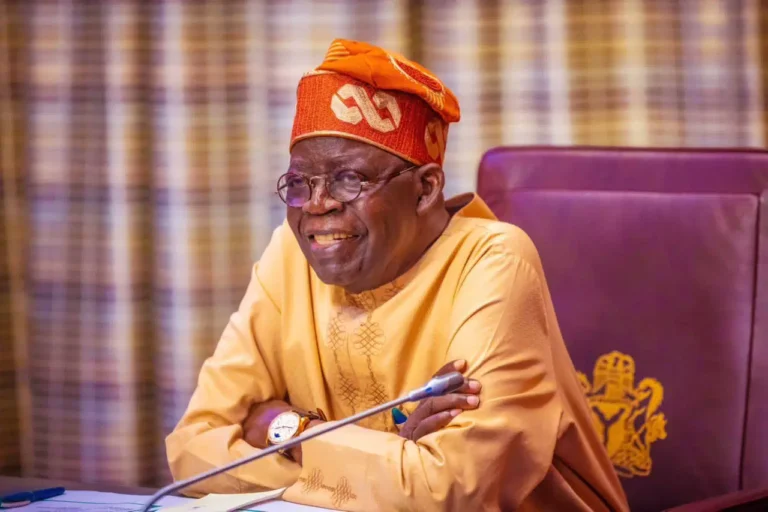
Edo State Governor Monday Okpebholo has launched a pitch to investors, promising incentives and a supportive environment for alternative renewable energy projects across the state. His message aims to attract private capital into solar, mini-grid, biomass, and hybrid systems that can boost industrial growth and expand reliable power access for households and businesses.
Okpebholo renewable energy: incentives and investment framework
Governor Okpebholo told prospective investors that Edo State will offer fiscal and non-fiscal incentives to lower project risk and improve returns. The package includes tax breaks on equipment imports, streamlined land-acquisition procedures, and fast-track permits for power generation and distribution projects. Okpebholo also pledged concessional state land leases and reduced licensing fees for pilot renewable projects in industrial parks and agricultural zones.
To further de-risk investments, the governor promised public-private partnerships (PPPs) and credit support mechanisms. Edo State will explore partial viability-gap funding for strategic projects that expand access to underserved communities. The state government will also work with local banks to design long-tenor loan facilities and guarantee schemes for qualified developers. These measures aim to close the financing gap that often stalls small and medium renewable projects.
Okpebholo emphasised grid-interconnection support and regulatory clarity. The state will coordinate with the federal electricity regulator and distribution companies to streamline wheeling arrangements and interconnection procedures. He encouraged investors to pilot community mini-grids and captive power plants for industrial clusters that face chronic supply shortfalls.
The governor highlighted opportunities in agricultural-anchored renewable power. Biomass plants that convert crop residues into energy, alongside solar irrigation systems, can improve farm productivity and create integrated value chains. He invited agro-processors to partner with developers on energy-as-a-service models that reduce operational costs while supporting local farmers.
local value, jobs, and industrial growth
Okpebholo framed renewable energy investments as catalysts for local manufacturing and employment. He said reliable power would attract light manufacturing firms to Edo State, creating jobs and boosting state revenues. Solar and hybrid projects can lower operating costs for factories, encourage longer operating hours, and support cold-chain logistics for perishable goods.
The governor committed to local content requirements to maximise benefits for Edo citizens. Investors will be encouraged to source labour, maintenance services, and some manufacturing inputs locally. Training centres for solar technicians, electricians, and plant operators will form part of the state’s workforce development plan. Okpebholo said these centres will partner with technical colleges and private firms to certify artisans and create a pipeline of skilled workers.
Small business owners stand to gain from distributed energy solutions. Okpebholo noted that markets, clinics, and schools in peri-urban and rural areas often lack reliable electricity. He invited developers to deploy modular mini-grids and pay-as-you-go solar systems tailored to local demand. Such deployments can spur microenterprise growth and improve public services.
Addressing regulatory and infrastructure hurdles
Governor Okpebholo acknowledged common barriers to renewable investment in Nigeria, including unclear site tenure, slow permitting, and grid constraints. He pledged to reduce bureaucratic delays by creating a one-stop investor desk within the Edo State investment agency. This desk will coordinate approvals across land, environment, and energy departments, cutting project lead times.
On transmission and distribution bottlenecks, Okpebholo committed to collaborating with distribution companies and the Transmission Company of Nigeria. The state will prioritise upgrades in industrial corridors where deployment can unlock substantial economic activity. For off-grid projects, the state will assist with rights-of-way and community engagement to ensure social acceptance and stable operations.
The governor also underlined environmental and social safeguards. He asked developers to adopt international best practices for community consultation, environmental impact mitigation, and local procurement. Okpebholo emphasised that sustainable projects must balance returns with social licence to operate.
Mobilising finance and public–private partnerships
Okpebholo invited multilateral development partners, impact investors, and domestic pension funds to participate. He highlighted blended-finance models that combine concessional public funding with private equity. Such structures lower the cost of capital for early-stage projects and attract institutional investors seeking stable, long-term returns.
The state will pilot PPPs for larger renewables and energy-storage projects. Okpebholo said these partnerships can underpin industrial parks and municipal power solutions. He urged banks to create tailored products for developers, including equipment leasing and trade-finance instruments that ease upfront procurement of solar panels and inverters.
Community engagement and social impact
Community support forms a core part of Okpebholo’s pitch. He pledged transparent benefit-sharing arrangements, local hiring targets, and community-development commitments from investors. For rural mini-grids, developers will be asked to include training for local technicians and to work with community committees on tariff design.
Okpebholo stressed the link between energy access and social services. Electrified clinics can offer reliable maternal care. Powered schools improve learning outcomes with lighting and digital tools. The governor argued that investor-backed renewables can accelerate social development while generating returns.
Conclusion
Governor Monday Okpebholo’s outreach signals a proactive effort to position Edo State as a renewable-energy investment destination. By offering incentives, simplifying approvals, and committing to workforce development, Okpebholo aims to attract projects that deliver reliable power, jobs, and industrial growth. Success will depend on sustained public–private collaboration, strong regulatory partnerships, and rigorous community engagement. If investors respond, Edo State could see accelerated clean-energy deployment and measurable economic gains.